
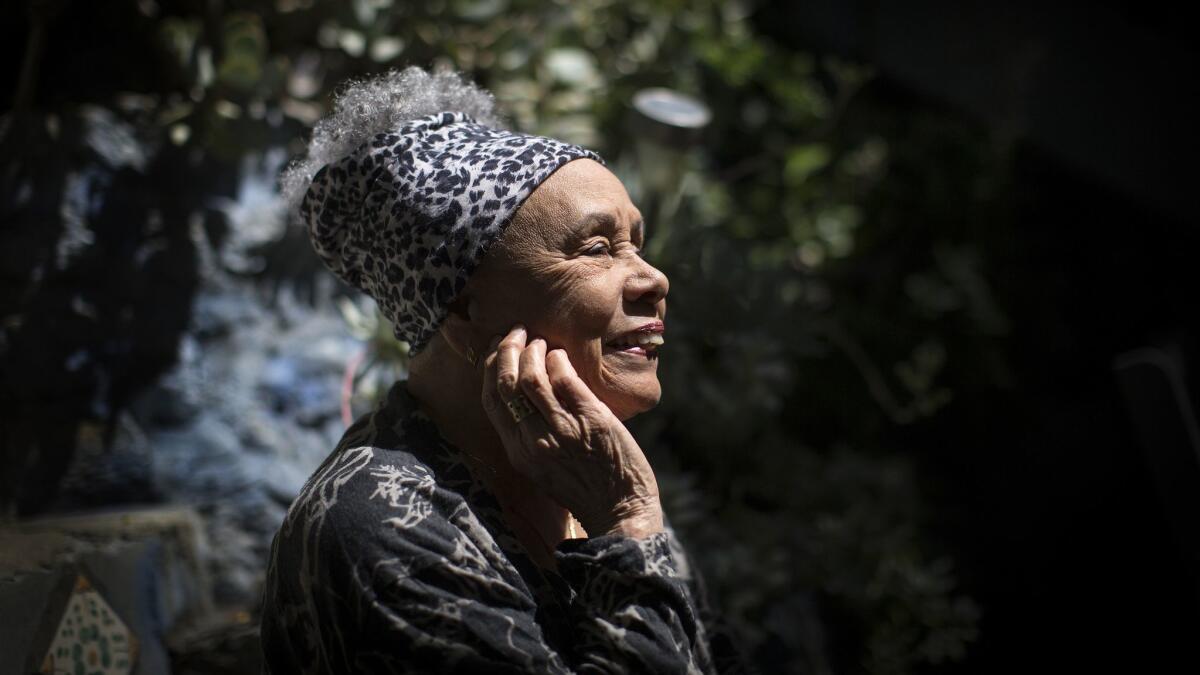
Betye Saar, the Los Angeles artist celebrated for transforming bigoted objects into powerful works of assemblage, has died at 99. She passed away in her sleep a few days shy of her 100th birthday in Los Angeles. Julie Roberts, her long-time gallerist at Roberts Projects, confirmed her passing with her publicist, Hannah Gottlieb-Graham.
Betye Saar was one of the greatest artists of our time,Roberts stated, highlighting her nearly two-decade-long collaboration with Saar and recognizing her transformative impact on contemporary art.
Saar was renowned for sourcing objects from garage sales and flea markets to construct collages and assemblages. These works delved into the painful history of race in America, including elements like slavery and Jim Crow, alongside personal themes such as family and spirituality.
In the 1970s, Saar described her work as recycling, using items with lingering energies to convey new messages. Her art reflected a deep engagement with challenging parts of American history, woven with personal narratives.
As Saar approached her 100th year, her contribution to art continued to be celebrated. She showed a persistent interest in creating new pieces. Art is about making something where there was nothing,
she remarked in an interview.
Her breakthrough came in the 1970s with The Liberation of Aunt Jemima, showcasing a Black mammy figurine armed as a warrior. This piece positioned Saar at the core of the Black Arts Movement and connected her with broader assemblage traditions. Her career further developed with a solo exhibition at the Whitney Museum in New York. The work was later credited by activist Angela Davis as a catalyst for the Black women’s movement.
Saar was born Betye Irene Brown in Los Angeles on July 30, 1926. After her father passed when she was five, her family moved to Pasadena. Although her parents were not artists, her mother encouraged creative craft projects, sowing the seeds for Saar’s future artistic endeavors.
Attending UCLA, she majored in design, and briefly worked in interior decoration, holding informal exhibitions to market their goods. In 1952, she married Richard Saar, with whom she had three daughters: Lezley, Alison, and Tracye. Her daughters have followed in creative pursuits; Lezley and Alison became respected artists.
Saar’s transition to art came serendipitously during a master’s pursuit at Cal State Long Beach. Her exposure to a print workshop and an exhibition by Joseph Cornell at the Pasadena Art Museum redirected her interests toward fine art.
Trips to the Field Museum in Chicago and Haiti, coupled with her interest in occult symbols, informed her thematic focus on African art and the power vested in inert objects. A profound encounter with work by Joseph Cornell, known for his surreal assemblages, also shaped her artistic direction.
Despite working multiple jobs to provide for her family, Saar’s passion for art thrived. Her pieces, often created at the kitchen table, channeled political and personal themes into powerful expressions of resilience and empowerment.
Saar tackled historical and stereotyping imagery, transforming derogatory depictions into symbols of empowerment. A glass bottle featuring a mammy’s image and filled to resemble a Molotov cocktail exemplifies such transformation.
Her influence extended widely across the art community, impacting figures like Houston Conwill, Senga Nengudi, and David Hammons. These artists absorbed Saar’s global outlook and her integration of cultural motifs.
Her works reside in over 80 international museum collections. Remarkable exhibitions in recent years at the Museum of Modern Art in New York and the Prada Foundation in Milan spotlighted her influences and innovations.
In Los Angeles, Saar remained rooted in her artistic practice, crafting assemblages into her 90s. She explored nature at the Huntington Library gardens for a commissioned show, expressing her lifelong passion for plants and the natural world.
Saar’s later works reflected a blend of nostalgia and ancestry, integrating contemporary elements, such as her grandson’s discarded computer parts, showcasing her ability to draw inspiration from everyday objects.
Saar formed the Betye Saar Legacy Group in 2025 to preserve her extensive body of work. A biography by Zoé Whitley will further document her influence when released in 2027.
Survived by her daughters, Lezley, Alison, and Tracye, and her grandchildren, Betye Saar left an indelible mark on the art world, continuing to inspire new generations.