
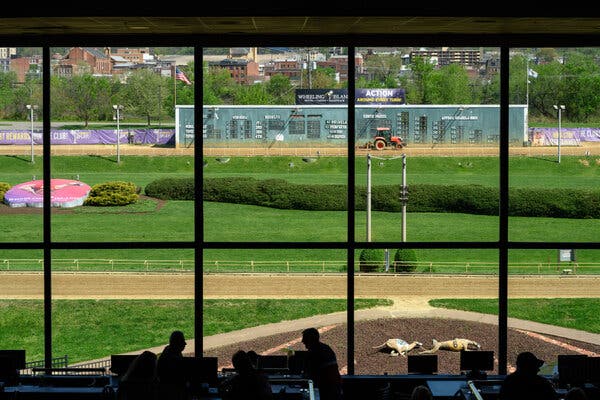
Greyhound racing, once a widely popular sport in the United States, has dwindled to its last refuge in West Virginia. This activity, which captivated millions annually, now faces the prospect of a nationwide ban.
The Wheeling Island Hotel, Casino & Racetrack in Wheeling, W.Va., hosts these races. Greyhound racing used to flourish across 19 states, including Florida, Massachusetts, and California. During its peak in the 1980s and early 1990s, it attracted tens of millions of attendees. Spectators flocked to the tracks, and annual bets amounted to approximately $3.5 billion. It rivaled sports like hockey and tennis in terms of attendance.
Today, only two tracks remain, both situated in West Virginia. The decline in popularity stems from successful campaigns by animal rights groups leading to bans in numerous states. Additionally, the widespread legalization of sports betting has provided gamblers with a variety of alternatives.
“Here comes Spunky!” announced the commentator, breaking the hush at the racetrack. A ball resembling a hare dashed past, and eight greyhounds burst from the starting box, sprinting down the track.
With a pending bill in Congress aiming to outlaw dog racing altogether, the future of this sport seems uncertain. Both advocates and critics agree that its end is approaching.
“I know at some point, it’s going to end,” reflected Ronald Welch, as he sat watching a race in Wheeling. “But still, I’d be heartbroken if it did.”
The shift in public opinion against greyhound racing became evident in the early 2000s. Efforts by advocates like Carey Theil and Christine Dorchak contributed significantly to this change. Their initiatives raised awareness about the treatment of the dogs and pushed for legislative changes.