
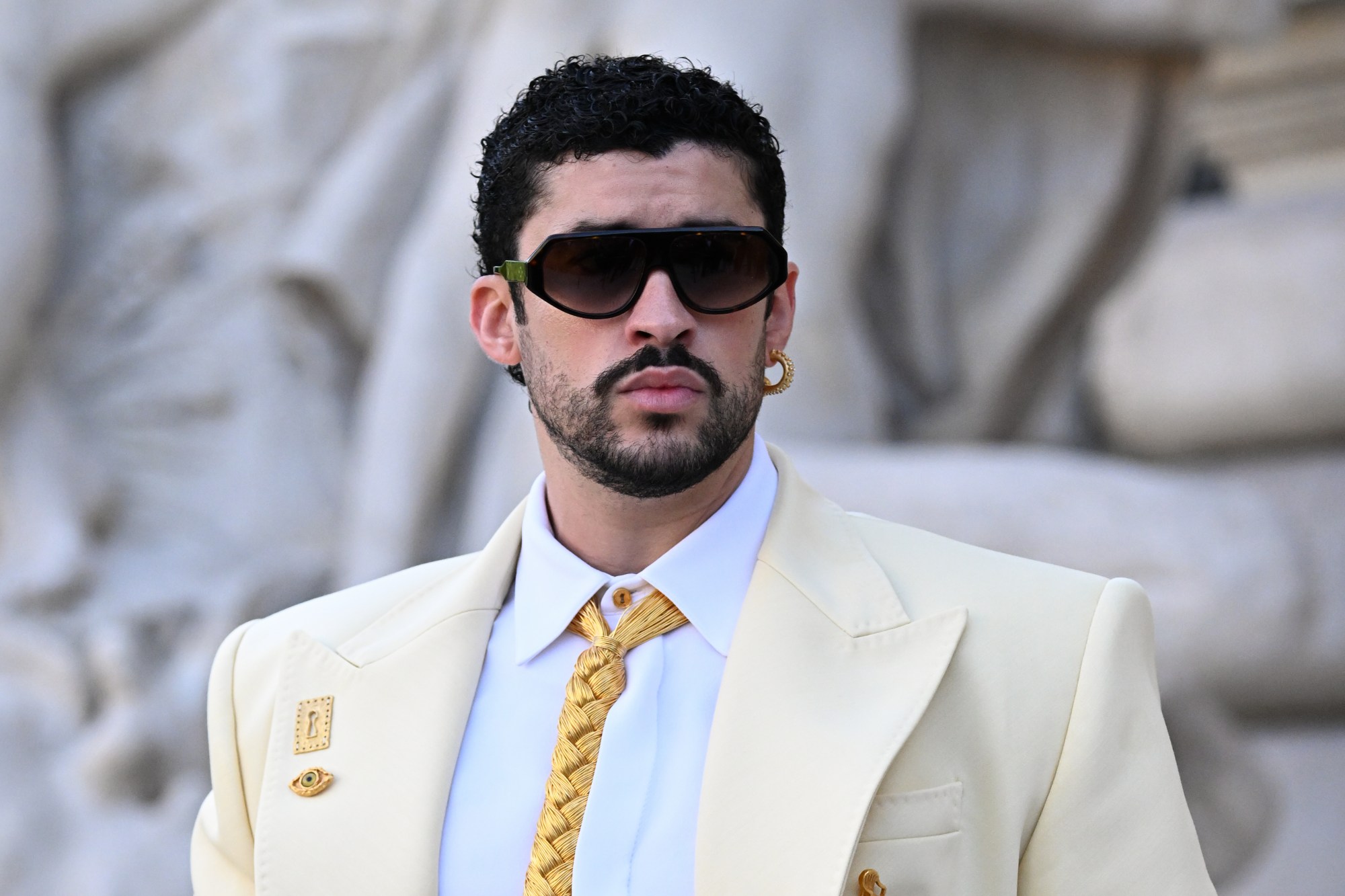
Bad Bunny, a prominent Latin music artist, recently confronted a growing issue with AI-generated music on TikTok. A song titled “Demo 5: Nostalgia” featured an artificial version of his voice, alongside imitated verses from Daddy Yankee and Justin Bieber. He promptly reacted by asking fans enjoying the AI-generated song to leave his WhatsApp group.
Concerns deepen as the nominees for the 27th Annual Latin Grammy Awards are announced, coinciding with the start of National Hispanic Heritage Month. The situation affecting Latin artists is multi-layered.
AI’s Influence on Latin Music
This summer, The Atlantic revealed that AI training datasets contained about 21.2 million tracks, including Bad Bunny’s works. These were used without proper authorization or compensation. Major music companies, Universal Music Group and Sony Music, are suing AI platform Suno for including thousands of their recordings.
The influence extends beyond training datasets to streaming platforms. Deezer reports that nearly 50% of its daily music uploads are AI-generated. These synthetic tracks compete directly with human-created music for playlists, royalties, and listener attention. Latin music, known for its widespread streaming, faces tough competition as AI-generated tracks grow.
Economic Concerns
Latin music reached significant economic milestones, with revenue in the U.S. surpassing $1 billion in 2025. However, a study warns that music creators might lose nearly one-quarter of their income to AI by 2028, amounting to approximately 10 billion euros.
The challenge reflects past issues where Latin music was undervalued during the industry’s “crossover” era. AI threatens to replicate an artist’s voice without needing a contract, separating voices from their owners entirely.
Legislative Actions and Industry Decisions
A bipartisan Congressional coalition reintroduced the NO FAKES Act. This would grant every American federal rights to control AI replicas of their voice and likeness.
In parallel, Suno introduced new models in collaboration with Warner Music Group and BMG, which offer compensation to artists, highlighting a path towards consent and rightful payment.
The Need for Protections
Practical measures include contracts addressing AI training, detailed metadata accompanying recordings, and collective efforts by artists. Latin artists have previously organized to secure fairer streaming revenues and can similarly address AI challenges.
Global reach is crucial since Latin music is widely popular. An AI model developed in one nation can reproduce voices globally, highlighting the importance of broader protective measures.
As National Hispanic Heritage Month unfolds, recognizing Latin music’s global success, it is vital to ensure that celebration aligns with securing protection for artists’ intellectual property. They deserve ownership over their voices in an era where AI technology can mimic them precisely.
José Valentino Ruiz, who is actively engaged in music business academia, underscores the importance of these issues. As a multi-award-winning composer and producer, he emphasizes the necessity for artists to gain rightful compensation and control over their creative outputs.