
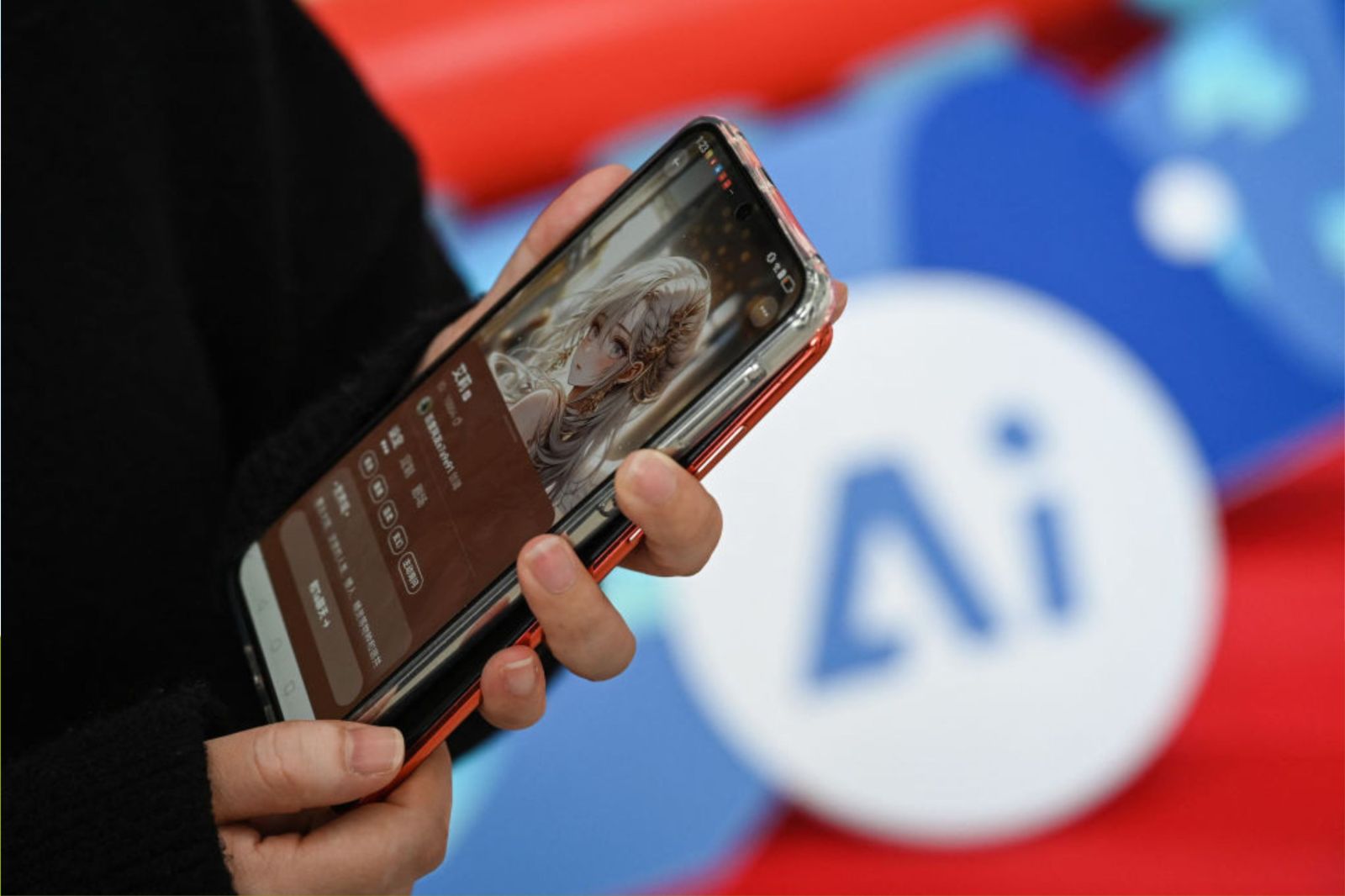
Artificial intelligence is reshaping the way Americans date, sparking concerns from therapists about its potential effects on human connection and intimacy. AI companions, often called ‘AI girlfriends’ or ‘AI partners,’ offer a form of connection that eliminates many emotional risks found in real relationships.
A study by Vantage Point Counseling discovered that 28.16 percent of U.S. adults have experienced at least one romantic relationship with an AI, and more than half reported having some type of relationship with AI systems. Therapists highlight that this trend might be worrying, especially for younger generations.
“AI girlfriends and boyfriends do not set a realistic standard for a healthy relationship in a human being who might be interested,” stated Alexandra Cromer, a licensed professional counselor with Thriveworks.
Why It Matters
The rise of AI romance indicates a deeper shift in how people experience relationships and their expectations. AI companions are designed to be consistently responsive and emotionally available, which can make them feel satisfying initially. However, therapists warn that this may distort expectations for real partners, who have their own needs and limitations.
What To Know
According to therapists, the appeal of AI companions is straightforward. They simulate connection without the unpredictability of human behavior. Dr. Michael Salas, a licensed professional counselor-supervisor, emphasizes that AI partners can feel easier because they provide a sense of connection without fear of rejection.
Unlike human interactions, AI offers immediate responses and constant validation, along with options for customized personality traits. This minimizes the risk of rejection or conflict compared to human relationships.
“The appeal of an AI partner is immediate access and control over your romantic partner; all needs can be met without the requirements of a balanced human relationship,” Cromer explained.
Such relationships are viewed as one-sided, potentially impacting society due to unrealistic standards.
A Shift in Dating Expectations
While AI partners may seem convenient, they can create complications for real-life connections. Dr. Salas notes that this frictionless experience may reshape how individuals approach intimacy. Human relationships typically involve mismatched expectations and emotional discomfort, experiences that are crucial for developing relational skills.
“The long-term risk involves atrophy of relational ability,” said Bryan Driscoll, a generational expert. “AI can erode tolerance for the complexities of real relationships.”
This dynamic could make real-world dating and intimacy appear flawed, especially to those accustomed to AI companionships.
Not Just a Single-Person Trend
Studies suggest AI romance isn’t limited to singles. The Vantage Point study found that people in committed relationships are also exploring AI intimacy, challenging traditional notions of exclusivity. In the study, 53.34 percent of those involved with AI also had successful human relationships.
“Couples now must ask, ‘Are we keeping emotional or sexual intimacy hidden from each other?’” Salas noted.
Teens and AI Relationships
The trend is particularly significant among teens. A poll showed 72 percent of U.S. teens have used AI companions, with about one-third using them for emotional support or romantic conversations. Adolescence is a critical period for learning how to navigate relationships.
“AI can be a perfect listener for teens, always responsive and non-judgmental, but it may limit real social skill development,” Salas explained.
Experts caution that excessive reliance on AI could hinder social skill growth and discernment in human dating partners.
What Happens Next
AI companion platforms continue to gain users engaging in friendships and romance without demanding anything in return.
“Monitor a generation fluent in demand-free relationships struggling with demanding ones,” Driscoll suggested. “Outsourcing connection creates a lonelier society than metrics can show.”