
August 31, 2001: A Critical Day in Intelligence
When President George W. Bush returned from a month-long vacation in Crawford, Texas, CIA Director George Tenet resumed his regular morning briefings with him and Vice President Dick Cheney at the White House. On the first day, Tenet did not mention the arrest of Zacarias Moussaoui. According to the 9/11 Commission, discussions about domestic terrorism were not held with the president in the days following.
Changes Within Saudi Intelligence
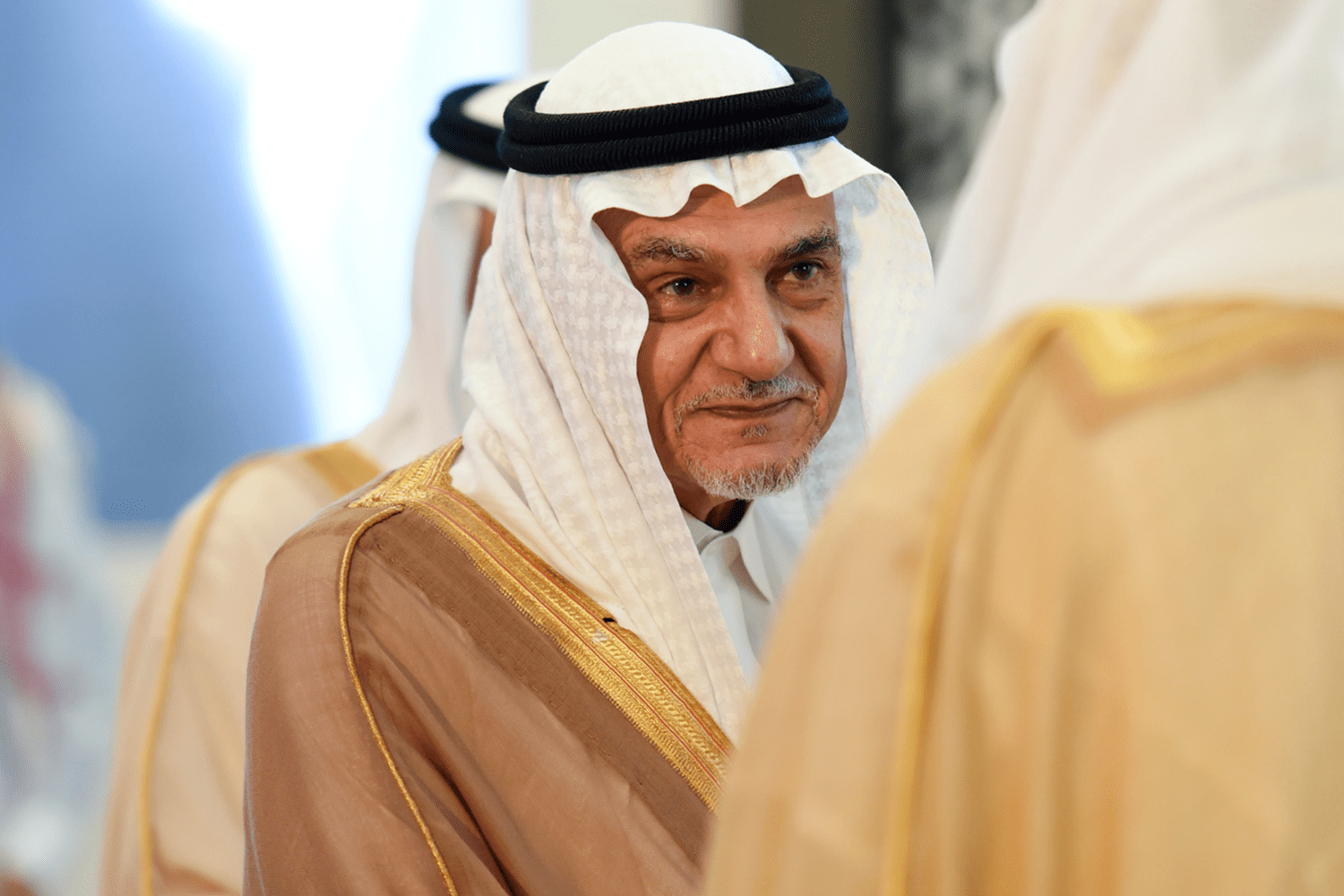
A significant piece of classified news on August 31 was the resignation of Prince Turki bin Faisal al-Saud, head of Saudi Arabia’s external intelligence service, Al Mukhabarat Al A’amah. Prince Turki’s unexpected resignation came as a surprise to the CIA, given his role as head of Saudi intelligence for 23 years. His term had been extended in May, marking the first instance in decades of a senior prince being sidelined.
There was known tension between Prince Turki and Crown Prince Abdullah, who had ruled Saudi Arabia since King Fahd’s stroke in 1995. However, the resignation was not immediately linked to terrorism or dissatisfaction with Prince Turki’s handling of such matters. It seems the tension stemmed from Abdullah’s impatience with Prince Turki’s failure to control Osama bin Laden.
Prince Turki’s Role and Connections
Prince Turki maintained strong ties with the CIA over the years, significantly supporting the Afghan resistance against the Soviet invasion in 1979. Saudi Arabia provided financial backing for Arab fighters, many of whom were young men from Saudi and Gulf states, drawn by the prestige of waging jihad rather than the desire for combat.
Prince Turki was a key interlocutor with Osama bin Laden, who became the leader of the Arab fighters and liaised with Saudi support. Some claim that Prince Turki acted as bin Laden’s patron, forging a pact in the late 1990s where al-Qaeda would refrain from attacking Saudi targets in exchange for governmental support or complacency.
Saudi Cooperation in U.S. Investigations
U.S. intelligence faced obstacles due to Saudi Arabia’s lack of cooperation in investigations concerning attacks on American interests, such as the 1995 Riyadh military compound attack and the 1996 Khobar Towers attack. Prince Turki’s resistance extended to issues of terrorist financing inquiries, notably involving an al-Qaeda financial officer defecting back to Saudi Arabia.
While Pakistan faced admonishment from the United States after 9/11, Saudi Arabia, as a major oil supplier, encountered no such threats.
Note: Bill Clinton-era officials recommended utilizing warlord Ahmed Shah Massoud and the anti-Taliban Northern Alliance to combat terrorism.