
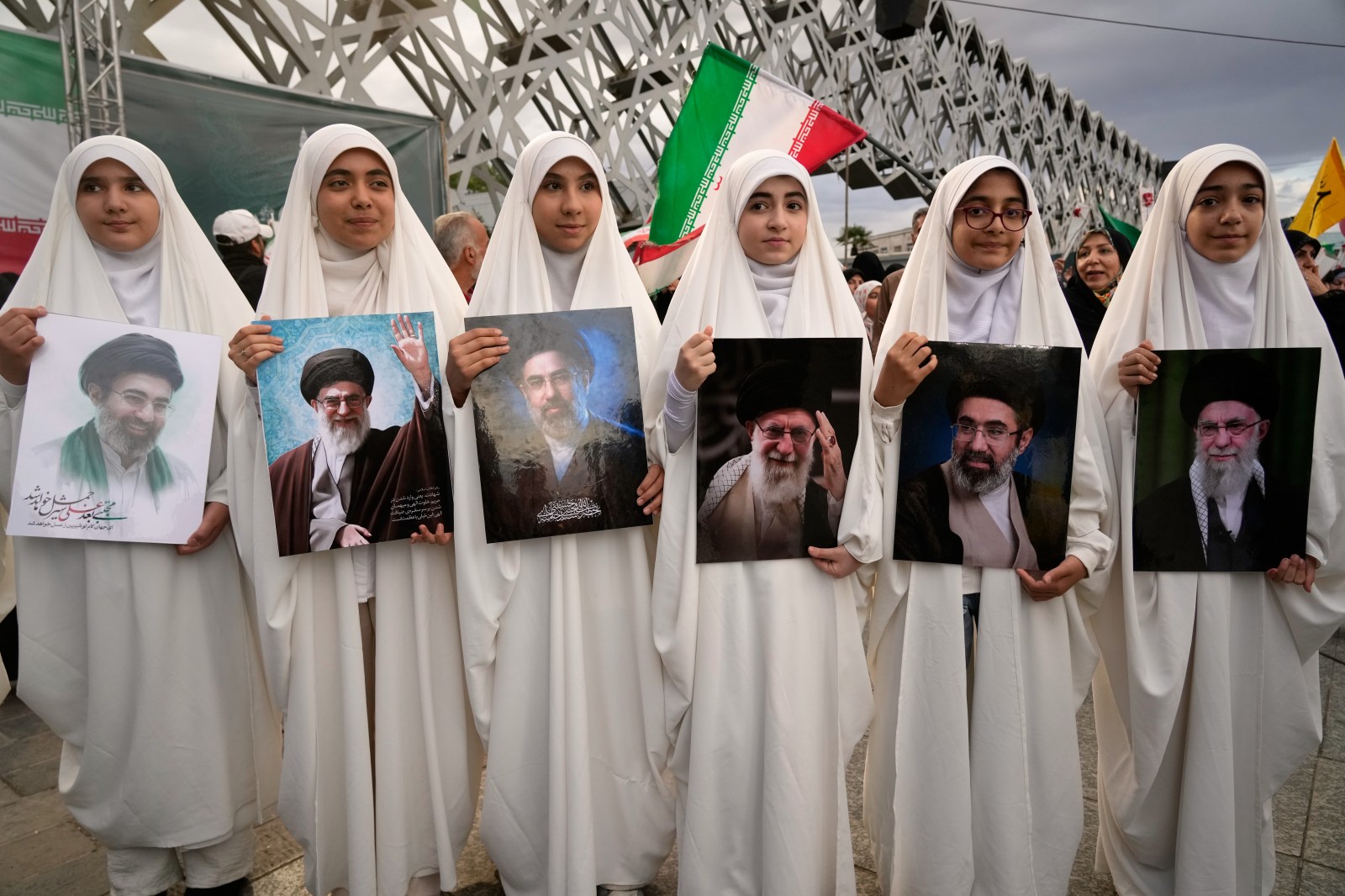
Mojtaba Khamenei, the new supreme leader of Iran, remains absent since the assassination of his father, Grand Ayatollah Ali Khamenei, in a U.S.-Israeli strike. His disappearance raises questions about Iran’s governance and its dealings with the U.S.
Reports describe Mojtaba as disfigured yet minimally injured, complicating Tehran’s political landscape. This situation prompts speculation about whether a traditional leader is necessary.
Understanding the Impact
Newsweek conducted interviews with three experts on Iran to explore the implications of Khamenei’s absence. Opinions varied from Mojtaba being a mythical figure to a political nonentity.
“For many Iranians, given that 90 percent of the population is Shia Muslim, Mojtaba’s absence might not be a problem,” said Peiman Salehi, an analyst in Tehran. Shia beliefs allow for guidance in the absence of a physical leader.
Power Dynamics in Iran
Ali Khamenei’s death has initiated a power struggle in Tehran. Various branches vie for control, but the Islamic Revolutionary Guard Corps (IRGC) appears to be the strongest contender.
Military and intelligence figures attempt to portray Mojtaba as a symbol of spiritual authority to consolidate power. However, he lacks his father’s influence and authority.
A Shifting Negotiation Strategy
Iran’s negotiations over its nuclear program have evolved due to these internal dynamics. The nation exploits its strategic location at the Strait of Hormuz to gain leverage in diplomatic talks.
“Iran’s focus on strait control is more about political pressure than revenue,” said Salehi.
Public Perception and Future Direction
After Ali Khamenei’s assassination, some expected regime change. However, public support surged in response to external aggression.
Political analyst Khosro Isfahani noted, “Many senior officials believe that maintaining the symbol of a supreme leader benefits the regime long term, regardless of popular support.”
With time, the question shifts from Mojtaba’s return to whether Iran needs an active supreme leader at all.
Will Mojtaba Return?
Despite rumors, experts like Salehi and Kreig doubt Mojtaba’s departure from Iran. Concerns about security keep him in seclusion. If Mojtaba cannot break free from his reliance on the IRGC and intelligence leaders, his role will remain symbolic.
This situation benefits those currently steering the Islamic Republic, who prefer a leader with nominal power.