
Much discussion surrounds the internal conflicts within the Democratic Party, particularly between progressives and centrists. However, another critical divide exists between the party’s state lawmakers and federal ones.
Not since 1992, when Bill Clinton, former Governor of Arkansas, was nominated, has the party chosen a candidate whose political background is primarily gubernatorial. Clinton’s role as chair of the Democratic Governors Association (DGA) bolstered his bid, enabling victories in previously uncompetitive states.
Since 2000, Democrats have opted for U.S. senators as their presidential nominees. Yet, some believe the current political climate requires a leader with executive experience akin to a CEO, capable of uniting the nation.
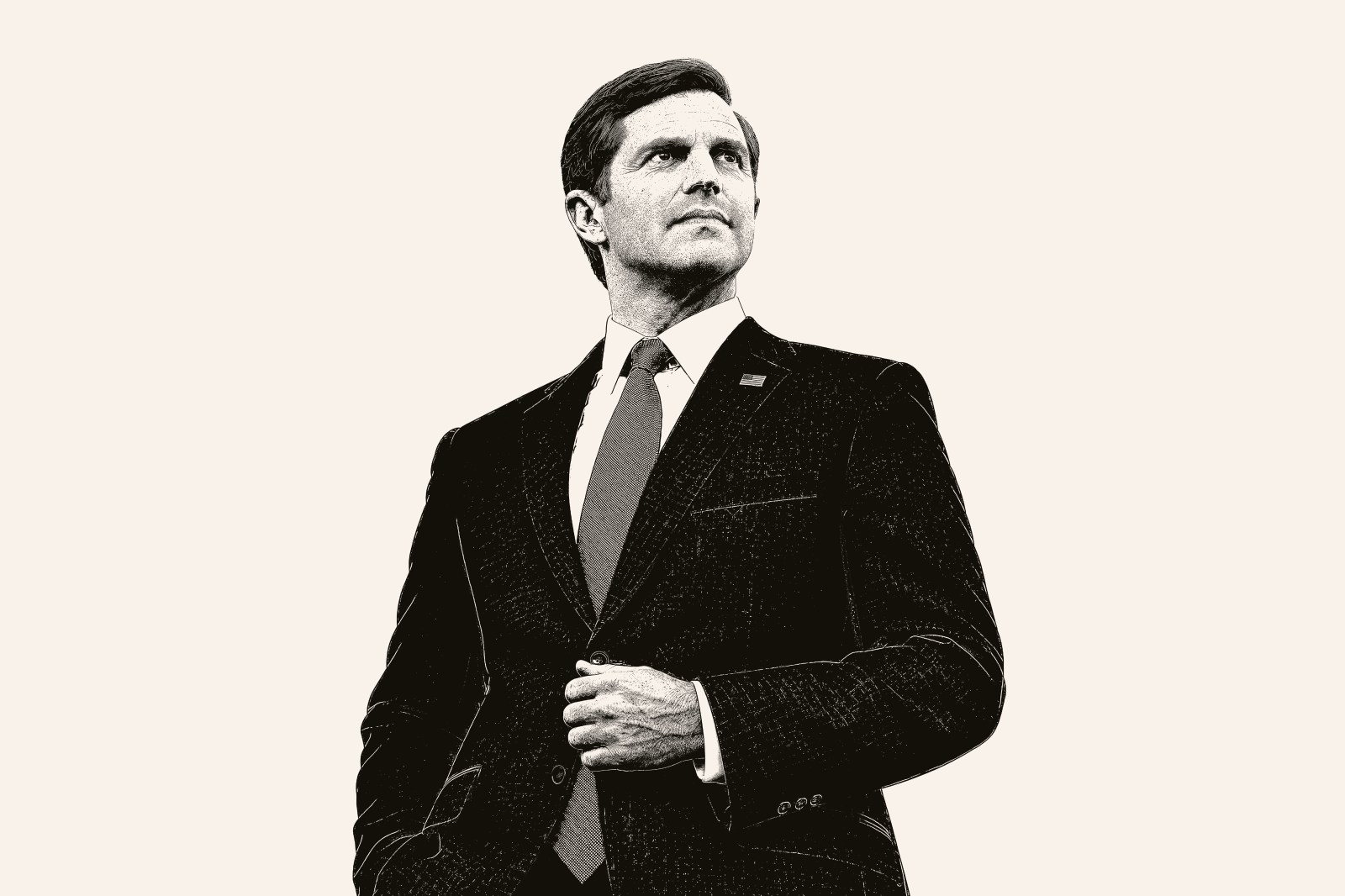
“I think our next nominee and the next president should be a Democratic governor,” said Andy Beshear, Governor of Kentucky and chairman of the DGA, during a Newsweek interview. He emphasized the need for practical governance over legislative politicking.
Beshear is seen as a potential future candidate, boasting a high approval rating in a predominantly Republican state. His book “Go and Do Likewise: How We Heal a Broken Country” highlights how faith influences his political approach.
Beshear focuses on bridging divides by reaching out to communities often overlooked by Democrats. His strategy involves personal engagement and leveraging local media to communicate his accomplishments.
His political approach is rebuffing Trump’s influence while seeking stability and maturity in leadership. This contrasts with the style of Gavin Newsom, who is known for provocative tactics against Trump.
Beshear’s political roots run deep. His father, Steve Beshear, previously served as the state’s governor, offering Andy insights into effective governance. This heritage and his experiences as attorney general have honed Beshear’s skills in navigating complex political landscapes.
His disciplined approach and authentic demeanor resonate with many, enhancing his reputation beyond Kentucky. He’s distinguished himself in the national arena by handling significant issues like health care and education, despite facing opposition from a Republican-dominated state legislature.
Beshear’s role as DGA chair involves extensive fundraising and supporting candidates nationwide. His keen understanding of state governance makes him a vital asset in the upcoming election cycles. This approach is seen as a counterbalance to the central focus on Congress and the presidency.
National recognition requires more than charisma for Beshear. His ability to muster support may hinge on grassroots achievements and tangible results. Drawing comparisons to historical figures like Jimmy Carter rather than Bill Clinton, Beshear embodies a different political archetype—one that’s notably anti-Trump.
The current political climate is dynamic, prioritizing leadership qualities like honesty, decision-making, and vision. While today’s media landscape favors quick, impactful messaging, Beshear believes long-term goals and governance should take precedence.
Ultimately, Beshear champions a pragmatic approach involving experienced executives, which could shape the future Democratic cabinet and reinforce the American dream’s viability. Whether or not he becomes the next presidential nominee, his influence on the party’s direction is significant.