
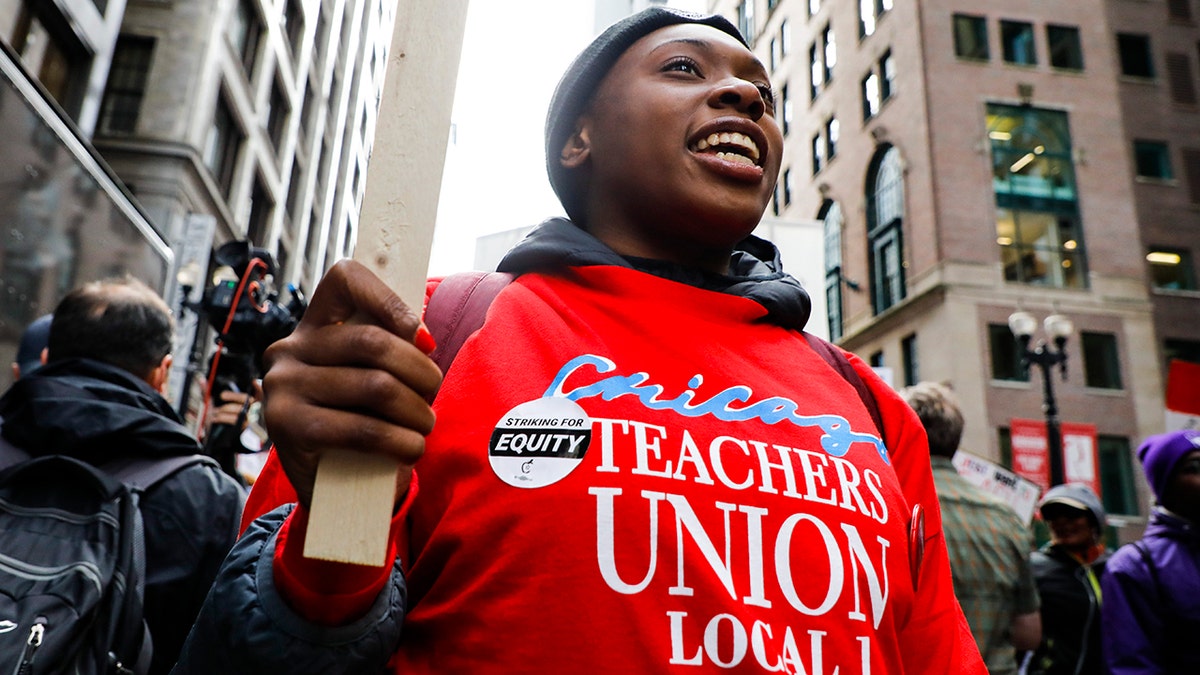
As summer concludes, Americans anticipate the first notable celebration before autumn arrives: Labor Day. This day honors the dedication and effort of American workers, whose contributions uphold our quality of life. However, union leaders often use this occasion to further their agenda by pushing for increased powers from the government rather than focusing on the workers they represent.
Union Influence on Labor Day
Unions today exert significant influence, leveraging government backing to maintain power. They are not required to earn individual workers’ support due to federal laws that enforce a one-size-fits-all representation model. In 24 states without right-to-work laws, unions can legally compel workers to support them financially, threatening non-compliant employees with termination.
Even some proponents of unionism acknowledge that union power may harm certain workers.
Earlier, Robert Reich, a former Secretary of Labor, expressed concern over legal changes that emphasized voluntary unionism, reducing the need for coercion. Similarly, Kamala Harris, as California’s attorney general, admitted that union contracts sometimes adversely affect workers’ economic interests.
Union Policies and Worker Rights
Union members recognize coercion. A Rasmussen Media Group poll revealed that 79% of union members believe workers should not be forced to join or pay dues to a union for employment. Yet, union leaders continue to advocate for legislation that expands their authority, like the ‘PRO Act.’
This Act aims to nullify right-to-work laws in many states, imposing mandatory union dues and collective bargaining on numerous individuals. Additionally, it proposes the ‘card check’ system, which would replace secret ballots by allowing union representatives to secure ‘authorization cards’ through direct worker interaction, often involving undue pressure.
The PRO Act also complicates the process for workers to hold ‘decertification’ votes, effectively trapping them into continued union dues payments, regardless of their opposition to such representation.
Shift from Voluntarism
Historically, early union leaders advocated for membership based on voluntarism, emphasizing the importance of freedom of choice. Samuel Gompers, a pivotal figure in the American union movement, emphasized the principle of voluntarism as fundamental to human liberty.
Today, union leadership’s pursuits often conflict with these foundational ideals, as they seek to undermine worker freedoms for political gain. This Labor Day, reflecting on the true meaning of being ‘pro-worker’ involves rejecting union leaders’ rhetoric that diminishes workers’ choice. Remember, Labor Day should celebrate the workers, not serve as a platform for union agendas.