
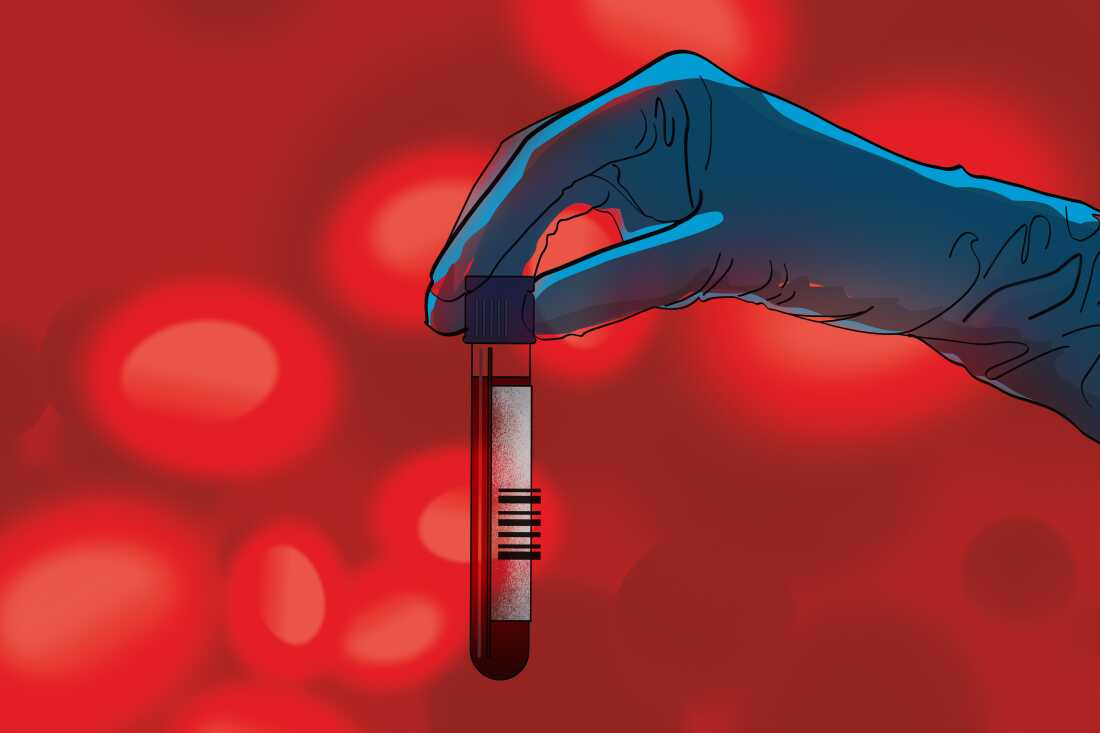
New blood tests can identify indicators of up to 50 cancer types in a single sample. While these tests don’t formally diagnose cancer, they guide doctors on where to focus further investigation.
Anand Purohit/Moment RF/Getty Images
The potential of these blood tests, currently being reviewed by federal regulators, could transform cancer care and survival rates. The Food and Drug Administration (FDA) is evaluating the Galleri blood test as a breakthrough device. This test has the capability to detect various cancer types simultaneously. If approved by the FDA, this test could soon become widely accessible.
Experts suggest that these tests could significantly improve cancer screening efforts, making them easier, more thorough, and accessible to a larger population. Presently, the U.S. focuses on screening for five cancers: breast, colon, cervical, prostate, and lung, each involving distinct procedures. The Galleri test detects markers for up to 50 cancers within one blood sample.
Alongside Galleri, Cancerguard by Exact Sciences functions as a multi-cancer early detection (MCED) test and is available in the U.S. under a special designation. Full FDA approval is necessary for Medicare and other insurances to cover these tests.
Megan Hall, vice president of medical affairs for Grail, emphasizes a significant shift in cancer screening strategies. Instead of targeting individual cancers, these tests allow simultaneous screening for multiple cancer types.
The testing industry and cancer advocates are pushing for government insurance to cover these tests upon FDA’s comprehensive approval. Congress had set in motion reimbursements for MCED testing under Medicare starting in 2028. Currently, the Galleri test retails for $950, while Cancerguard costs $659.
Grail is conducting extensive studies on the Galleri test with over 50s in the UK and North America. While the NHS study in the UK did not achieve its primary target of reducing Stage 3 and 4 cancer incidence, ongoing research shows promising signs. The studies have shown a 26% reduction in Stage IV cancers, including pancreatic and liver cancer, during the third year.
Grail advocates using the Galleri test alongside existing screening tests, not as replacements. Legislative measures support this approach, ensuring complementary usage.
For those concerned about cancer, simply knowing more cancers can be screened could enhance early detection and treatment avenues. Oncologist Arif Kamal from the American Cancer Society highlights the competition in the blood test market, aiming for accuracy and reliability. Simplified tests could improve access to routine screening.
The technology’s feasibility and robustness propel rapid advancements. Blood tests, whether for individual or multiple cancers, aim to detect early signals in the bloodstream. UCLA lung-cancer specialist Jonathan Goldman echoes this sentiment, explaining that liquid biopsies are now integral in monitoring patients and tailoring treatments.
Goldman acknowledges that future tests could predict cancer likelihood, although we’re not there yet. These tests could detect the earliest signals of potential cancerous developments. Galleri, as advised by medical experts, doesn’t perform diagnoses but informs about potential cancer sources.
Identifying cancer before it progresses to advanced stages significantly influences patient outcomes. Improvements in blood tests, alongside modern treatment developments, make early-stage detection crucial. The treatment landscape has evolved, especially for Stage 3 cancers, increasing survival chances.