
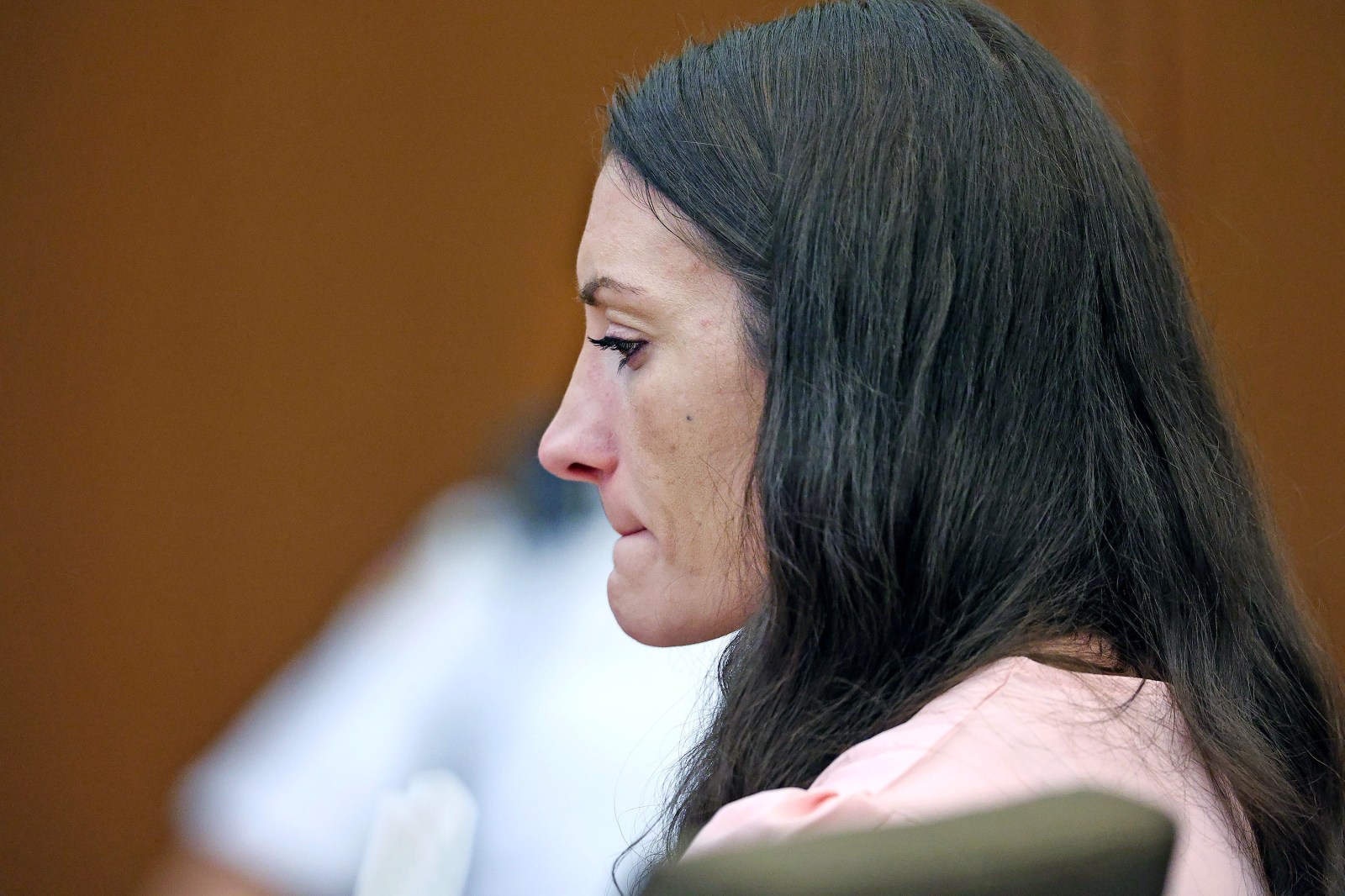
The murder trial of Lindsay Clancy introduced new drama as the defense sought to present an unusual witness. Jurors received fresh insights into Clancy’s declining mental health. These developments underscored the divide between prosecutors and the defense regarding her understanding in the weeks before she killed her three children. Upcoming expert disputes will address whether she was legally accountable or suffering from postpartum psychosis.
Nurse Practioner Testifies About Bipolar Indicators
Rebecca Jollotta, a psychiatric nurse practitioner, provided significant testimony. She noted symptoms consistent with bipolar disorder and a ‘mixed manic state.’ Clancy exhibited pressured speech, racing thoughts, insomnia, contradictory emotional symptoms, and emotional numbness. Jollotta considered her ‘clinically acute, unstable,’ advising a higher Seroquel dose and enrollment in a hospitalization program, particularly the perinatal program in Rhode Island. She frequently emphasized these recommendations. This testimony reinforces the defense’s position that her symptoms were severe yet inadequately treated before the tragic incident.
No Evidence of Postpartum Psychosis, Says Jollotta
Prosecutors capitalized on Jollotta’s statement about postpartum psychosis. She did not believe Clancy was experiencing it. Jollotta explained that Clancy’s thinking remained ‘linear and goal-directed,’ without hallucinations or voices during crucial appointments. Though postpartum psychosis may not always involve voices, Jollotta saw no signs of it in Clancy during the period she treated her.
Discussion of Book on Intrusive Thoughts
A book called Good Moms Have Scary Thoughts became a key trial element. Recommended on December 1 by Jollotta, it was found post-murder in Clancy’s kitchen. The book addresses intrusive thoughts and postpartum mental health. It suggests these thoughts, common among new mothers, do not signal intent to harm. The defense believes it indicates the seriousness of Clancy’s symptoms. Prosecutors argue the book shows her ability to articulate emotions and seek help.
MyChart Messages Reveal Psychological Descent
Jurors reviewed MyChart messages that detailed Clancy’s unraveling mental state. These messages between Clancy and Jollotta documented her battles with insomnia, anxiety, medication side effects, and intrusive thoughts. Clancy expressed fears of Ativan dependence and felt unheard. She described emotional numbness and troublesome intrusive thoughts. Clancy denied being suicidal, but later messages portrayed concerning emotional states.
Defense Wants to Call TikTok Therapist
The defense attempted to introduce Emily Thorndike, a former McLean therapist. Thorndike criticized portrayals of the facility where Clancy stayed, labeling it inadequate. Reddington argued she could underline McLean’s staffing issues during Clancy’s stay. Prosecutor Buckingham contested this, noting Thorndike’s biases and public comments against the case.
Detailed Developments and Next Steps
Jollotta’s testimony further covered Clancy’s treatment, her medication concerns, and medical decision-making by providers. Clancy was reportedly searching extensively for drug information, attempting to manage her medication. The defense underscored testimonies and records indicating deteriorating mental health due to drugs. Yet, Jollotta emphasized patient autonomy over medication decisions. Another call noted in December from Patrick Clancy to the clinic seeking admission to McLean without going through the emergency department highlighted the severity of her condition. This trial continues to unfold with more psychiatric testimonies. The jury must decide on Clancy’s legal responsibility considering her mental state at the time of the crimes.