
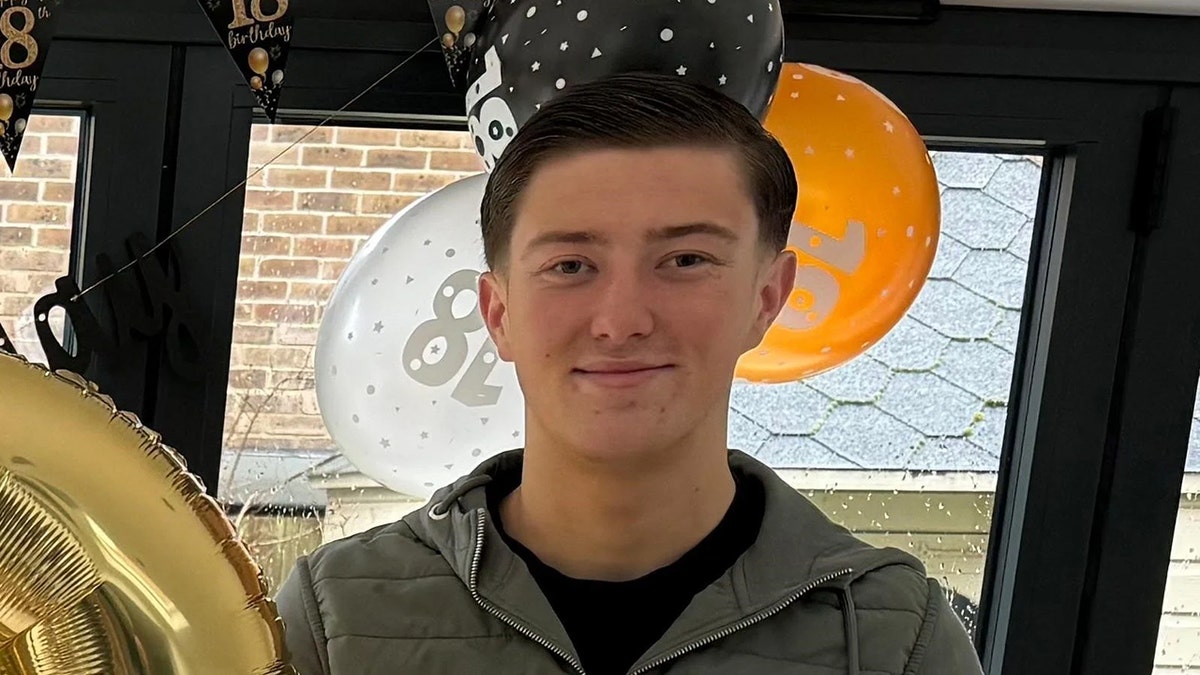
A young Briton, Henry Nowak, bled to death while in handcuffs after being detained by police on suspicion of making racial remarks. The accusation was later revealed to be false, sparking a dispute between U.S. and British officials.
Incident Details
Henry Nowak, a student, was returning home from playing soccer when he encountered Vickrum Digwa in Southampton. Digwa, a British Sikh man, accused Nowak of racism after a confrontation. In response, police handcuffed Nowak, ignoring his claims of being stabbed. Nowak died in custody, and Digwa was later found guilty of murder with a ceremonial kirpan knife.
International Reactions
The U.S. State Department issued a stern response, saying the incident highlights issues of ideological conditioning and biased policing. Vice President JD Vance expressed concerns about the state of western civilization, linking the event to broader issues of immigration and cultural tensions.
Statements and Apologies
Amid public outrage, Downing Street urged unity and respect for the grieving Nowak family. Police later apologized for their handling of the situation, acknowledging their failure to assist Nowak adequately. Temporary Deputy Chief Constable Robert France expressed regret over Nowak’s death.
Legal and Social Implications
Digwa was sentenced to life in prison, and his mother was convicted of aiding in covering up the crime. The case has brought attention to British legislation on knife carrying and speech laws, with critics arguing that these measures distracted police from addressing Nowak’s injuries.
Public and Media Responses
The case has sparked widespread debate, with figures like Sen. Eric Schmitt and Elon Musk weighing in. Schmitt criticized the prioritization of online speech regulation over public safety. Musk used social media to question the media’s silence about the tragedy, comparing it to past incidents of racial tension.