
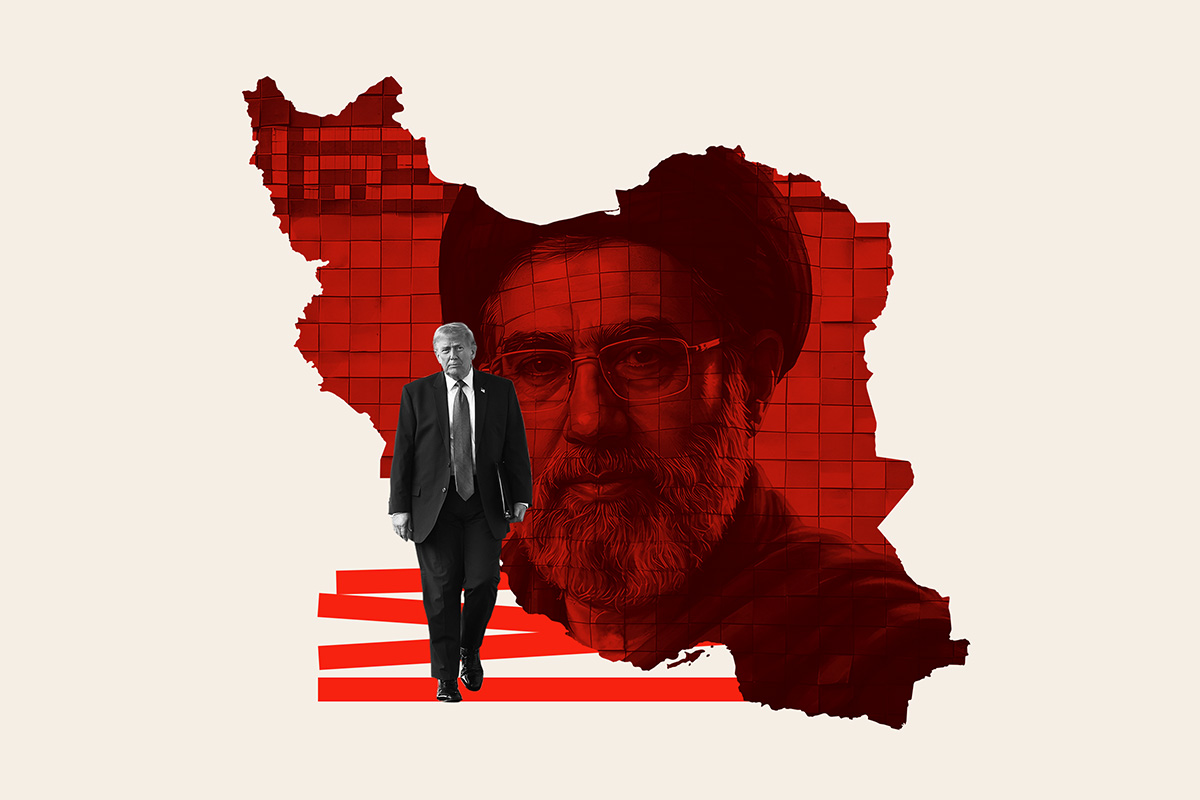
Nearly three months into the ongoing conflict between the U.S.-Israel alliance and Iran, Tehran remains steadfast despite increasing pressure from the Trump administration. Iran’s leadership appears to be using the situation to strengthen its position rather than concede to demands imposed by the U.S. and its allies.
Despite the loss of key figures and significant military assets, Iranian officials are uniting domestically. They have maintained a tough stance, seeking to end the conflict on their terms. The strategic approach has involved Iran asserting control over the Strait of Hormuz and engaging regional neighbors like the United Arab Emirates, causing tension among Gulf nations and affecting global consumers.
“Iran clearly prepared for this war and so far, it has outstrategized the Trump administration,” said Barbara Slavin, a distinguished fellow at the Stimson Center.
The U.S. president recently halted a planned military operation against Iran following consultations with leaders from Saudi Arabia, the UAE, and Qatar. Trump suggested that a deal could prevent Iran from obtaining nuclear weapon capabilities, though Iran has consistently denied pursuing such arms.
Despite threats of further U.S. military action, Iranian military leaders continue to pledge robust responses to any escalation. Political figures within Iran also echo this determination, sustaining demands like the withdrawal of U.S. forces from the region and reparations for the war’s damage.
Iran has also taken steps toward asserting control over the Strait of Hormuz, implementing a new toll-collecting authority. While this strategy intensifies economic challenges for Iran, internal support for the government remains strong, and signs of significant opposition or defections are minimal.
The U.S. administration’s objectives remain somewhat unclear, as President Trump oscillates in his approach. There is a push for stricter terms than those outlined in the 2015 Joint Comprehensive Plan of Action but achieving consensus with Iran remains elusive.
Meanwhile, the U.S. domestic response to the war presents challenges for Trump, with substantial public opposition and diminishing approval ratings. The economic and political ramifications of the conflict are compounded by its impact on global oil and gas markets.
“This war almost certainly will be remembered in history as a major blunder by Trump,” said Paul Pillar, a veteran of the CIA, reflecting on the potential for Iran to pursue nuclear capabilities as a reaction to aggression it perceived from the U.S. and Israel.
As the situation unfolds, it is clear that the ongoing stalemate carries significant stakes for both nations involved.