
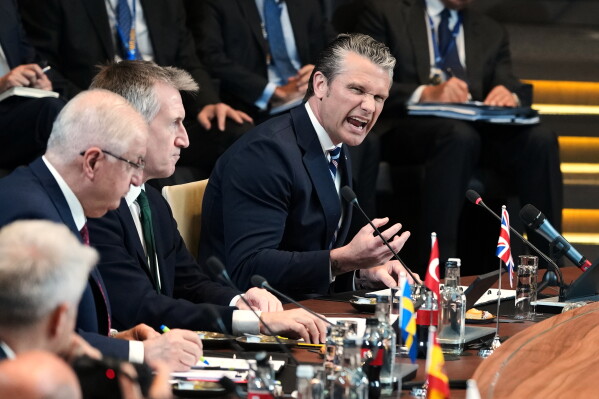
In Brussels, discussions are tense following U.S. Defense Secretary Pete Hegseth’s criticism of NATO allies. He announced a Pentagon review assessing their security measures and preparedness. European leaders are evaluating their progress on security priorities.
European Security Priorities
Hegseth’s critique isn’t new for the Europeans. They are aware of the need to increase defense spending and invest in military equipment. The war in Ukraine has provided lessons on military preparedness. The focus is on acquiring drones, air defense systems, and long-range weapons.
During a recent summit, European nations considered utilizing joint EU funds, reducing bureaucratic hurdles, and enhancing “military mobility” for deploying troops and equipment. Upgrading ports and airports is also a priority. They emphasize improving defense readiness by 2030, considering Russia’s aggressive actions and potential threats.
NATO and EU Dynamics
Roughly two-thirds of EU members are part of NATO. Tensions within NATO have grown, especially with the unpredictability during the Trump administration. Hegseth’s review is the latest development, adding to this strain.
U.S. Criticism of NATO
Hegseth blasted NATO in a speech, calling it a “paper-tiger” and criticized allies for not supporting U.S. military actions in Iran. He expressed dissatisfaction with NATO’s focus on gender equity, climate change, and migration policies. He indicated that the U.S. might adjust its military presence in Europe based on the review’s outcomes.
Rachel Ellehuus from the Royal United Services Institute argued this approach jeopardizes NATO solidarity. Details about the review remain ambiguous. Hegseth aims for NATO to prioritize European-led defense efforts.
Ongoing Financial Commitments
NATO Secretary-General Mark Rutte highlighted the financial efforts of European allies and Canada. Defense spending is projected to increase significantly, with over $90 billion more allocated by 2025. This money should translate into more military resources.
There have been efforts to align military budgets with the U.S. and provide aid to Ukraine. European and Canadian investments in air defense systems contribute to this goal.
Challenges and Perspectives
Despite significant investments, there’s potential for further commitment, such as offering unrestricted access for U.S. military operations. Ellehuus emphasized that military decisions should be based on strategic assessments, not as leverage or punishment.
The tension between investing in defense and maintaining strong NATO alliances continues to shape discussions among European and North American leaders.