
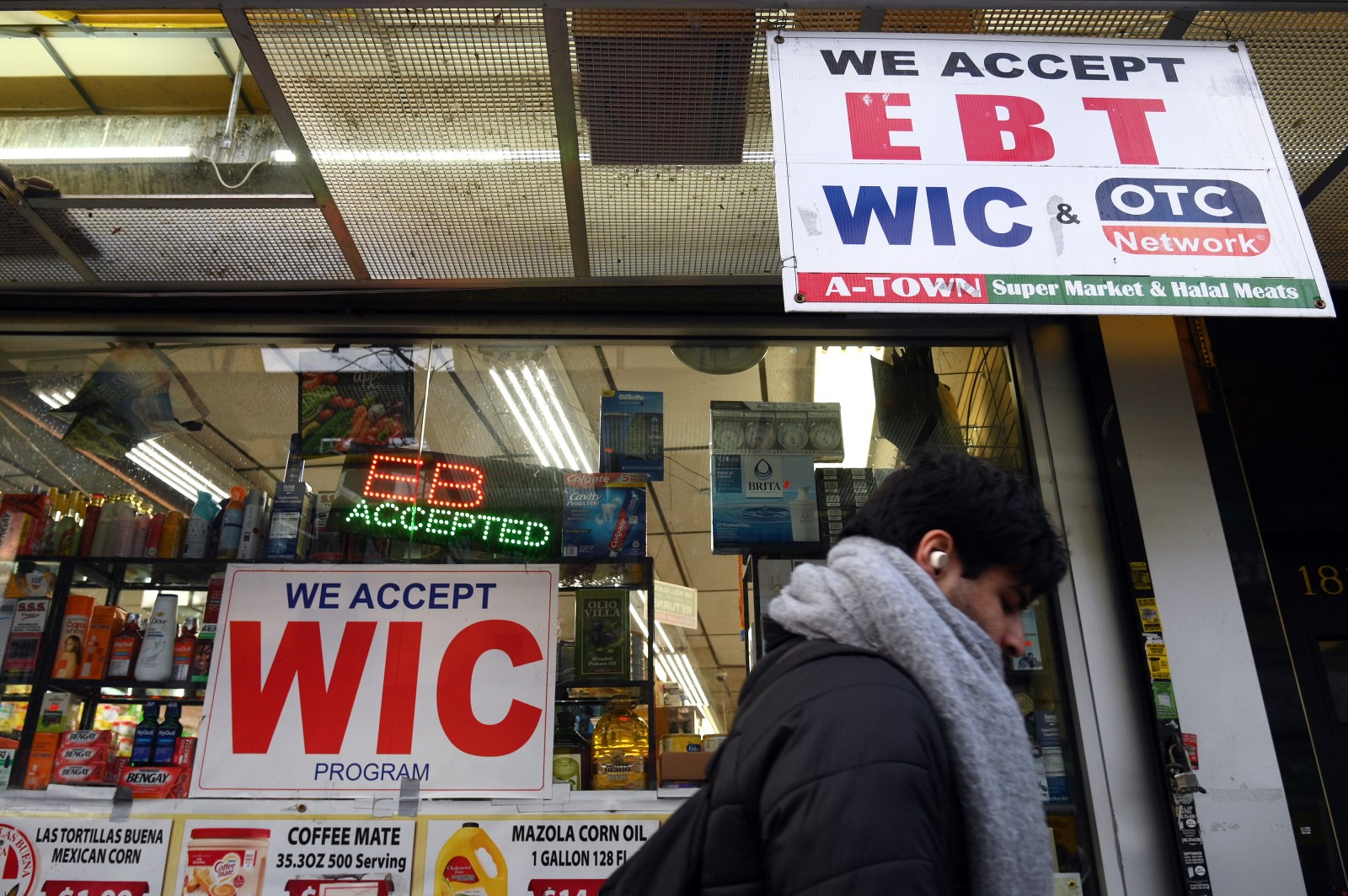
A new House bill, known as the Fresh Bucks for Fresh Produce Act, aims to provide eligible households with an extra $60 per month for fruits and vegetables. Introduced on July 2 by Democratic Representative Pramila Jayapal and other cosponsors, the bill proposes a pilot program by the U.S. Department of Agriculture (USDA) to support lower-income families in purchasing fresh produce.
Significance of the Bill
Supplemental Nutrition Assistance Program (SNAP) has caused significant debate in Congress, with Republicans and Democrats clashing over its future scale. The bill argues that high grocery prices and limited access to healthier options like fresh fruits and vegetables put these items out of reach for families in food-insecure communities. The additional funding aims to address this gap.
Details of the Fresh Bucks Proposal
The legislation seeks to establish a federal pilot, in which eligible households would receive $60 monthly to spend exclusively on qualifying fruits and vegetables. While SNAP participants would automatically benefit, the proposal extends beyond existing SNAP recipients. Households earning 80% or less of their area’s median income would qualify, ensuring many SNAP families meet the income requirements effortlessly.
States are instructed to develop opt-in or automatic enrollment systems to reduce paperwork for SNAP recipients. The recurring $60 payment, meant as a supplement to SNAP benefits, is likely to be processed through the Electronic Benefits Transfer (EBT) system. Eligible foods include fresh, frozen, or dried fruits and vegetables without added fat, sugar, or salt, plus herbs and edible plant starts.
Implementation Strategy
Rather than instant nationwide implementation, the bill proposes launching a pilot via grants to states. The USDA must ensure geographic diversity in selecting participating states, with at least one state from each major region. States are encouraged to focus on food-insecure communities.
Data on food security, fruit and vegetable consumption, and other outcomes will be collected to evaluate the program’s impact on nutrition and access to healthy foods. Drew Powers, of Powers Financial Group, highlights that while fresh produce is costlier than processed foods, such a program could greatly aid families in need.
Provisions of the Bill
The legislation notes that SNAP recipients automatically meet income requirements, advising states to reduce additional paperwork. Monthly payments of $60 would be ongoing for qualifying households, targeting low-income communities.
Recovery of access—following recent SNAP changes—is a key focus, as mentioned by Kevin Thompson of 9i Capital Group. It emphasizes restoration rather than expansion, with certain control measures.
Next Steps
The Fresh Bucks for Fresh Produce Act awaits review by the House Agriculture Committee. If passed by Congress, it would initiate a five-year pilot program, not a permanent benefit. The USDA is expected to report initial findings to Congress within 12 months and a final report after five years.
Michael Ryan, finance expert, states pilot programs are more likely to succeed than permanent measures, given federal budget concerns surrounding nutrition spending. The bill faces challenges due to debates on expanding SNAP’s role.