
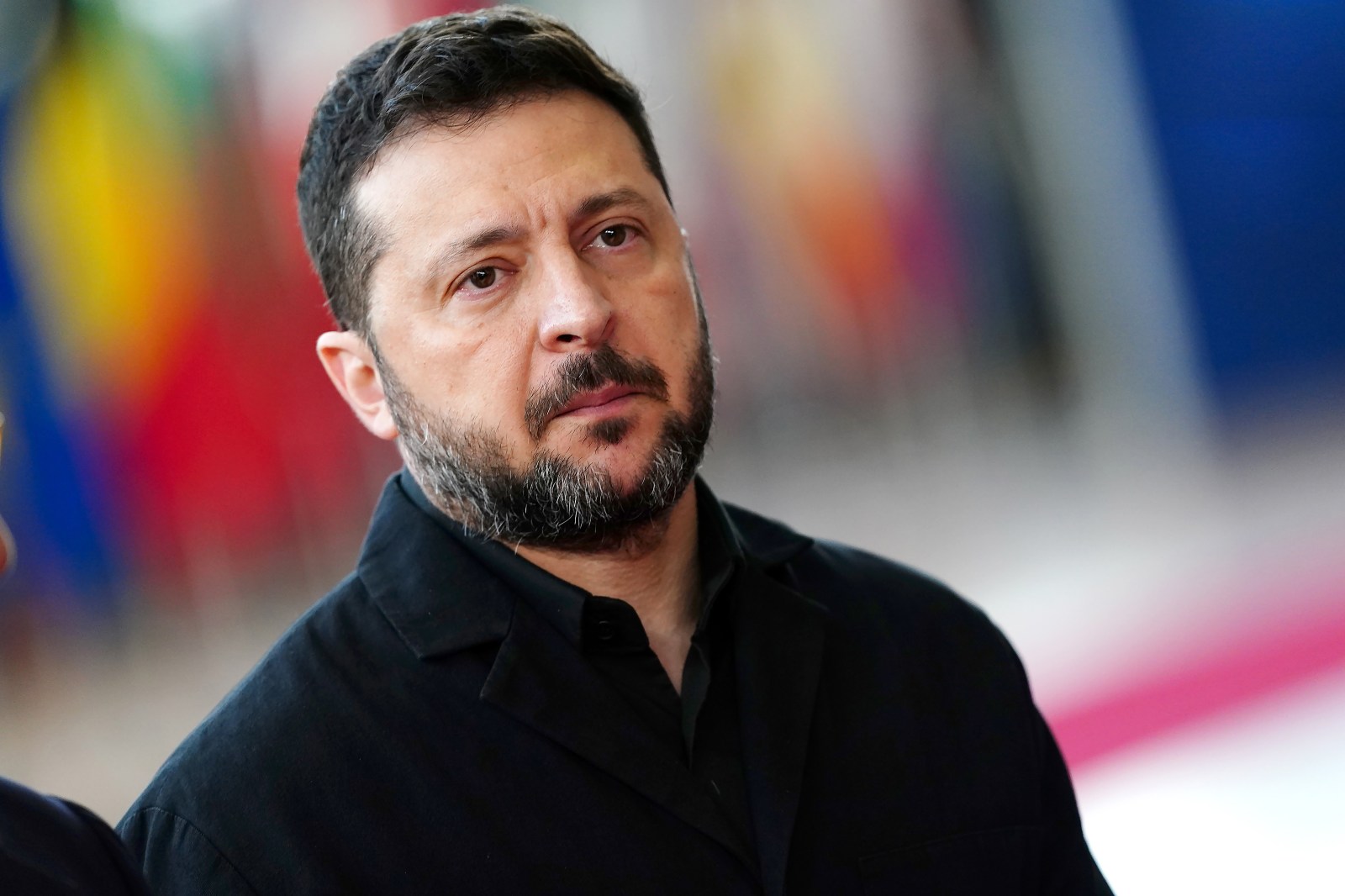
U.S. Secretary of State Marco Rubio has challenged Ukrainian President Volodymyr Zelensky’s assertion that there had been a pause in intelligence sharing between the U.S. and Ukraine. Zelensky claimed the interruption lasted three days before being resolved. Rubio countered this point, stating on Monday that no such pause had occurred.
The relationship between Washington and Kyiv has become strained, highlighted by these differing accounts. Zelensky expressed discontent with former President Trump’s policies, which included easing sanctions on Russian diesel exports and reportedly limiting the capabilities of the Starlink satellite network essential for Ukraine’s air defense.
Orysia Lutsevych, head of the Ukraine Forum at Chatham House, indicated uncertainty about whether the rift is permanent. The blame placed by Trump on Kyiv for the prolonged conflict suggests deeper issues.
In an NBC’s Meet the Press interview, Zelensky described how critical U.S. intelligence crucial for early warning of Russian missile attacks had been withheld temporarily. Rubio, while in Uzbekistan, criticized Zelensky’s statement and emphasized the need to focus on ending the war. Treasury Secretary Scott Bessent separately advised caution in discussing potential disruptions in intelligence sharing.
Ukrainian reliance on U.S. intelligence is significant, though European allies also contribute. Ukrainian sources reported a lack of warning from allies for two recent missile attacks. Lutsevych pointed out Ukraine’s desire to restore robust intelligence collaborations with the U.S. and that European partners might now fill certain intelligence gaps.
“Zelensky is right to expose blackmail and pressure when other means to avoid it are exhausted,” Lutsevych added.
Another contentious issue is the reported restriction on Ukraine’s use of the Starlink satellite network. Ukraine accused the U.S. of limiting Starlink’s effectiveness, which impacted their ability to fend off Russian assaults. John Hardie from the Foundation for Defense of Democracies called this decision ‘inexcusable,’ especially amidst ongoing attacks on Ukrainian infrastructure.
Despite restored connectivity, officials mentioned ongoing limitations at higher speeds. Allegations suggest the restrictions came from the White House, but Trump’s administration denied deliberate slowing measures.
Trump’s decision to ease sanctions on Russian diesel exports has also soured U.S.-Ukraine relations. Although intended to manage gas prices, the move surprised both Moscow and Kyiv. Zelensky initially observed a truce but resumed strikes due to Russian non-compliance, leading to heightened tensions with Trump.
The Ukrainian President criticized the energy truce, citing continued Russian aggression. Ukraine then targeted crucial energy facilities, which Trump labeled as reckless, accusing Ukraine of elevating global oil prices. This stance upset U.S. lawmakers who saw the sanction relaxations as undermining efforts to curb Russian war revenues.
Alexander Kirk from Urgewald condemned the ease in sanctions, highlighting the law passed to limit Russian energy profits. Urgewald data shows that EU payments for Russian LNG have been substantial, and Trump’s waiver allowed continued trade.
Lutsevych remarked on the significance of the timing of these disputes as Russia intensifies attacks on Ukrainian cities. Trump’s approach could potentially embolden Putin, increasing civilian casualties.
The underlying risk of a diplomatic rupture between Kyiv and Washington has existed since Trump’s presidency began, given his apparent favor towards stronger relations with Russia, conflicting with support for Ukraine amid ongoing hostilities.