
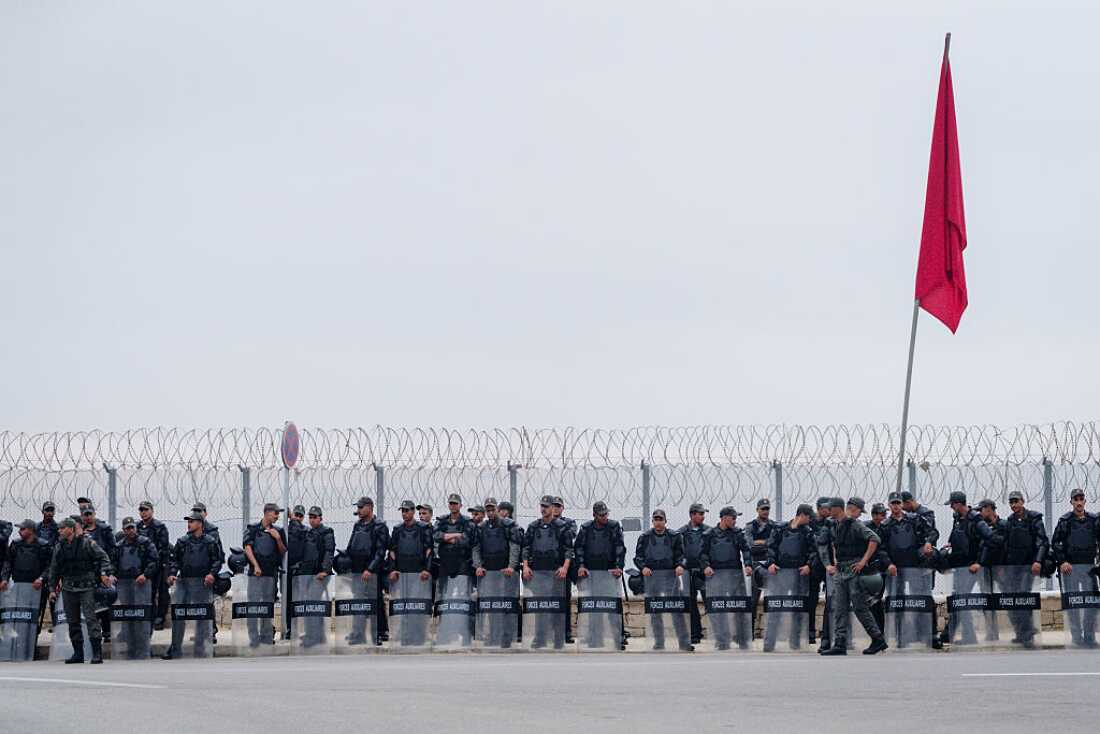
On August 15, 2026, a significant police and army presence stood ready at the Morocco-Spain border in Fnideq, Morocco. This followed the mass border crossing on July 30, which resulted in the deaths of over 140 migrants. Spain aims to address the situation by returning most of the approximately 70,000 migrants back to Morocco. However, many remain, including numerous unaccompanied minors. Local responses vary from assistance with food and shelter to forming neighborhood watch groups.
Tensions rose in Ceuta, a Spanish enclave, during the mass crossing. Residents like Juanjo Coronado and Teresa Pardo express feelings of helplessness and fear. Grocery store shortages are common, with limits on essential items like bread. Despite challenges, residents want a return to normalcy and believe recovery is possible.
“We feel a sense of helplessness. Shortages in supermarkets, limits on bread. We are cautious about safety,” Teresa Pardo said.
According to José Bautista, an investigative journalist, Morocco’s strategy often involves creating migration crises to negotiate concessions with Spain. This pattern manifested on July 30. Moroccan law enforcement, previously absent, later stopped another mass crossing, demonstrating their control over the border.
Ceuta and Melilla, Spanish territories, have complex histories predating Morocco’s independence in 1956. Despite Morocco’s territorial claims, these areas are culturally diverse and remain part of Spain. Over the years, Spain has fortified borders to control migration. Bautista describes Ceuta and Melilla as testing grounds for global migration control, with a lucrative border security industry profiting from the situation.
The July 30 event differed due to social media activity and increased prior travel to the region. Soraya Aybar Laafou, a political scientist, observed growing interest on platforms like Facebook and Discord. Despite warnings, Moroccan law enforcement did not intervene until later, allowing thousands to cross. Aybar highlighted motivations ranging from necessity to adventure in the decision to cross.
Journalist Barbara Ayuso reports from Ceuta, describing a dire situation with migrants enduring harsh conditions, including lack of water and high temperatures. Figures suggest at least 8,000 migrants remain, contrasting with official reports. Sexual abuse allegations have also surfaced, heightening tensions among Ceuta residents who protest the government’s response.
Residents like Juanjo Coronado criticize Spanish leadership for inadequate action. However, the government navigates a complex relationship with Morocco, aiming to avoid antagonism. The situation in Ceuta remains challenging, with ongoing humanitarian concerns.
“I’m singling out Pedro Sánchez or [Fernando] Grande-Marlaska for their inaction,” Juanjo Coronado stated.
The role of the Pegasus spyware program adds intrigue to the situation. Veteran journalist Ignacio Cembrero links the border crossing to an investigation on Morocco’s use of Pegasus, suggesting retribution against Spain. The spyware, developed by the Israeli NSO Group, allegedly targeted high-profile figures, including those in Spain and France. Cembrero posits Morocco’s dislike for the negative attention as a catalyst for allowing the crossing, though this remains speculative.
Riccardo Fabiani from the International Crisis Group offers a cautious view, asserting the complexity in attributing blame to a single actor. The wider geopolitical context and official alliances complicate the issue further. Answers remain elusive, as those involved manage remaining questions and look to move forward.