
Stock markets in the U.S. experienced a decline on Tuesday as a drop in major technology stocks, which began in Asia, extended to Wall Street. Concerns over possible interest rate hikes by the end of the year contributed to the sell-off. The S&P 500 fell by 0.9% despite having gained in 11 out of the last 12 weeks, primarily driven by technology stocks. Meanwhile, the Dow Jones Industrial Average, less impacted by technology, edged down 8 points, a decrease of less than 0.1% as of 10:42 a.m. Eastern time. The Nasdaq composite saw a 1.4% drop.
Asian markets also faced a downturn with South Korea’s Kospi experiencing a notable 10% decline. European stocks were not immune to the fall. Among the hardest hit were technology stocks, including those that had recently seen significant valuation increases due to excitement around artificial intelligence. The impact of their high valuations exerted a drag on the broader market. Within the S&P 500, more stocks rose than fell, but technology companies overshadowed gains. Micron Technology dropped 9.7%, while Nvidia lost 2.6%. Samsung Electronics fell by 12.3% in South Korea.
SpaceX fluctuated but was up 1.8% in the latest trading session. The company, which focuses on space exploration and artificial intelligence, had a strong market entrance recently. Plans are underway to raise funds through a bond offering to support AI development.
Expectations for higher interest rates have tempered the enthusiasm around AI-related stocks. Speculation of these rate hikes stems from potential economic growth constraints. In the S&P 500, tech stocks alone have surged 27% over the last three months and 18% within the year. In Asia, South Korea’s Kospi nearly doubled in 2026.
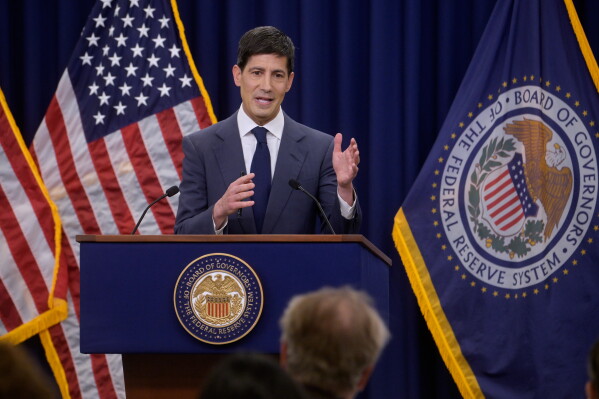
Many tech firms have been heavily investing in AI. The prospect of increased interest rates might deter future spending, impacting investment valuations. The Federal Reserve hints at raising interest rates at least once this year. Wall Street predicts an 85% probability of such a rate hike, up from 60% the previous week.
The 10-year Treasury yield decreased to 4.49% from 4.51% on Monday, while the 2-year Treasury yield shifted to 4.20% from 4.24%. Bond yields remain elevated due to lingering inflation fears. Inflation had been escalating throughout the year. Despite earlier signs of easing, tariffs stalled progress, exacerbated by the U.S. conflict with Iran which elevated energy costs, including gasoline prices. Increased energy expenses also raise shipping costs, impacting businesses and consumers alike.
A recent report highlighted a 4.2% increase in consumer prices in May compared to the previous year, marking the highest level in three years. Another report, preferred by the Fed, is expected to show a rise in inflation to 4.1% in May. Oil prices have moderated amid U.S.-Iran peace negotiations. U.S. crude dropped 1.7% to $72.60 per barrel, while Brent crude, the international benchmark, also fell 1.7% to $76.54 per barrel. Prices remain elevated from about $70 per barrel before the conflict.
AP Senior Producer Mayuko Ono from Tokyo contributed to this report.