
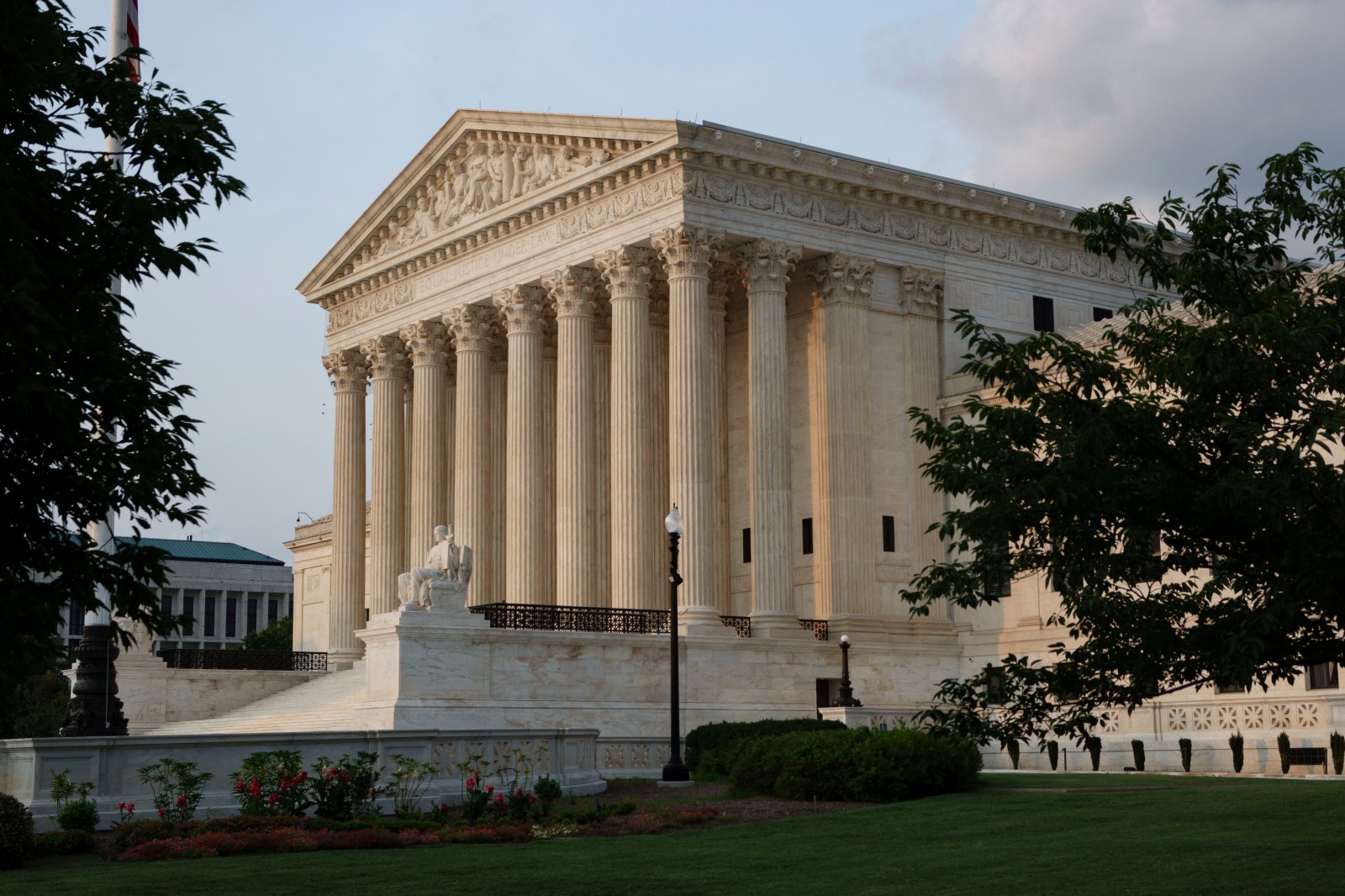
The U.S. Supreme Court is evaluating whether President Trump’s administration can enforce new mail ballot rules before the upcoming midterm elections. This move follows an appeal against a ruling by U.S. District Court Judge Indira Talwani in Boston, which prevents the U.S. Postal Service (USPS) from implementing these changes prior to the elections.
The Trump administration argues that the new requirements are essential to uphold election security. These requirements compel the USPS to distribute mail ballots only to individuals on pre-approved lists and mandate states to get ballot envelope designs approved. However, the execution of these requirements faces legal challenges from states and voting-rights groups.
Implications for Voting Practices
With approximately a third of voters casting mail ballots, the decision of the Supreme Court could significantly affect mail voting. This is particularly relevant in states where mail voting is widely practiced. Proponents claim that these measures enhance election integrity by addressing concerns about voter-roll accuracy and ballot verification. In contrast, critics warn that the changes could lead to voter confusion and disenfranchisement.
Supreme Court’s Role
The Supreme Court, currently holding a 6-3 conservative majority, must decide whether to lift Judge Talwani’s injunction so the USPS can apply the Trump administration’s guidelines during the legal process. U.S. Solicitor General D. John Sauer contends that implementing these changes is vital to prevent voter fraud, a claim used to justify the urgency.
Opponents, including attorneys from several states, assert that the rule will unlawfully interfere with the voting process, urging the court to maintain the injunction. The Supreme Court had earlier lifted an injunction but avoided ruling on the legality of Trump’s executive order.
Lower Court Rulings
Lower courts have consistently blocked the USPS rule. The 1st U.S. Circuit Court of Appeals upheld the injunction, asserting that the president lacks the power to regulate state election policies. Similarly, another federal judge issued a similar order in response to a challenge from civil rights groups.
Judges have highlighted the risk of disenfranchisement and the likelihood of chaos, especially since the USPS rule introduces complex procedures without sufficient time for election officials to adapt.
Expert Opinions
Legal experts doubt the viability of implementing these changes before November. Michael Morley from Florida State University pointed out that the USPS’s required systems are not fully functional and changes mid-election cycle could lead to errors. David Schultz from Hamline University added that the timing makes it unlikely for the Supreme Court to lift the injunction, considering early voting has already started in many areas.