
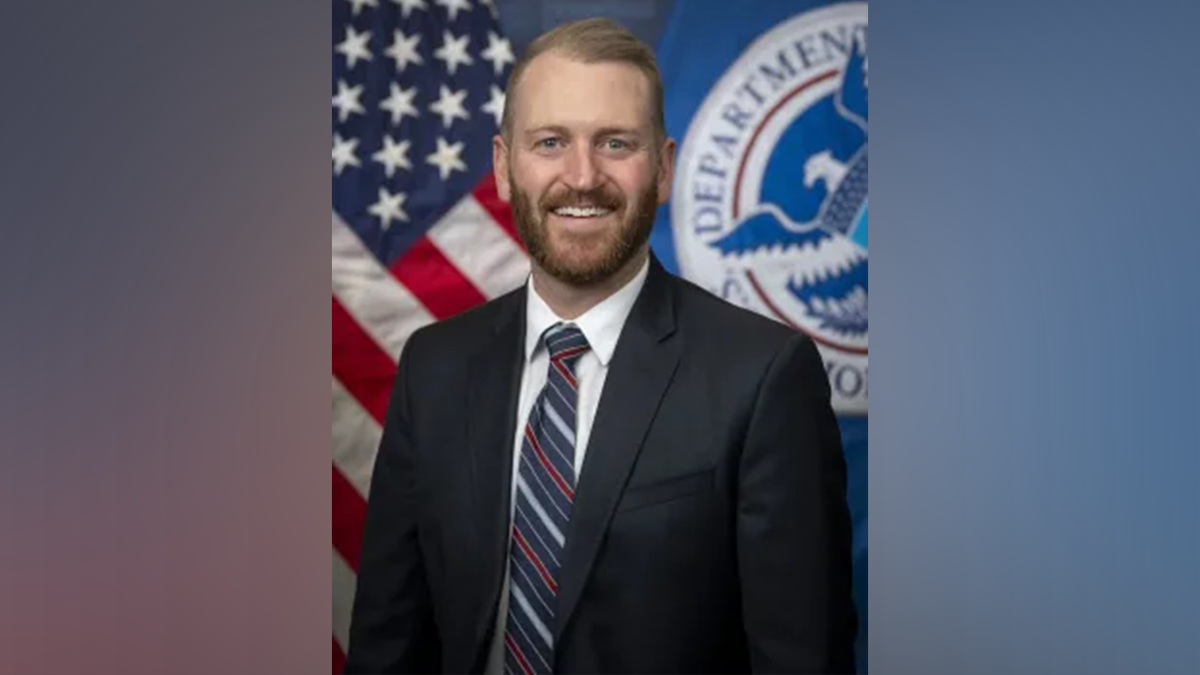
The Supreme Court allowed the Trump administration to proceed with its third-country deportation policy temporarily. This decision comes as the Department of Homeland Security (DHS) defends the immigration authority that the administration claims past presidents did not use sufficiently.
DHS employs ‘third-country’ deportations when an alien cannot be sent back to their home country or if the country refuses to accept them. James Percival, DHS General Counsel, stated this strategy aims to activate existing immigration laws.
“Imagine going to a country and asking if a non-citizen who committed a crime can be allowed to live there,” Percival commented. “Countries like Norway will not accept a criminal from another nation.”
The Supreme Court issued a stay against an earlier ruling that restricted DHS’s policy. This allows the administration’s guidance to stay in place as the Court examines the case’s merits. Discussions are set for December on whether the procedures align with federal immigration laws, due process, and anti-torture safeguards.
While the authority for third-country removals is not questioned, the procedures before conducting these removals are under scrutiny. Percival mentioned, “The law explicitly permits this. Many useful tools in immigration laws are ignored.”
The third-country removal provision is part of the Illegal Immigration Reform and Immigrant Responsibility Act (IIRIRA) of 1996. Percival compared unused legal authorities to fine china, expressing concern that not using them may lead to losing them.
Human rights advocates have criticized this strategy, citing incidents like deportees being mistreated in Equatorial Guinea. The nation agreed to accept deportees as part of a $7.5 million deal.
Percival addressed these concerns, noting the U.S. resident’s preference to stay rather than be deported to a nation like Equatorial Guinea.
The detention issue links partly to a 2001 Supreme Court ruling around a case of a stateless legal resident with a criminal record. In that case, six months of post-removal detention was considered reasonable before further detention could be contested.
Percival aims to discuss these deportation issues through a “Daily Deportee” feature on social media. He emphasized the importance of finding resolutions for criminals who cannot return to their own countries.
For instance, Percival referenced a Burmese national, Kyaw Mya, whose native country won’t accept him back.
Another highlighted case involves a migrant with a violent crime history who reoffended after release from prison after the Bush administration failed to deport him.
As DHS explores underused IIRIRA tools, Percival pointed to another option frequently reiterated by Homeland Security Secretary Markwayne Mullin: providing $3,000 and a flight home.
Percival has worked in Fox News’s New York and Washington bureaus since 2013.