
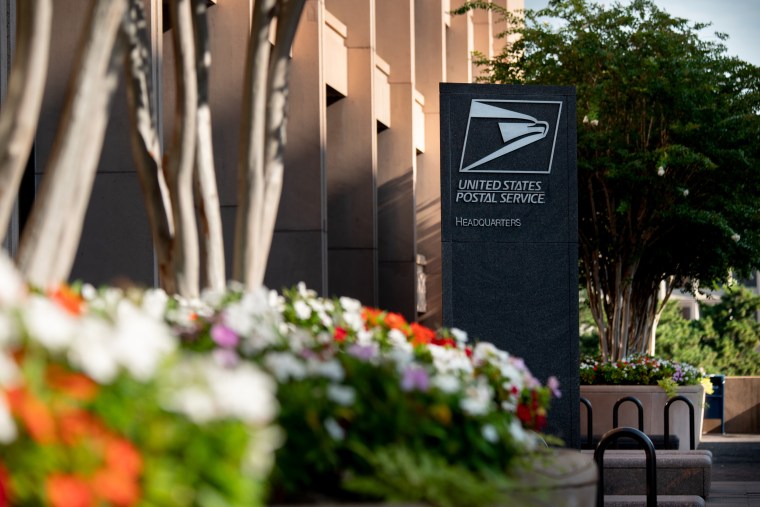
The Supreme Court has favored the Trump administration regarding its executive order aimed at restricting mail-in ballots in the lead-up to the 2026 midterm elections. The order proposes creating a federal list of eligible voters and directing the U.S. Postal Service to distribute ballots only to people on that list.
In a 6-3 division along ideological lines, the conservative majority lifted an injunction imposed by a Massachusetts-based judge, which had initially halted the executive order’s implementation in California and 22 other states challenging the measure. Alabama and 11 other states filed a similar application, which the Supreme Court also granted.
Although parts of the executive order remain blocked nationwide due to other rulings by the same judge, the Supreme Court’s decision may impact those rulings as well. This ruling enables the administration to enforce certain aspects of the order temporarily, but legal challenges persist.
“This decision is a painful setback, but it will not be the final word,” stated New York Attorney General Letitia James, who opposed the proposal.
President Trump has historically criticized mail-in ballots, alleging without proof that the system is rife with fraud. His SAVE America Act, meant to impose further voting restrictions, including proof of citizenship and voter ID requirements, remains unpassed by Congress.
The Supreme Court’s provisional decision rests on whether U.S. District Judge Indira Talwani acted prematurely by blocking the provisions before federal agencies had developed implementation plans. The court’s disposition of this application does not mean that any measure taken by the Government to implement the order will necessarily be lawful. On that score, time will tell,
the court stated in its unsigned ruling.
The ruling allows for the possibility of judicial intervention later, especially concerning restrictions for the upcoming elections. The Postal Service issued its final regulation on enforcing parts of the executive order while awaiting the case outcome.
The dissent came from the court’s three liberal justices. Justice Sonia Sotomayor noted that the decision doesn’t address the legality of the President’s attempt to influence the November 2026 elections or suggest constitutional authority for the directives. Justice Ketanji Brown Jackson criticized the majority for focusing on technicalities instead of the broader intent of the administration.
The Trump administration argued that the new regulations would not fully enact the executive order, explaining that the Postal Service would not refuse to send ballots, even for those not on a state list of registered voters.
Consistent with a related case decision by the U.S. Court of Appeals for the District of Columbia Circuit, the Supreme Court’s ruling comes after lower courts declined to delay the Massachusetts ruling. Solicitor General D. John Sauer argued that it was premature for courts to adjudicate on the matter, as implementation strategies remained undefined.