
The Supreme Court has ruled that political party committees can continue to access discounted rates for television and radio advertisements. This decision favors Republican campaign organizations as they prepare for the upcoming 2026 midterm elections.
The ruling allows party committees to optimize their advertising budgets during the election season. This follows a previous Supreme Court decision removing limits on coordinated spending between political parties and candidates. The Associated Press explains the context of this dispute, which originated from guidance issued by the Federal Communications Commission’s (FCC) Media Bureau in March. The guidance provided political party committees the eligibility to secure the lowest advertising rates when purchasing broadcast ads in conjunction with candidates.
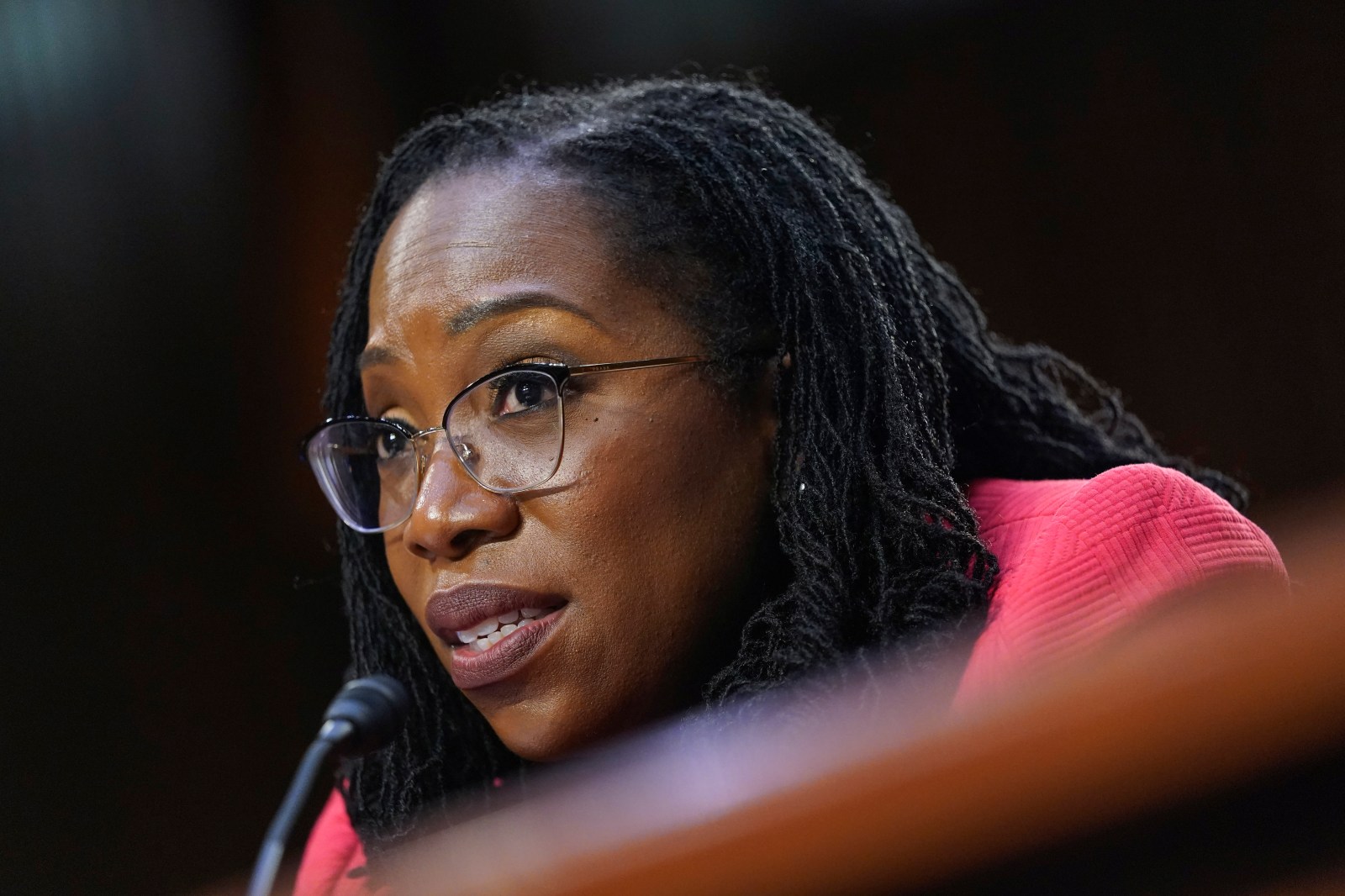
Former Senator Sherrod Brown, accompanied by three others, challenged the policy, urging that discounted rates should only apply to legally qualified candidates. Justice Ketanji Brown Jackson dissented, indicating that the FCC’s ongoing administrative process does not preclude judicial review. Referencing a Fourth Circuit concurrence, she emphasized that agencies cannot avoid judicial review through delay.
Former Palm Beach County State Attorney Dave Aronberg commented to Newsweek, “The Supreme Court’s action prevents wide-scale confusion across the broadcast industry but gives national party committees and wealthy special interests a subsidy meant specifically for individual candidates. The law was crafted to ensure that the lowest-unit broadcast rates apply solely to candidates, excluding outside entities or political parties.” He expressed concern that allowing national party committees to capitalize on discounted rates can undermine grassroots candidates’ ability to communicate with voters effectively.
Following the Fourth Circuit Court of Appeals siding with the challengers, Republican congressional campaign committees requested Supreme Court intervention. The Supreme Court noted that Republican committees faced potential harm if they lost access to these discounted rates. “The party committees have demonstrated that they would suffer irreparable harm without a stay. Broadcasters, reacting to the Fourth Circuit’s decision—which appeared beyond its jurisdiction—were already withdrawing favorable pricing. This situation could compel party committees to spend more for advertising space, affecting efforts to communicate with the electorate as midterms approach,” the Court articulated.
Justice Jackson stood alone in dissent. The Court’s decision granted a stay, leaving the underlying legal matter related to the FCC’s interpretation of advertising rules unresolved.
Advertising Spending by Candidates
Competitive congressional campaigns typically allocate millions for advertising, while statewide and presidential campaigns may spend tens to hundreds of millions on TV, digital, radio, and mail outreach.
Federal Election Commission (FEC) filings reveal the financial positions of major Democratic and Republican committees by the end of July. The top three Democratic committees held about $136 million in cash, while Republican committees managed nearly $279 million. Democrats also had approximately $17.9 million in debt, whereas the GOP reported none.