
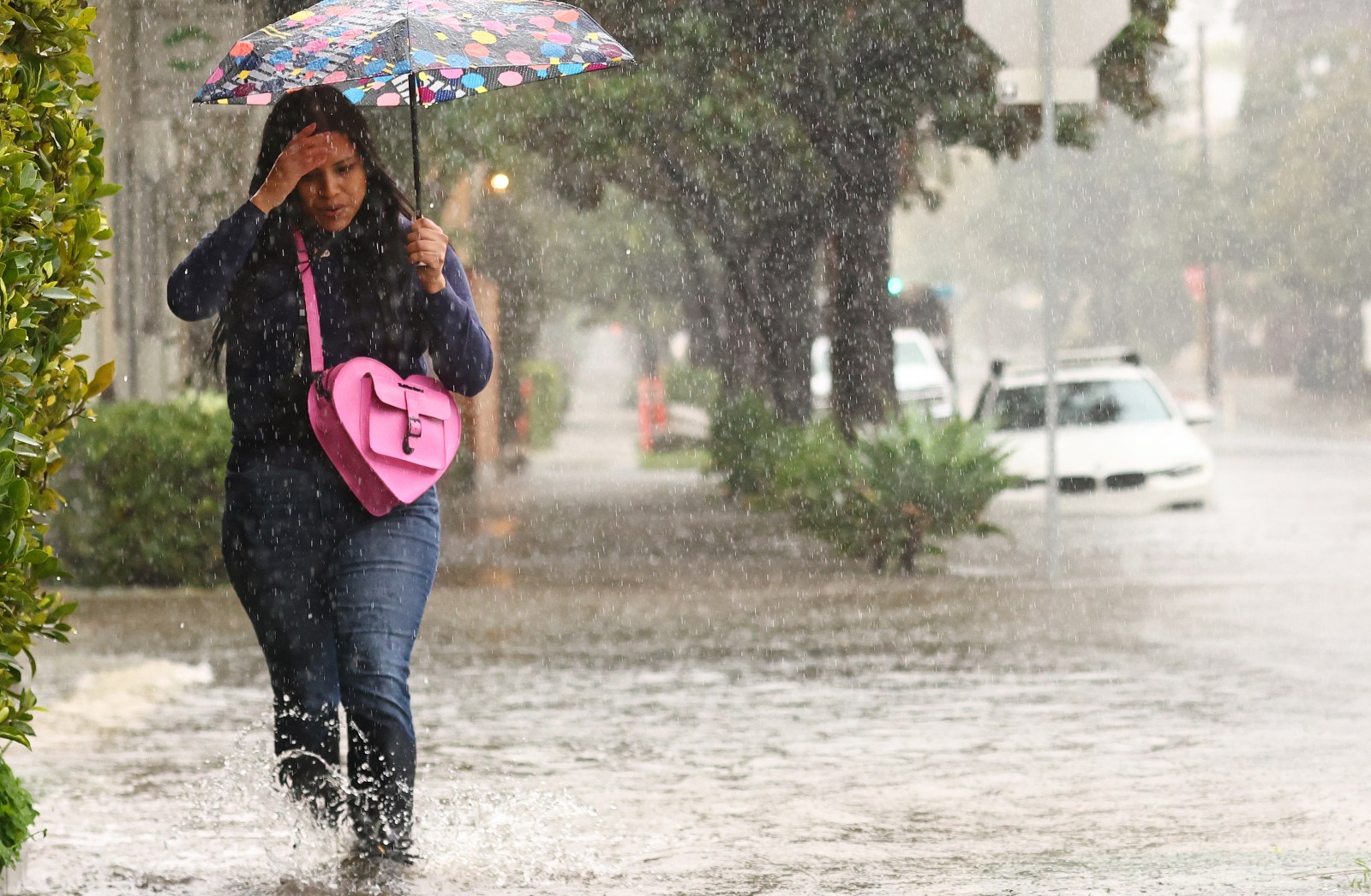
A potent super El Niño is expected to significantly influence U.S. weather in the upcoming months. Forecasters indicate that this strong event could reshape patterns of rainfall, storms, and snowfall as fall transitions into winter.
Understanding Super El Niño
El Niño occurs when oceanic waters in the equatorial Pacific get warmer, influencing weather globally. Confidence that this occurrence will escalate into a super El Niño is nearly certain, as per AccuWeather. Early signs may emerge by October, but major impacts are anticipated from late fall into winter. Expect wetter conditions in parts of the South and California, while other regions may face drier or warmer weather.
Characteristics and Terminology
A super El Niño involves unusually high warming in the tropical Pacific, amplifying its atmospheric effects. While the National Oceanic and Atmospheric Administration (NOAA) doesn’t officially use the term “super El Niño,” other organizations do to describe intense events. NOAA suggests this developing phenomenon might reach its “very strong” category by winter.
Impact on U.S. Weather
Historically, a super El Niño brings more storms to California and the southern states, while northern regions experience milder weather. The Pacific Northwest could become drier than usual. However, El Niño is one of many influences on winter weather, and actual conditions may vary.
Weather Developments
Already, some El Niño-related impacts are visible in the U.S., such as droughts and fires in the Pacific Northwest and Rocky Mountains. Additional effects might include dry spells in the central U.S. during summer. The strongest impact occurs in cooler seasons when jet streams interact.
Regional Weather Changes
The Southwest and areas from Texas to Tennessee may see changes as early as late October to November. Rain and flooding risks will increase with more upper lows entering these regions. Drier weather will impact the Great Lakes and Upper Midwest by mid-to-late fall. Severe weather risks will grow in Florida and southern Georgia in November, with cities like Jacksonville and Orlando facing tornado risks.
Impact on Ski Season
The ski season outlook varies by location. Ski areas in Utah, Colorado, and California might see better conditions due to increased storm activity. The Sierra Nevadas often benefit from strong El Niño events, while Utah’s Wasatch Range typically receives more snow. In contrast, Oregon and parts of the Pacific Northwest may see below-average snowfall.
Snowfall Predictions
Forecasters at OpenSnow predict the Southwest and southern Rockies may receive substantial snowfall. California and Utah are poised for above-average snowfall. In contrast, Colorado’s situation is uncertain, and regions in Montana and the northern Rockies could see less snowfall. The Midwest, northern U.S., Great Lakes, and Northeast might experience below-average snow totals.
Looking Ahead
Although El Niño’s impacts are starting to show in the Pacific, its influence in the U.S. will become more notable from fall through winter. Warming ocean temperatures and atmospheric changes will affect storm tracks, rainfall, and temperatures across the country. The strongest effects usually occur from late fall to early spring, coinciding with its peak intensity.