
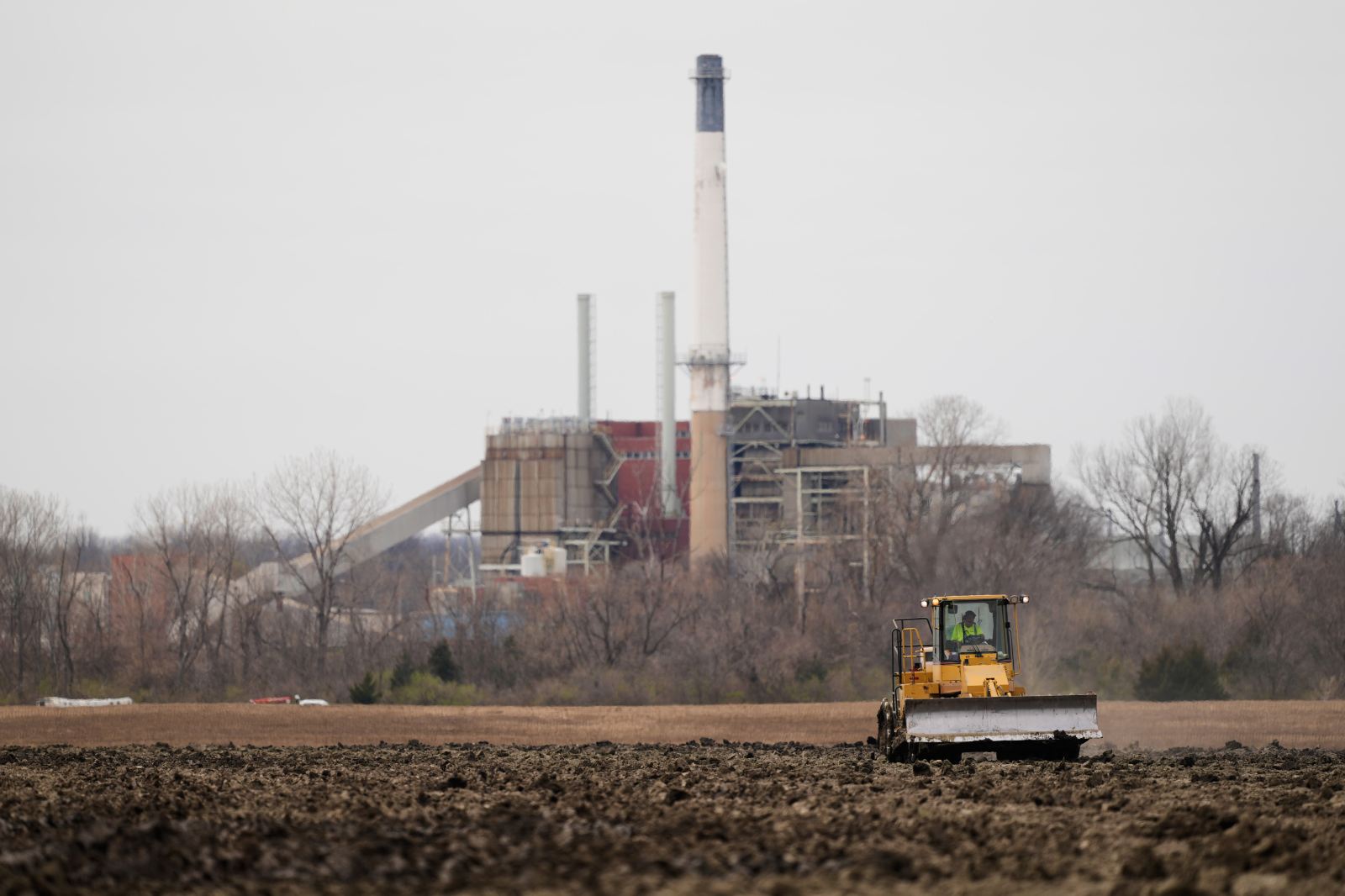
The rapid expansion of data centers across the United States has sparked significant discussion among legislators and local municipalities. The National Conference of State Legislatures (NCSL) reports that lawmakers in at least 14 states are considering bans or temporary pauses on new data center constructions. These facilities are integral to supporting AI advancements but also require substantial electricity and water resources.
Balancing Interests
Critics argue that data centers should be approached cautiously to allow local leaders to evaluate their long-term impacts. Proponents, including the Trump administration, argue these centers are crucial to maintain a competitive edge over China in the AI sector. Specific local actions include bans in municipalities like Monterey Park, California, with existing restrictions in parts of Georgia and Indiana.
Moratorium Efforts
Efforts to restrict data center growth are evident in various states, including proposals in Georgia to halt construction until 2028 and a moratorium on larger facilities in Maine that was recently vetoed. Other unsuccessful attempts occurred in Oklahoma, Minnesota, and New Hampshire. In South Carolina, measures aim to delay local approvals until comprehensive regulations are established, while Pennsylvania lawmakers seek a three-year pause combined with impact studies.
Current Data Center Landscape
The Pew Research Center states over 3,000 data centers operate across the U.S., with more than 1,500 additional facilities under construction. Most upcoming centers target rural areas in the South and Midwest, contrasting with the existing 87 percent in urban areas. Virginia and Texas hold the highest numbers of operational centers, followed by California, Ohio, and New York.
Environmental Concerns
Particular environmental concerns focus on proposed centers near the Ogallala Aquifer, a critical groundwater resource essential for American agriculture. Notable developments include a planned 438-acre site in Texas near Odessa and Microsoft’s acquisition of 3,200 acres in Wyoming. The Ogallala Aquifer spans eight states and recharges slowly. Water extraction rates exceed replenishment rates significantly, with some areas already experiencing drastic depletion.
Colorado State University expert Sudeep Pasricha emphasizes the slow recharge of the aquifer, noting the potential for some regions to require centuries or millennia for water to return.