
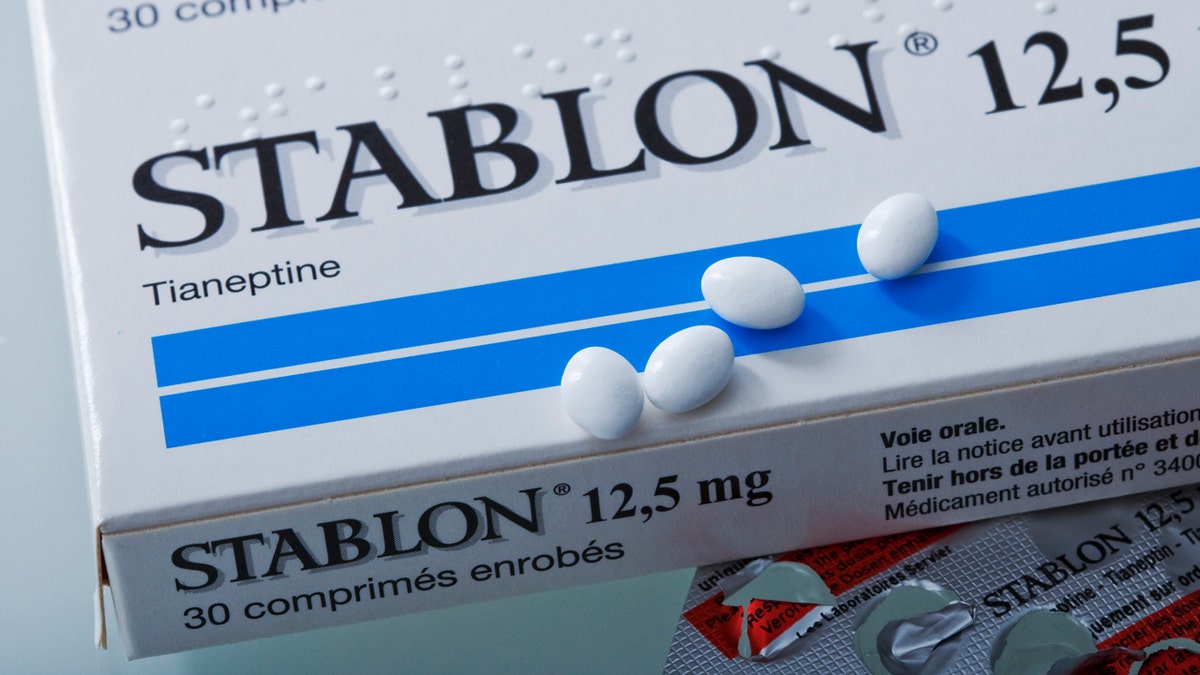
Medical experts are raising alarms about the dangerous substance known as “gas station heroin,” prompting more states to impose restrictions or bans on tianeptine. Currently, fourteen states have classified this tricyclic antidepressant as a Schedule I controlled substance. Connecticut is the latest to enact such measures, officially prohibiting its sale and use.
The Risks of Tianeptine
The U.S. Food and Drug Administration (FDA) notes that tianeptine, when consumed in high doses, can induce euphoria and can be more potent than morphine and addictive opioids. Various countries have limited its prescription and dispensation, also updating labels to warn of its addictive potential.
The Drug Enforcement Administration warns that misuse of tianeptine can result in severe health risks such as respiratory depression, significant sedation, and even death. Some companies misleadingly market the drug as a pain relief, anxiety, and depression aid, or as a mental alertness enhancer. It is available in pill, powder, salt, or liquid form at convenience stores, gas stations, vape shops, and online retailers, known by names such as Tianaa, ZaZa, Neptune’s Fix, Pegasus, and TD Red.
Regulatory Actions
Connecticut Lt. Gov. Susan Bysiewicz emphasized the importance of classifying tianeptine as a Schedule I substance to combat addiction. She highlighted the misleading marketing and candy-like flavors, which posed significant risks to vulnerable groups, including youths. Connecticut’s schedule classification now also includes substances like Mitragyna speciosa (kratom), 7-hydroxymitragynine, Bromazolam, Flubromazolam, Nitazenes, and Phenibut.
Earlier this month, FDA Commissioner Martin Makary warned about the “dangerous and growing health trend” of tianeptine use, calling attention to its risks to America’s youth. Dr. Robert Schwaner, a medical professional from New York, highlighted the lack of FDA approval for tianeptine as a dietary supplement.
With heroin and other opioids, significant mu-opioid receptor stimulation results in a loss of respiratory drive and subsequent cardiac arrest,Schwaner stated, advocating for national regulation of the substance.
Related Concerns
Dr. Marc Siegel, a senior medical analyst, identified a broader addiction problem in the U.S., with kratom often sold alongside tianeptine. The compound 7-hydroxymitragynine in kratom is more potent than morphine at the opioid receptor, carrying significant addiction and overdose risks. Despite the prevalence of these substances, they are not routinely tested for, even in overdose cases.
Fox News Digital reached out to the FDA for comment, with reporting contributions from Melissa Rudy, Greg Wehner, and Ashley J. DiMella.