
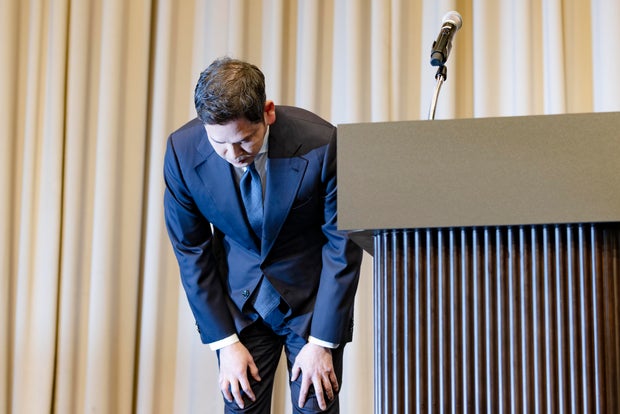
Seoul, South Korea — South Korean business magnate Chung Yong-jin publicly apologized as Starbucks Korea faced criticism over a controversial marketing campaign. Chung, chairman of Shinsegae Group, which holds a 67.5% stake in Starbucks Korea, expressed regret over the campaign viewed as insensitive to the victims of the 1980 pro-democracy crackdown.
Chung issued an apology during a live broadcast, addressing the families of activists affected by the former military regime’s actions and the general public. The controversy centered on a campaign promoting a large tumbler, referred to as a ‘tank,’ on May 18, marking the anniversary of the Gwangju Uprising. This event ended with violence from military forces, affecting hundreds.
The campaign’s slogan, ‘Thwack it on the table!’ was widely interpreted as referencing a 1987 police statement related to the student activist Park Jong-chol’s death. This was exacerbated by its timing on a day steeped in democratic significance for South Korea.
In response to public outrage, Shinsegae quickly retracted the promotional event and dismissed Starbucks Korea’s CEO. An investigation began as families of the victims filed complaints.
It is deeply regrettable that Starbucks Korea’s campaign caused significant hurt and anger,Chung stated, urging customers not to blame Starbucks employees.
His initial apology came a day after the campaign launch, citing the distress it caused to those connected with the May 18 movement.
Jeon Sangjin, a senior executive at Shinsegae, mentioned ongoing efforts to determine if the marketing team intended to disparage the pro-democracy movement. There were difficulties in obtaining employee smartphones for an internal review. Findings from police investigations will guide further actions, including dismissals for any intent to mock the movement.
The incident spurred potential boycotts backed by figures like Interior Minister Yoon Ho-jung, who criticized the company’s insensitivity to history. A Shinsegae representative mentioned a significant drop in sales after the marketing misstep.
President Lee Jae Myung criticized the campaign, stressing it tarnished South Korea’s community values and democratic principles. The Gwangju suppression, led by General Chun Doo-hwan, claimed around 200 lives according to official data, though activists argue the numbers are higher. The subsequent public dissent against Chun’s regime in 1987 forced democratic reforms, shaping South Korean governance today.