
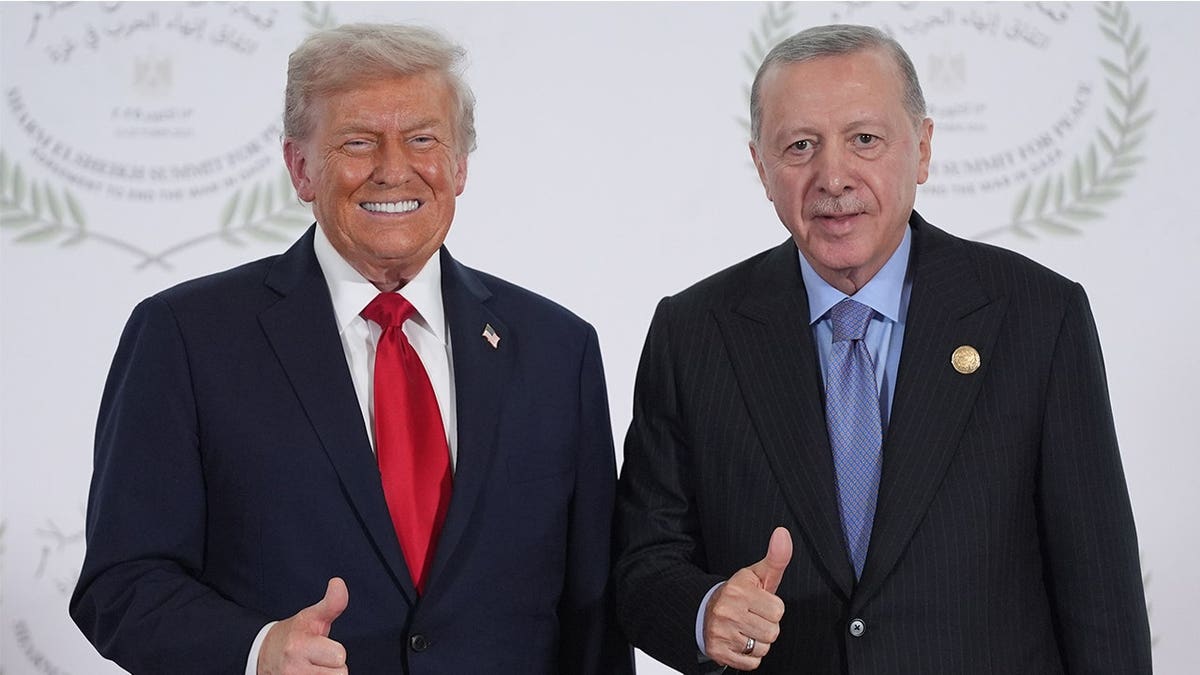
President Donald Trump has announced his intention to attend the NATO summit in Ankara, Turkey. The primary reason for his attendance is Turkish President Recep Tayyip Erdoğan, whom Trump described as “a friend” and “a respected leader.” Trump’s remarks suggest a potential for closer defense cooperation between the U.S. and Turkey.
This summit marks a noticeable shift in U.S.-Turkey relations. In 2019, Turkey’s acquisition of Russia’s S-400 air defense system led to its expulsion from the F-35 fighter program and sanctions on its defense procurement agency. These actions strained the U.S.-Turkey alliance. But now, as NATO faces challenges from Russia and instability in the Middle East, Turkey’s strategic importance has resurfaced.
Former U.S. Ambassador to Turkey James Jeffrey noted that Turkey is now pivotal to U.S. interests in the region. White House spokesperson Anna Kelly confirmed Trump’s planned bilateral meeting with Erdoğan at the summit, citing Erdoğan’s role as a key regional partner.
Analysts highlight Turkey’s strategic importance due to its military strength, geographic location, and willingness to engage in regional conflicts. As NATO revisits its collective defense strategy, Turkey’s substantial military contributions are increasingly valued.
NATO has set a defense spending target of 5% of GDP by 2025. This comes in response to previous criticisms from Trump about European allies’ inadequate defense spending. Turkey, which fields the second-largest military in NATO, plays a crucial role in the alliance’s defense objectives.
Rich Outzen, former State Department advisor, emphasized the necessity of integrating Turkey fully into NATO for effective security. Several geopolitical developments, including Russia’s actions in Ukraine and unrest in the Middle East, have underscored Turkey’s strategic value.
Turkey’s role in supporting Ukraine and its enforcement of the Montreux Convention has been vital in the Black Sea. Its provision of Bayraktar drones and mediation efforts between Ukraine and Russia demonstrate its regional influence.
The fall of Bashar al-Assad’s regime in Syria has fostered closer U.S.-Turkey alignment after years of discord. Jeffrey credited Turkey with substantially contributing to opposition efforts against Assad, impacting Iran and Russia negatively.
Not all analysts agree on Turkey’s strategic alignment with NATO. Critics point to Turkey’s differing foreign policy stances. Turkey supports Hamas and retains the S-400 system, diverging from many NATO allies. Its ties with non-Western groups like BRICS and the Shanghai Cooperation Organization further raise concerns.
Sinan Ciddi from the Foundation for Defense of Democracies noted Turkey’s unique NATO position, supporting Hamas and seeking expanded U.S. defense technology access. These actions conflict with U.S. and NATO interests.
Concerns about Turkey’s S-400 system have influenced U.S.-Turkey defense ties. The Trump administration’s proposed $700 million arms sale to Turkey faced congressional objections. The State Department is criticized for not sufficiently addressing matters related to Turkey’s S-400 possession.
The Turkish embassy did not respond to requests for comment. Proposed sales of F110 fighter engines present fewer issues than reintegration into the F-35 program, mainly due to the technical risks associated with the S-400 system.