
SEOUL, South Korea — On Thursday, South Korea successfully flight-tested its first domestically developed hypersonic weapon at a military base in Gyeyong. This weapon is engineered to travel at a speed exceeding five times the sound barrier, enhancing its ability to evade missile defense systems. The test signifies a notable shift in Seoul’s defense capabilities.
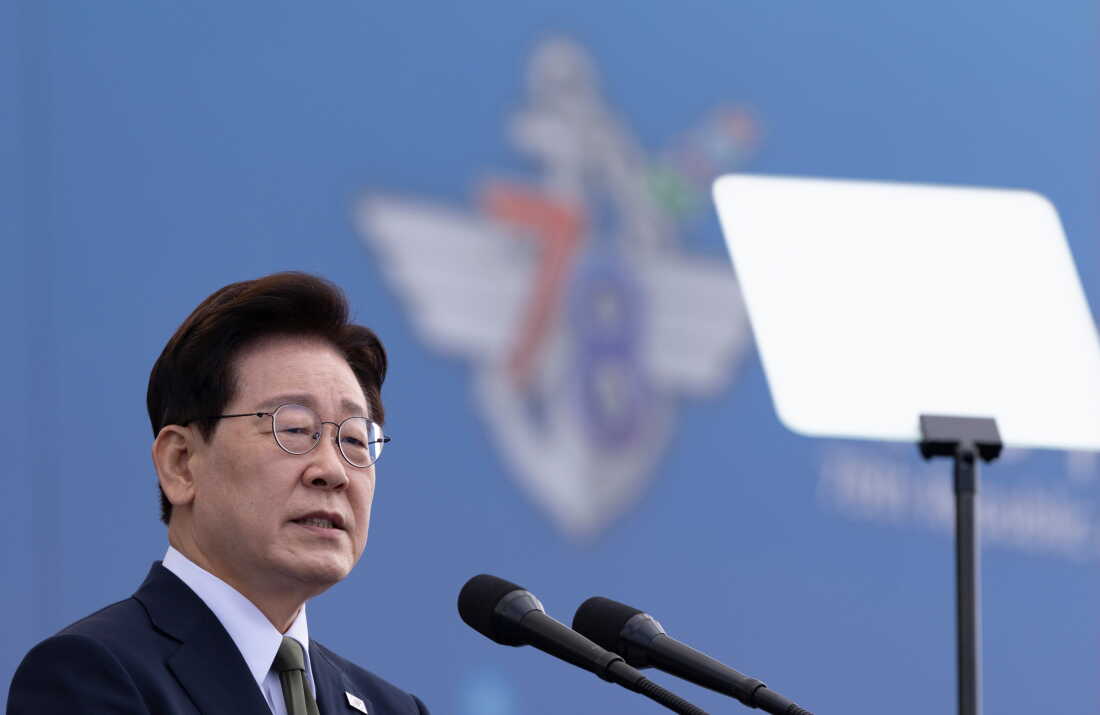
During the Armed Forces Day celebration, South Korean President Lee Jae Myung observed the weapon test and spoke about its importance. He emphasized that this development marks a significant enhancement of the country’s conventional defense abilities. According to an official statement, the weapon reached its intended height, separated from its booster, and maneuvered accurately to hit its target.
The event aligns with South Korea’s strategic aim of maintaining self-reliant security. President Lee also reviewed the powerful Hyunmoo-5 ballistic missile on the same day, though he did not address North Korea directly.
Tensions on the Korean Peninsula have been rising. Three South Korean soldiers sustained injuries from land mine explosions near the inter-Korean border last month. South Korea and the United Nations Command attributed the mines to North Korean intervention, an accusation that North Korea denies.
North Korea, meanwhile, continues to advance its weapons program. Recently, it conducted a test with a hypersonic missile, claiming it traveled over 1,000 kilometers. Japan confirmed the missile landed outside its exclusive economic zone. South Korea and Japan provided slight variations in their tracking of the missile’s distance.
South Korea’s recent actions reflect its strategic approach to enhance conventional defense while negotiating the nuances of regional diplomacy. President Lee supports engagement with North Korea but acknowledges the need for a robust independent defense, especially following the decreased scale of joint military exercises with the United States in August.