
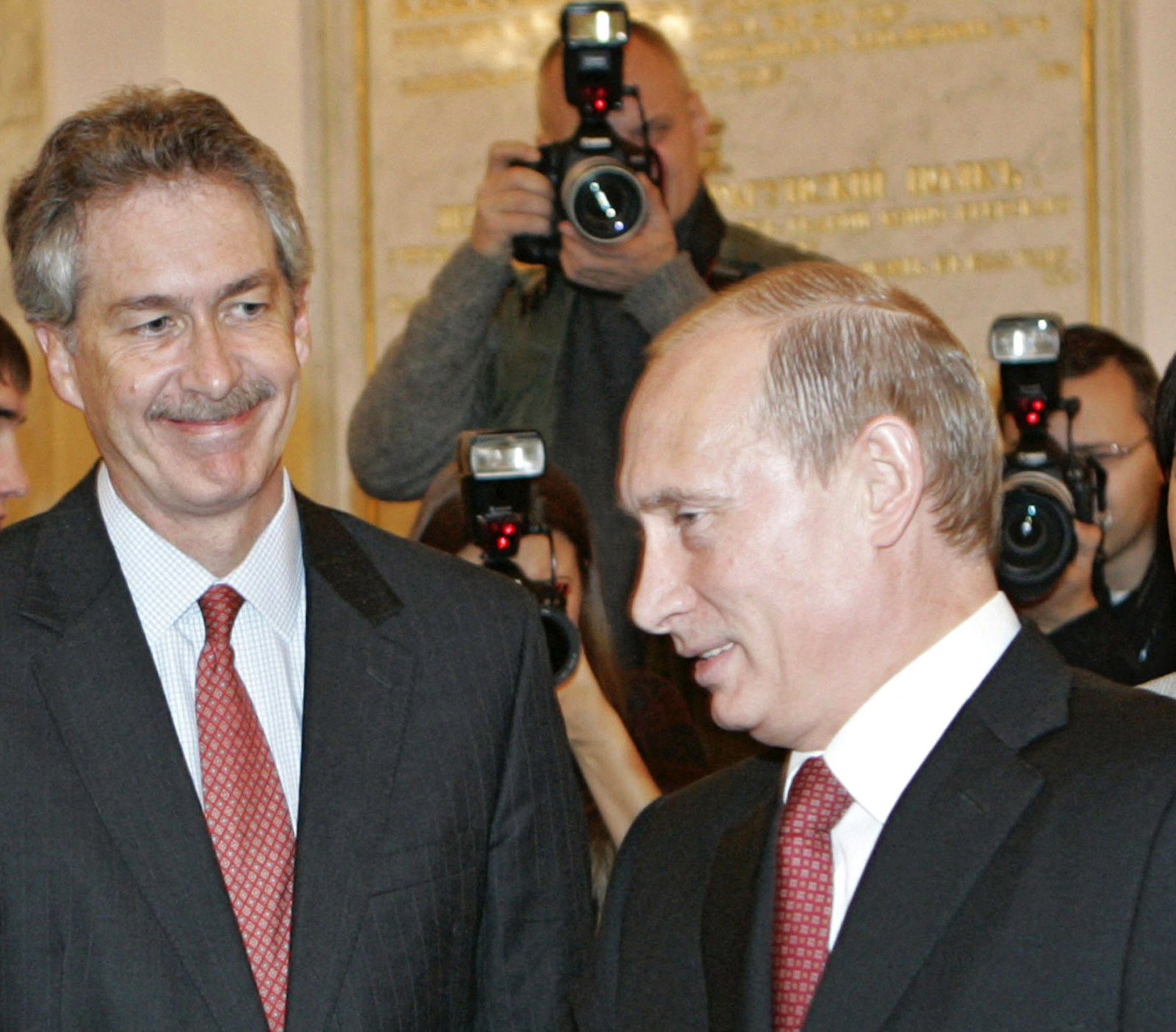
In the fall of 2021, U.S. President Joe Biden observed a significant buildup of Russian troops near Ukraine’s border, suspecting more than standard military exercises. Concerned, Biden sent then CIA Director William Burns, a former ambassador to Russia, to Moscow with a clear message: the U.S. is monitoring the situation and urges restraint.
This diplomatic effort did not prevent the subsequent conflict. Now, with similar circumstances unfolding, CIA Director John Ratcliffe has traveled to Moscow unannounced, reportedly warning against further escalation related to Ukraine and NATO.
The core issue remains unresolved. NATO views Russia as an aggressor, affirming that sovereign states can decide their security policies. Russia sees NATO expansion as a threat, considering Western military alliances with Russia’s neighbors dangerous.
Recent British engagement in Ukraine, offering missile production blueprints, exemplifies NATO’s defensive stance against Russian aggression. The Coalition of the Willing, led by France and the UK, plans a peacekeeping mission post-ceasefire.
Kremlin spokesperson Dmitry Peskov criticized Britain’s involvement, labeling it an act of war. Dmitri Medvedev, a prominent Russian figure, echoed similar concerns, deeming NATO expansion to Ukraine and Georgia a threat to Russia.
Lt. Gen. Viktor Sobolev stirred controversy, believing Russia must achieve victory by 2030 before NATO is ready for direct conflict. He emphasized rebuilding Russia’s military to counter potential threats from adversaries.
While the geopolitical landscape has shifted, the underlying arguments persist unchanged. Ratcliffe’s visit aimed at cautioning Russia against escalating tensions with NATO states, particularly in the Baltics, amidst concerns about potential cyberattacks or military incursions.
Estonia, however, remains reassured of NATO’s strength. Prime Minister Kristen Michal and Foreign Minister Margus Tsahkna both expressed confidence in NATO’s deterrent power against Russian aggression, citing Estonia’s defense efforts, including significant GDP expenditure and formidable defense infrastructure.
Nevertheless, historical precedents warn against assuming mutual understanding with Moscow. As seen in 2022, Ukrainian President Zelensky initially downplayed invasion concerns despite U.S. intelligence warnings, only for Russia to advance on Kyiv shortly thereafter.
The prospect of Russian provocations, such as in the Suwalki Gap, raises significant strategic questions. Ed Arnold of Britain’s Royal United Services Institute suggests such moves could test NATO’s resolve under Article 5. The implications hinge on how NATO demonstrates unity and deters even limited aggression, presenting challenges for defense planning in Washington, Tallinn, and Brussels.