
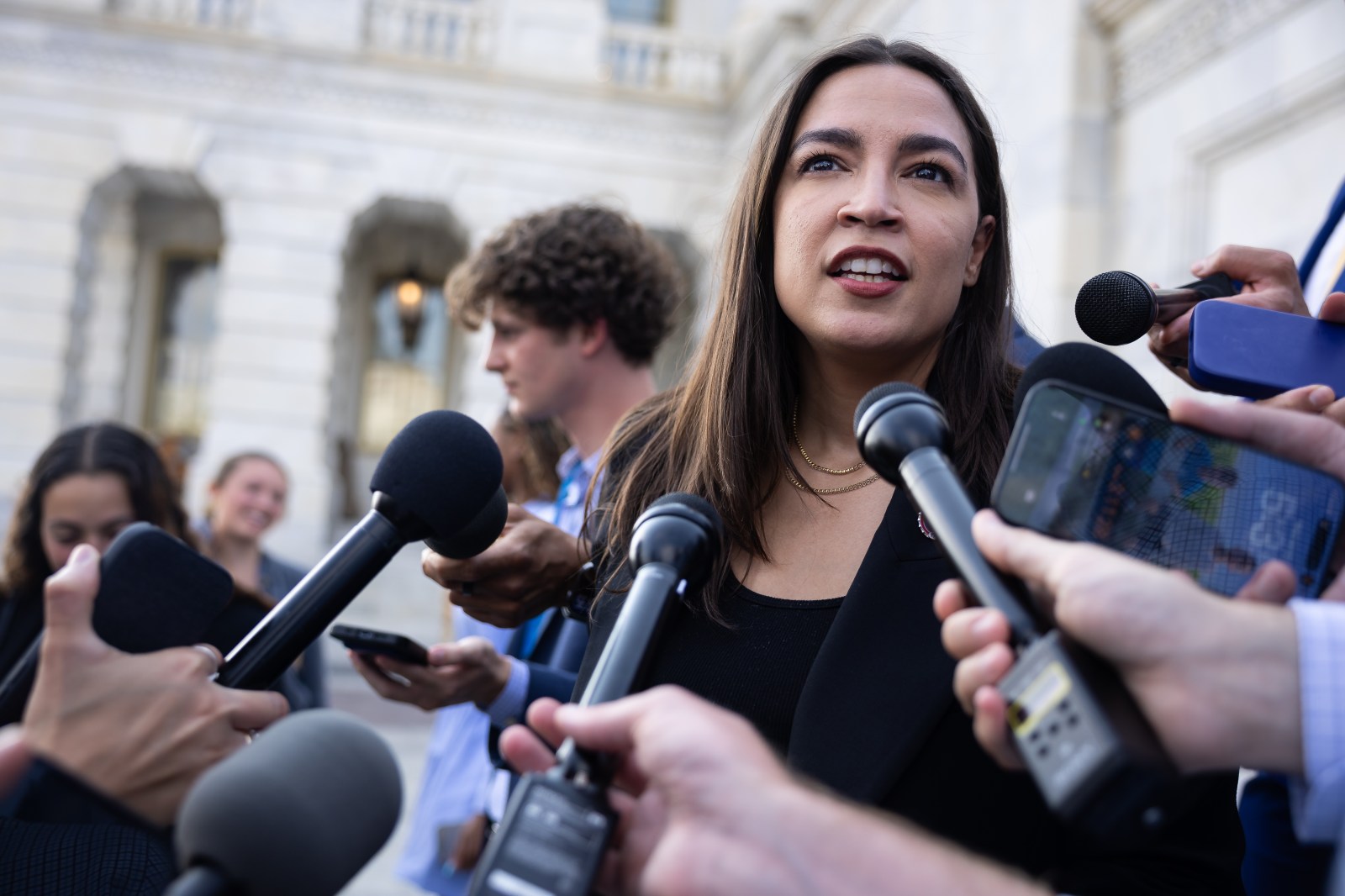
The Democratic National Committee’s (DNC) choice to designate South Carolina as the first state in the 2028 presidential primary has sparked discussions about its potential impact on different wings of the party. This decision could pose challenges for democratic socialists like Representative Alexandria Ocasio-Cortez.
On Friday, the DNC’s Rules and Bylaws Committee recommended South Carolina to start the 2028 Democratic presidential primary, overtaking Nevada. This proposal, still pending full DNC approval in August, would reaffirm South Carolina’s lead position after it was elevated before the 2024 election cycle.
Debate Over Impact on Different Wings
Some analysts argue that South Carolina’s Democratic electorate, supported by a significant Black voter base historically favoring establishment candidates, might hinder progressive or democratic socialist candidates’ initial momentum. However, others argue that a crowded primary might split the moderate vote, providing an opportunity for an insurgent candidate.
Importance of Being the First Primary State
The first presidential primary significantly influences the overall nominating contest. A strong performance can boost media coverage, fundraising, and convince undecided voters of a candidate’s viability. Conversely, a poor showing can quickly dry up financial support and end campaigns.
With no incumbent Democratic president expected to run in 2028, this initial contest will likely be crucial for candidates seeking early momentum in an anticipated wide-open race.
Reasons for South Carolina’s Selection
The Democratic Party initially moved South Carolina to the forefront for the 2024 cycle after then-President Joe Biden advocated for a more reflective start of the party’s diverse coalition. Proponents argue that South Carolina amplifies Black voters’ voices, a key Democratic bloc.
Critics suggest the decision could challenge the path for candidates aligned with the party’s progressive wing. Meghan McCain suggested it’s “bad news” for socialists and AOC’s potential future presidential ambitions. Political scientist Craig Agranoff notes that South Carolina rewards candidates who connect with influential Black electorates that prioritize electability over ideology.
Potential Advantages for Progressive Candidates
Some analysts believe South Carolina’s leading status might not disadvantage progressive candidates. Grant Reeher, a political scientist, suggests primaries usually attract ideologically intense voters, which might benefit a progressive candidate in a crowded field.
Outsider candidates, such as Pete Buttigieg in previous cycles, could benefit from a crowded field. Agranoff also underscores the field’s size as crucial; multiple contenders for the same voters can create openings for figures like Buttigieg or Sanders, should they choose to run.
The New Hampshire Stand-Off
New Hampshire’s state law mandates its primary precede others, potentially conflicting with the DNC’s revised calendar. Without changes to this law, New Hampshire might maintain its early primary despite South Carolina’s official status, risking its influence but preserving its first-place standing.
Potential 2028 Candidates
Few politicians have declared presidential ambitions for 2028, but prominent names include Alexandria Ocasio-Cortez, regarded as a potential democratic socialist candidate. She advocates expanded healthcare access, climate action, and higher taxes on corporations, appealing to younger, progressive voters.
While Sanders remains a pillar of democratic socialism, his age makes another candidacy unlikely. Instead, focus may shift to younger progressive leaders to continue his movement.
Additional Progressive Figures
Besides Ocasio-Cortez and Sanders, figures like Rashida Tlaib and Greg Casar have emerged as progressive voices. NY City Mayor Zohran Mamdani exemplifies continued democratic socialist influence despite not being a viable 2028 presidential candidate.
The Broader Progressive Wing
The Democratic Party’s progressive wing encompasses a range of potential 2028 contenders, including figures like Buttigieg, Governors JB Pritzker, Gavin Newsom, and Wes Moore. These center-left Democrats appeal to voters on healthcare, economic opportunity, and climate policy.
A large number of moderate candidates could split establishment support, creating an opening for a progressive with a plurality in early contests.
Who Benefits Most?
The revised calendar appears to favor candidates capable of building broad Democratic coalitions. South Carolina’s calendar position’s impact depends on the field’s crowding and participatory candidates.
Contact Newsweek editors on this story: Edward T. Cummins.