
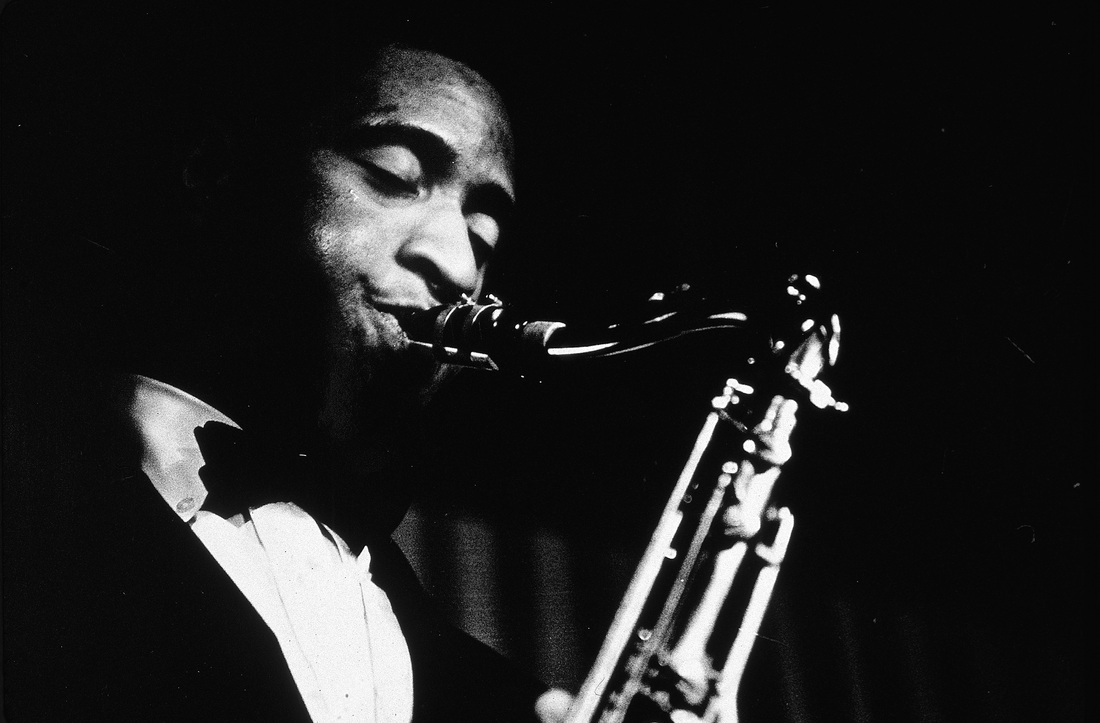
Theodore ‘Sonny’ Rollins, an influential saxophonist known for his immense tone and boundless improvisation, passed away at his home in Woodstock, N.Y. He was 95 years old. Rollins was a celebrated figure in the world of jazz, honored as a National Endowment for the Arts Jazz Master and recipient of a Kennedy Center honor and the National Medal of the Arts.
Born on September 7, 1930, in New York City, Rollins was raised in Harlem’s Sugar Hill, an area known for its prominent jazz musicians. His neighbors included Jackie McLean, Art Taylor, and Kenny Drew. Despite initial parental concern over his musical pursuits, Rollins embraced the evolving jazz style surrounding him.
In the late 1950s, Rollins took a brief hiatus, seeking new inspiration. He practiced alone on the Williamsburg Bridge. His return in 1962, marked by the album titled ‘The Bridge,’ was a significant cultural event.
Rollins once explained his creative process to NPR, emphasizing spontaneity in his performances. He mastered songs through practice but embraced improvisation during concerts by letting the music guide him.
Known for his distinctive sound, Rollins played a variety of styles, including calypsos and unaccompanied cadenzas. He contributed to films and collaborated with artists such as the Rolling Stones and Stevie Wonder. His music was deeply personal, driven by his taste rather than commercial pressures.
Later in life, Rollins founded Doxy Records, acknowledging the tension between the corporate world and the essence of jazz. He valued jazz for its creativity, freedom, and adaptability, expressing it as a reflection of life’s constant changes.
Sonny Rollins’ legacy continues to inspire, embodying jazz as a dynamic and expressive art form.