
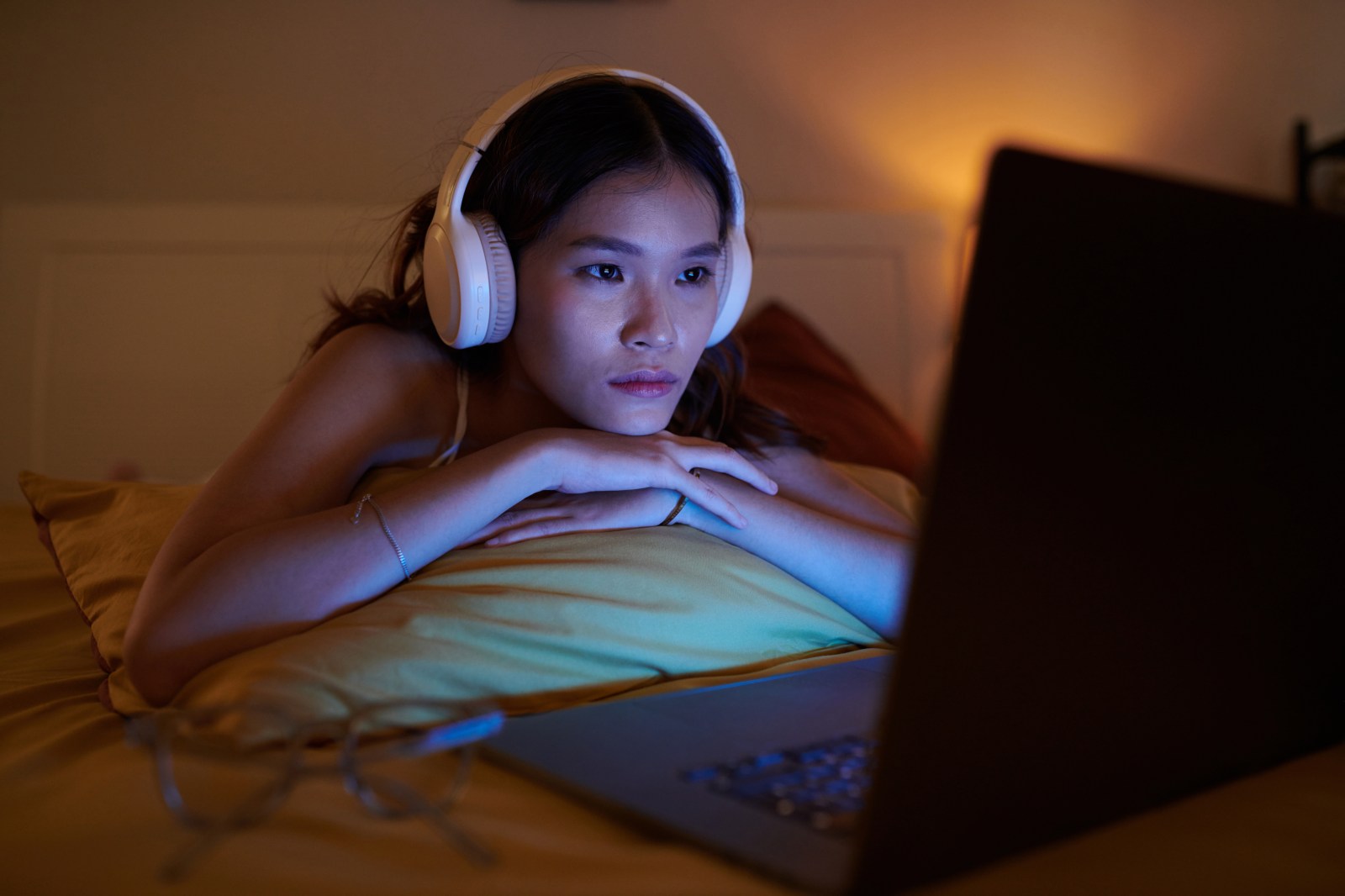
Generation Z, comprised of those born between 1997 and 2012, is under constant scrutiny regarding their mental health. They have grown up with smartphones, accessing distressing content daily. Psychological experts are now observing new challenges as this generation copes with the online sharing of personal achievements and successes.
These curated moments, often presenting peaks and triumphs, occur alongside disturbing content. This creates a seesaw experience for Gen Z, exposing them to extreme highs and lows. Previous generations lacked exposure to such curated social media realities. Poor mental health outcomes in this group are linked to increased social comparison driven by ongoing connection through social media platforms.
Platforms like TikTok, LinkedIn, YouTube, and Instagram have normalized keeping up with acquaintances’ achievements. Gen Z is increasingly aware of celebrities, athletes, and influencers through these networks. This continuous exposure to ‘success’ fosters social comparison, impacting self-perception.
The Success Olympics and Gen Z
Sixty percent of Gen Zers surveyed in 2024 reported spending over four hours daily on social media, with 22 percent spending over seven hours. The rise of social comparison online is significant, but tangible world changes also make Gen Z feel inadequate.
Luxury brands like Chanel and Dior are now in the middle-class market. Products by these brands, once rare, are now common among ‘normies’ and flaunted online. Offline activities, previously ordinary, have become status symbols. Gen Z faces increased work stress and struggles to disconnect from their devices. Many perceive others as leading rich, fulfilling lives, increasing mental health concerns.
“Gen Z’s exposure to success reinforces the impact of social comparison,” said Dr. Ashwini Nadkarni from Harvard Medical School.
Prudence Leung, a psychotherapist, highlighted that seeing classmates and celebrities in the same social media feed blurs lines. This feeds stress, with one third of Gen Z feeling anxious about achieving a perfect online life.
Expectations for financial achievement are rising. An EduBirdie survey found 38 percent of Gen Z aspire to earn over $100,000 by age 30. The social media portrayal of quick success encourages this mindset. Trends like ‘Great Lock-In’ imply self-improvement is effortless, causing feelings of inadequacy.
Alarming Mental Health Scores
Recent studies confirm these theories. A 2025 Blue Shield’s BlueSky and Children Now survey found 94 percent of Gen Zers face monthly mental health challenges. Deloitte’s 2025 report noted that 40 percent of Gen Z often feel stressed or anxious. Data from Gallup in the same year indicated a drop in ‘excellent’ mental health by 14 points since 2019.
The Harvard Global Flourishing Study reported Gen Z has the lowest well-being compared to other generations. A 2020 study in the International Journal of Adolescence and Youth linked social media to depression and anxiety.
The 2023 Cybersmile Foundation report found 89 percent of Gen Zers compare themselves online, with 59 percent doing so daily. This comparison covers aspects like body image and lifestyle, affecting 96 percent emotionally.
“People often compare their reality to others’ highlight reels,” noted Jennifer Lancaster, a trauma therapist.
Comparison prompts a constant threat response from the nervous system, making it hard to live in the present moment. Addressing this requires a flexible approach, with practices like EMDR targeting deeper beliefs formed before social media. Somatic techniques emphasize body awareness rather than just mental focus, helping reframe self-worth metrics.