
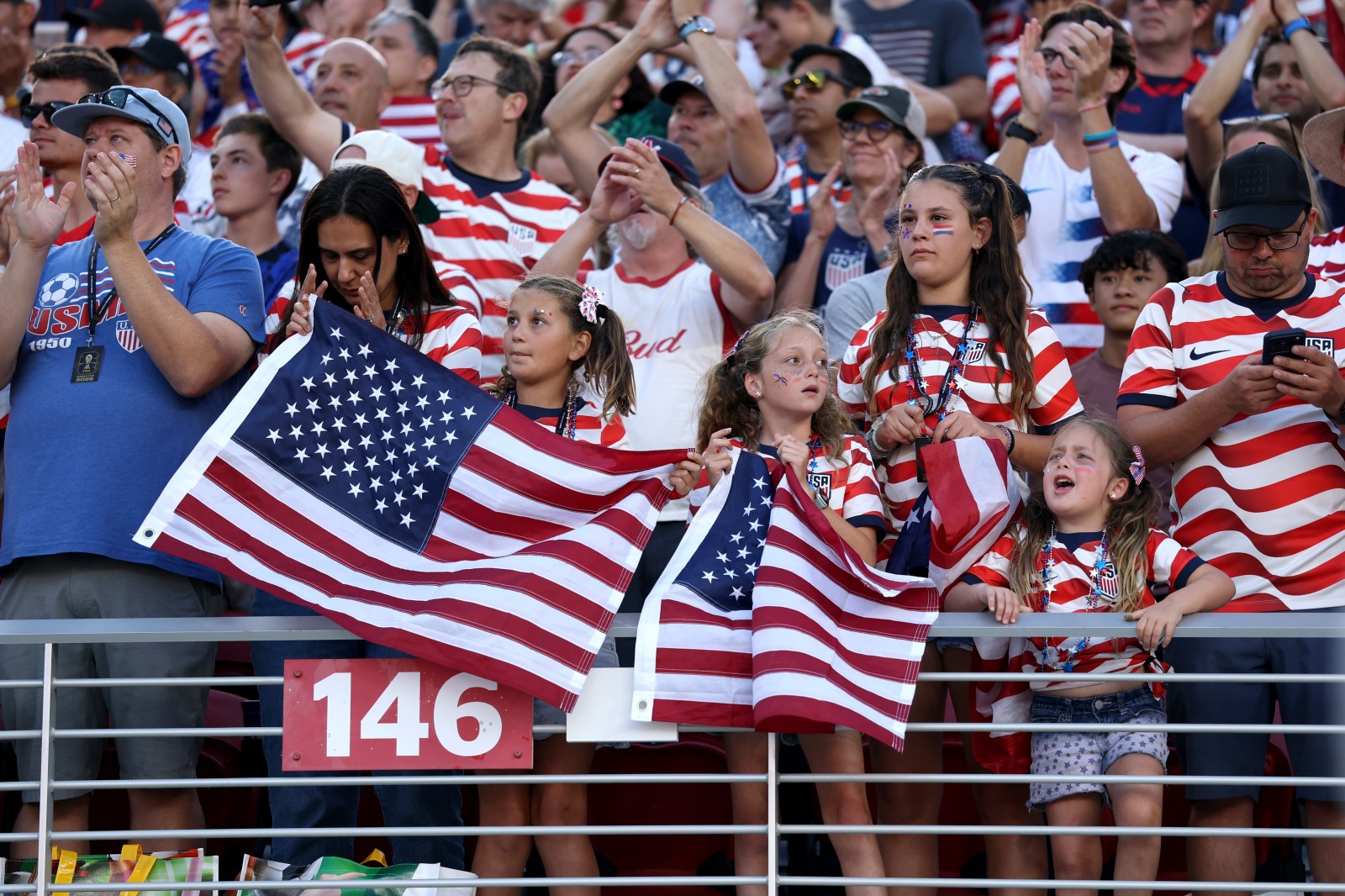
The FIFA World Cup recently concluded in the United States, bringing immense excitement and drawing visitors from around the world. This global event created an electrifying atmosphere characteristic of the world’s favorite sport. For fans, it marked a celebration, especially after 32 years since the last World Cup on U.S. soil. However, once the final whistle sounds and the festivities fade, a critical question arises: What remains for the children who cannot afford those expensive stadium seats?
Impact on Communities
Major sporting events typically benefit thriving communities. New infrastructure often emerges in bustling downtown areas and tourist zones. Economic investments concentrate in hotels, restaurants, and venues in prosperous neighborhoods, leaving less fortunate areas untouched. Moreover, the cost of game tickets is prohibitive for most Americans, including those living near the stadiums. Underserved communities often feel sidelined by a celebration they helped fund but weren’t invited to.
In fact, these communities are four-and-a-half times more likely to lack recreational facilities compared to wealthier areas. The financial burden of participating in soccer remains high, with families facing costs around $3,000 for a child to play ten games. Soccer should be the people’s game, but accessibility remains a significant issue.
Building Lasting Legacy
True investment is necessary to ensure children have the chance to engage in soccer. The U.S. Soccer Foundation, established after the 1994 World Cup, aims to promote the sport in communities needing it most. Following the 1994 event, US Youth Soccer registration increased from approximately one million to over three million players by 2006.
Soccer offers children more than just a game. On mini-pitches, kids develop trust, conflict resolution skills, leadership qualities, and resilience. These spaces foster discipline and provide invaluable experiences, enhancing not only physical health but also social and emotional well-being, academic engagement, and life outcomes.
Witnessing these changes firsthand, my family has collaborated with the U.S. Soccer Foundation to construct mini-pitches in Laredo and Austin, Texas. These facilities quickly became vital community assets. The foundation has installed over 850 mini-pitches nationally, aiming for 1,000 by 2026, benefiting 6.5 million children who now live within a 10-minute walk of one.
Future Prospects
The progress is tangible, but further effort is required. Without expanded access in underserved areas, the World Cup will miss a significant opportunity. Some leaders have embraced this vision. New York Governor Kathy Hochul initiated a $6 million NY Kicks campaign, leveraging World Cup momentum to fund community soccer fields in disadvantaged neighborhoods. Houston’s host committee has implemented the FREEKICKS Soccer program, refurbishing pitches and awarding scholarships to unprivileged kids.
At the national level, Senator Todd Young supports bipartisan legislation for upgrading youth sports facilities. This model should be considered by every host city, governor, and mayor.
While the World Cup’s legacy window closes quickly, there is a chance to direct financial resources toward communities that will never host a match. Soccer’s enduring impact lies not in stadiums but in empowering children in forgotten neighborhoods, teaching them that this game is for them too.
The FIFA World Cup visited America. Now, the challenge is making the sport accessible to every American child.
Carlos Zaffirini serves on the board of the U.S. Soccer Foundation, working to provide underserved communities with innovative play spaces and soccer programs that nurture potential, well-being, and hope among youth.
The opinions expressed are the author’s own.