
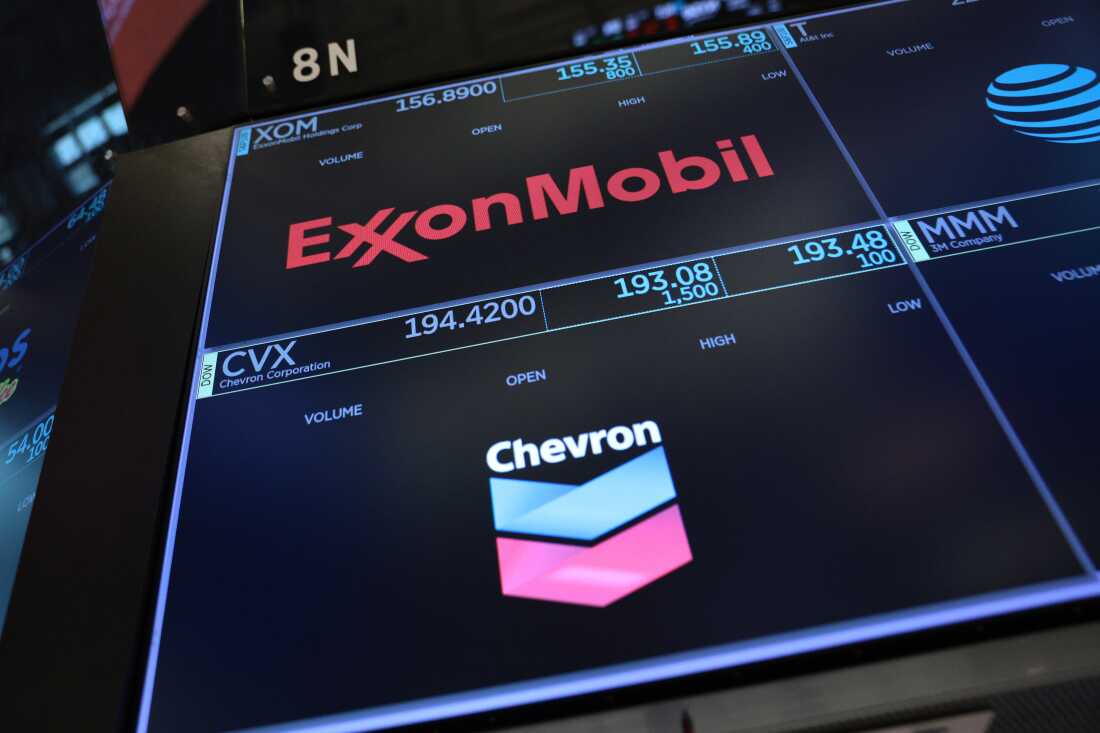
During morning trading on July 24, the logos for ExxonMobil and Chevron were prominently displayed on the floor of the New York Stock Exchange. These companies are experiencing substantial financial success as evidenced by Chevron’s announcement of its highest quarterly earnings ever and Shell’s record-setting second-highest quarterly profits. Although ExxonMobil’s profits were below Wall Street expectations, they doubled compared to this time last year.
Combined, these three companies generated approximately $404 million in profits daily over the last three months. This impressive financial windfall is sparking discussions among European lawmakers and U.S. Congress Democrats about implementing windfall taxes on such substantial profits. The idea of taxing these earnings is gaining traction due to geopolitical tensions affecting global crude and refining markets.
The Impact of Geopolitical Conflicts on Oil Prices
The ongoing conflict involving Iran has severely disrupted the Strait of Hormuz, a crucial route for crude oil exports, with only five ships confirmed to have transited the strait recently. Some Middle Eastern oil is reaching markets through alternate routes, but new threats could further impede these channels.
Moreover, the Middle East conflicts have halted the export of refined fuels like gasoline, jet fuel, and diesel. Attacks on Russia’s oil-refining infrastructure by Ukraine have exacerbated the fuel shortages globally, resulting in increased fuel prices. Consumers are feeling the pinch as higher fuel prices trigger price increases across the board.
Oil Companies’ Record Profits
Exxon reported $14.5 billion in profits this quarter, Chevron announced $12.1 billion, and Shell posted $9.8 billion. Despite disruptions in Middle East operations, Exxon and Shell managed to achieve these profits due to higher crude prices and refining margins that countered the operational disturbances.
Proposals for Windfall Taxes
In response to soaring oil profits, Sen. Sheldon Whitehouse, D-R.I., has proposed a windfall tax in the U.S., while some European countries are discussing similar measures. The United Kingdom already enforces such a tax. This approach aims to redirect excess profits stemming from external factors toward consumers facing elevated energy costs, not through company innovation or exceptional performance.
Following Russia’s full-scale invasion of Ukraine in 2022 that led to price surges, the European Union implemented a windfall tax on oil profits. However, during a recent earnings call, ExxonMobil CEO Darren Woods criticized windfall taxes as “misguided policy,” arguing that they unfairly penalize businesses capable of succeeding amidst industry volatility.
Exxon has previously canceled planned European investments due to a windfall profits tax and is now pursuing legal action, disputing the taxation as an improper industry seizure.
Strengthening Financial Stability
Executives remain uncertain about the duration of current oil scarcity and elevated profits. Chevron CEO Mike Wirth expressed uncertainty on the timeline for resolving issues in the Strait of Hormuz. While the companies anticipate short-term financial gains, they predict the imbalance won’t persist indefinitely.
Exxon’s Woods emphasized the crucial nature of Middle Eastern oil for global economic stability and expects a resolution. Consequently, major oil companies are refraining from initiating extensive drilling projects to satiate current demand, considering the imbalance temporary.
Instead, these companies focus on financial fortification by paying down debt and pursuing long-term disciplined growth in new oil fields over decades rather than short-term gains through dividends and buybacks.