
D-Day Landing Beaches and Mount Olympus Among New Additions
World War II’s D-Day landing beaches in northern France and Mount Olympus in Greece have been added to the World Heritage List. This decision was made at a U.N. committee meeting in South Korea, where numerous nominations were reviewed.
The UNESCO committee meeting in Busan has inscribed other significant sites such as the ancient Japanese capitals of Asuka and Fujiwara and South Sudan’s Boma-Badingilo Migratory Landscape. These represent diverse cultural and natural heritage values.
Normandy Beaches: Preserving History
The new French designation includes the five Normandy landing beaches: Omaha, Utah, Sword, Gold, and Juno. These sites were crucial during the Allied operation on June 6, 1944. The designation covers German fortifications and bomb-scarred landscapes, Allied harbor structures, and sunken vessels.
International Council on Monuments and Sites (ICOMOS) highlighted the need for stronger preservation efforts. These sites face potential risks from tourism, climate change, and nearby wind farm developments.
Ahlem Gharbi, France’s permanent delegate to UNESCO, emphasized the Normandy landings’ role in shifting from global conflict to peace. Historian David Edgerton noted its significance as a historical turning point.
Mount Olympus: Myth and Nature
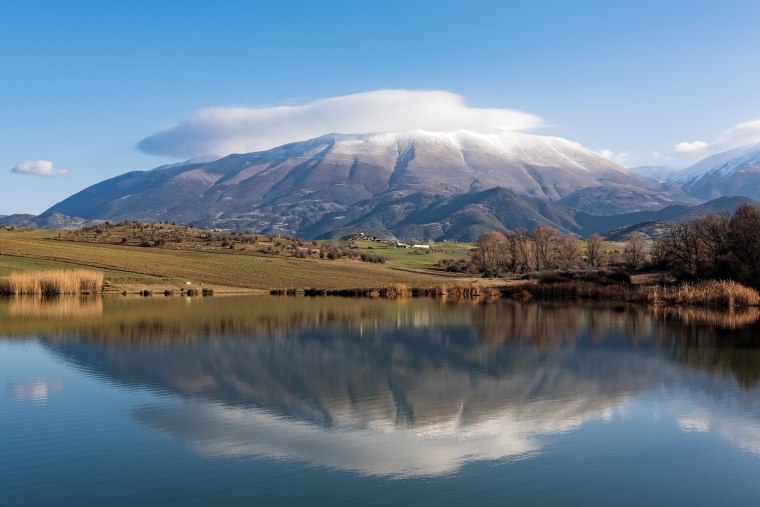
Mount Olympus, the highest peak in Greece, secured recognition as a mixed cultural and natural heritage site. Known as the mythical home of the 12 Olympian gods, it stands 2,918 meters tall and hosts rich biodiversity.
Georgios Koumoutsakos, Greece’s delegate to UNESCO, promised to protect Mount Olympus for future generations. Increased tourism following the designation poses challenges for conservation efforts, according to local authorities.
Ancient Japanese Capitals: A Cultural Legacy
The designation of Japanese sites covers 19 archaeological locations from the ancient capitals of Asuka and Fujiwara. These served as the basis for Japan’s first centralized state, inspired by Chinese models, influencing later capitals like Nara and Kyoto.
Japanese Vice Culture Minister Shigeki Kobayashi expressed gratitude for the inclusion. The sites preserve royal palaces, government offices, temples, and tombs from the 6th to 8th centuries.
Professor Yoshiyuki Aihara from Nara University pointed to the importance of these sites in understanding ancient state formations. Excavation efforts continue despite challenges in conveying this history to visitors.
Boma-Badingilo Migratory Landscape: A Natural Wonder
South Sudan’s Boma-Badingilo site is a vast landscape supporting one of the largest land mammal migrations. It is home to around 6 million animals and various ethnic communities relying on traditional practices.
These wetlands and savannas are vital for elephants, lions, cheetahs, and other wildlife. The designation aims to protect these habitats and support sustainable community livelihoods.