
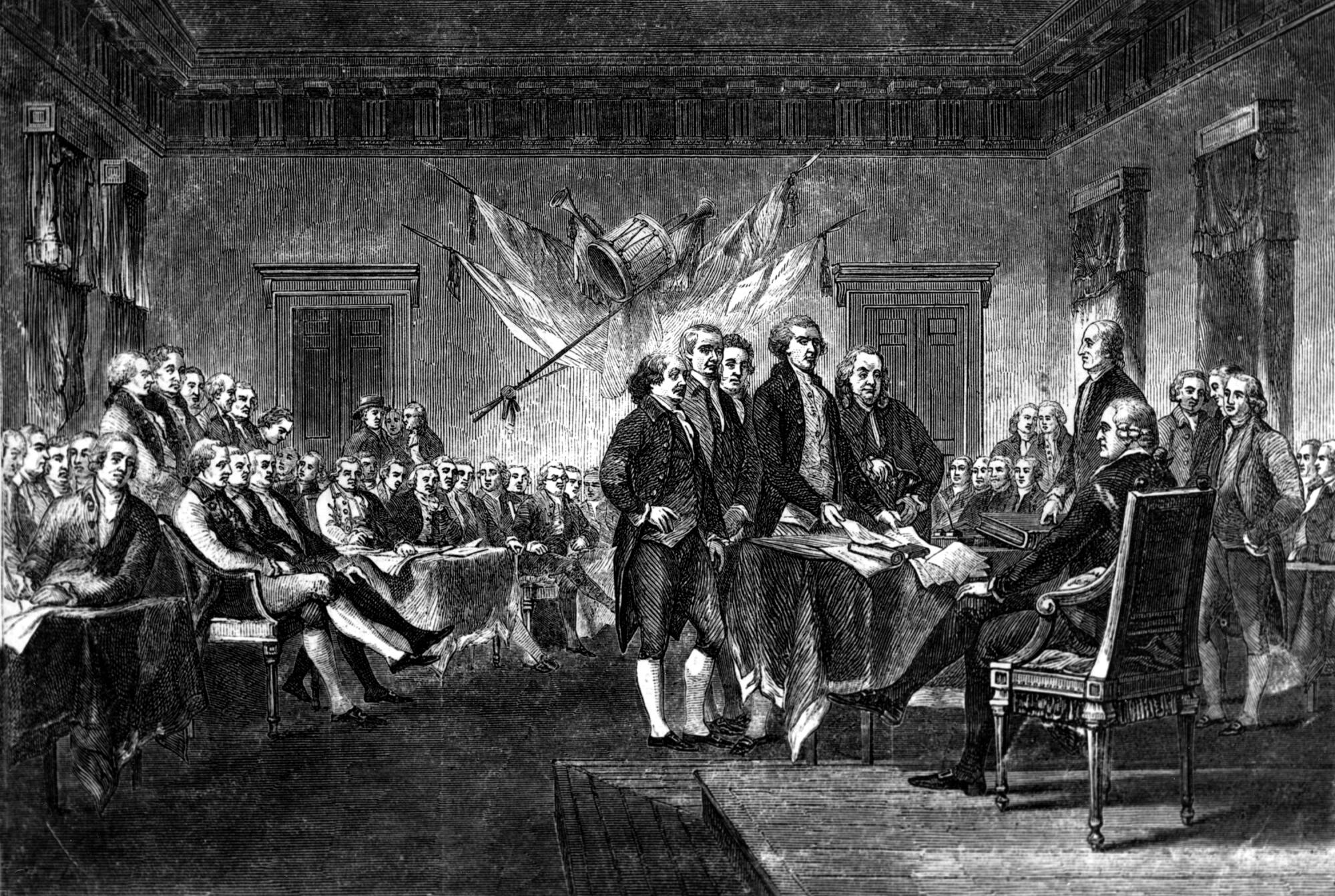
While the original thirteen American colonies celebrated their newfound independence in 1776 back East, significant developments were also taking place on the West Coast. In California, Spanish missionaries were expanding their presence, establishing missions that planted the seeds for future changes in the region.
Spanish Missions in California
In 1776, Spanish settlers in San Francisco Bay celebrated the first mass for what would become Mission Dolores, marking the beginning of their permanent imprint. The mission system sparked a transformation for Native American communities, like the Ohlone, as Spanish conversion efforts brought significant, often detrimental changes to their lives.
Spanish Influence on California’s Early Constitutions
Roughly 75 years after the establishment of early settlements, Californians drafted a constitution that reflected Spanish and Mexican legal traditions. It outlawed slavery, offering more progressive perspectives in comparison to its Eastern counterparts. This was pivotal as it influenced California’s admission to the Union as a free state in 1850, reshaping the national debate on slavery.
Unique Property Rights for Women
California’s 1849 constitution included advanced laws for married women. Unlike the original U.S. Constitution, it acknowledged a wife’s property rights, an aspect derived from Iberian legal traditions. This represented a stark contrast to English law, where a married woman’s legal identity and rights were subsumed by her husband.
Complex Racial and Ethnic Dynamics
In early California, definitions of race and identity were fluid, reflecting diverse backgrounds from Mexican and Spanish intermarriages. These complexities influenced voter rights, blurring racial lines that were rigidly enforced in other parts of the United States. This nuanced understanding of identity persists today in broader discussions of race and ethnicity.
Water Rights and Resource Management
California adopted distinct water rights practices from Spanish and Mexican laws, emphasizing efficient water use due to the region’s variable climate. Known as riparian rights, they allowed landowners access to water flowing through their property, a principle adapted to meet the needs of new settlers during the Gold Rush.
In summary, California’s early legal frameworks contributed significant ideas to the development of American laws and principles, reflecting cultural diversity and progressive views. These ideas continue to influence modern legal contexts across the U.S.