
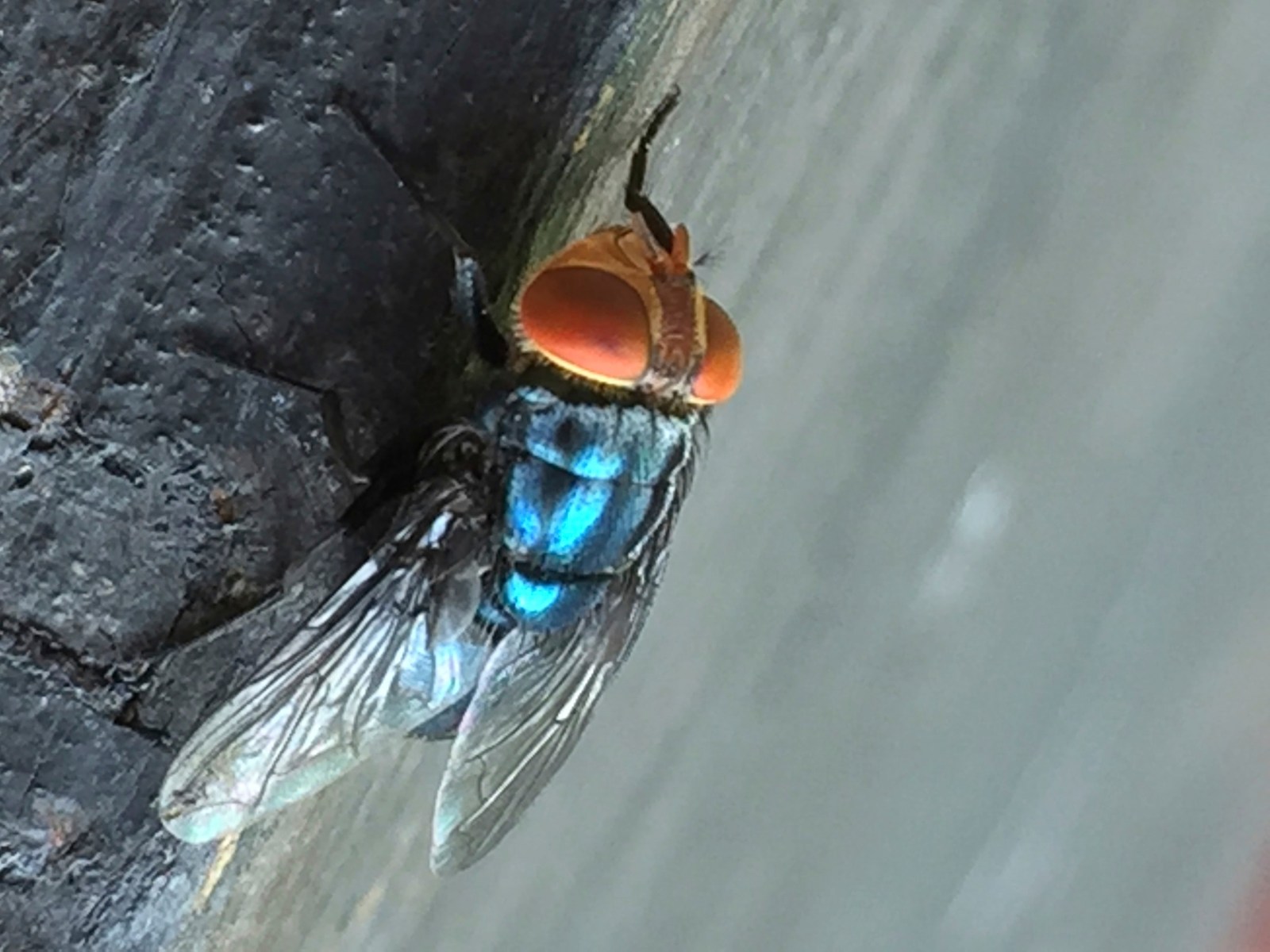
Emergence of New World Screwworm in Texas
In Texas, a second instance of New World screwworm, a flesh-eating parasitic fly, has been identified in a calf. Canada has responded with a temporary ban on livestock imports from the affected region. The U.S. Department of Agriculture (USDA) reported the detection in Zavala County, close to a prior screwworm case near La Pryor. USDA’s Animal and Plant Health Inspection Service (APHIS) confirmed the new case after testing suspect samples. They continue testing others, which have been negative, and have set up a quarantine zone restricting animal movement without inspection.
Efforts to Prevent Screwworm Spread
The parasite resurged in Mexico in 2024 after years of containment in Panama. Texas, critical to the cattle industry with $17 billion in cattle value, faces a significant economic risk from a potential outbreak. Texas Governor Greg Abbott expanded disaster measures, enabling state resources to facilitate sterile fly shipment and the construction of a fly facility to disrupt the screwworm reproductive cycle. Governor Abbott expressed confidence in eradication efforts.
Canada’s Livestock Import Restrictions
Canada has halted livestock imports from Texas. The Canadian Food Inspection Agency (CIFA) specified that animals from Texas within 21 days of arriving at the border are banned. The agency noted screwworm larvae pose a threat to host animals. Despite Canada’s inhospitable climate for long-term screwworm establishment, summer conditions allow temporary survival. The agency advised vigilance for screwworm symptoms in livestock such as non-healing and foul-smelling wounds.
Understanding Screwworms
The New World screwworm, a parasitic fly, targets living tissue of warm-blooded animals. Female flies lay eggs in wounds or body openings, resulting in maggots that consume healthy tissue. This parasite is hazardous mainly to livestock but can affect wildlife, pets, and rarely humans.
Screwworm Spread and Symptoms
Screwworms spread via infested animals’ movement. Livestock trade and animal migration can facilitate its spread. Symptoms in animals include painful, non-healing wounds emitting foul odor, visible larvae, and distress. Human cases, although rare, involve painful skin lesions. Untreated cases can result in severe complications.
Monitoring Pets for Screwworms
Pets such as dogs and cats can be affected. Screwworm flies are attracted to wounds, laying eggs that hatch quickly. Signs include worsening wounds, pain, swelling, odor, discharge, and visible larvae. Prompt veterinary inspection and treatment are crucial, especially for animals from high-risk regions. Sally DeNotta, an infectious disease expert, advises owners to check for prolonged wound healing and maggot presence, urging immediate veterinary contact if symptoms appear.