
The CEO of America’s largest school choice advocacy organization, Tommy Schultz, warns Democrats against abolishing universal school choice programs. Doing so, he believes, could provoke significant voter backlash in the 2028 elections.
Schultz highlights the situation for lower-income, single parent families who benefit from such programs. He states these parents might shift allegiance if their children lose access to preferred private or homeschool options. They would potentially become single-issue voters in the next electoral cycle, voting against those who curtail these opportunities.
Democratic Gains and Policy Shifts
Recent Democratic victories in midterm elections have placed Republican education policies under scrutiny. Notably, these policies include universal school choice and parental rights. States, led by Republican governors, enacted these laws amidst debates over public school performance post-COVID-19.
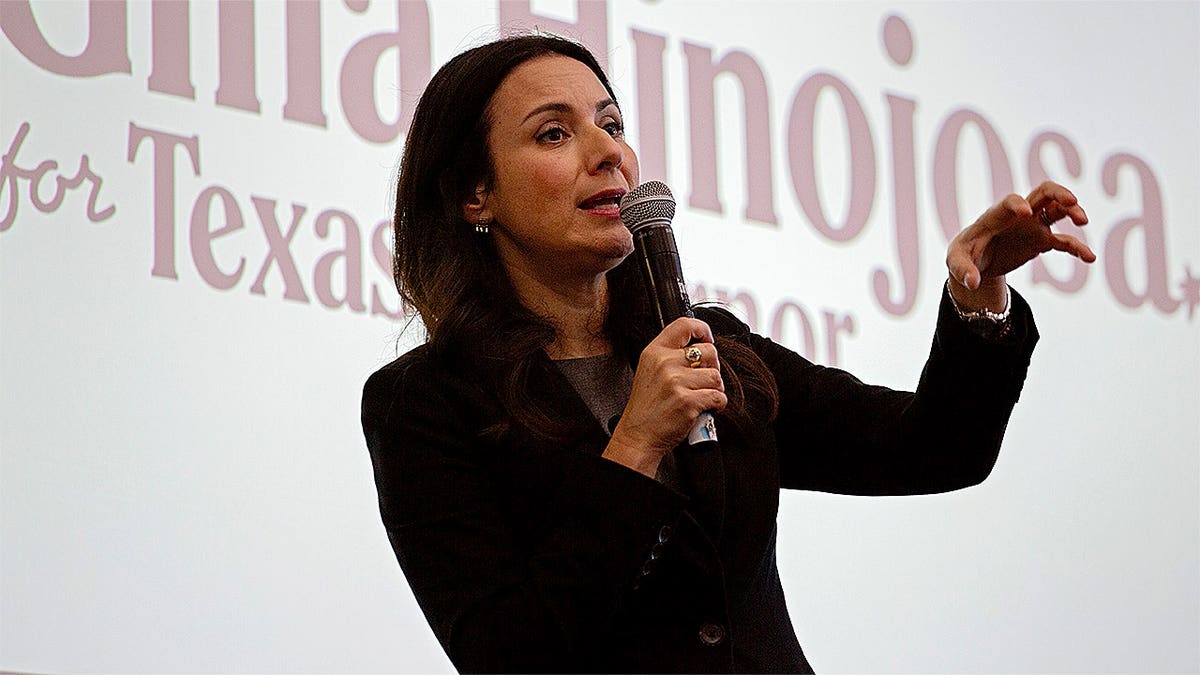
In Texas, Democratic Governor-elect Gina Hinojosa plans to reverse school choice expansions. Her victory speech emphasized reclaiming children’s education from ineffective governance, promising not to close schools under her administration.
School choice debates arise as urban school districts face enrollment changes. The Houston Independent School District, for instance, voted to close 12 campuses due to declining student numbers.
Hinojosa also criticized the Texas voucher system, labeling it detrimental to public schools. She promised decisive actions once she assumes office, which includes replacing the Texas Education Agency Commissioner.
Nationwide Implications and Activism
Democratic wins in states like Iowa, Georgia, and Nevada also threaten school choice programs. Schultz forecasts increased parental rights activism if these programs face rollback. Conservative victories have already occurred in school board elections, supported by action committees like the American Principles Project and the 1776 Project PAC.
School board meetings have become stages for debates on public education and parental rights since the pandemic began. Schultz anticipates more grassroots protests should school choice diminish.
Parental Rights Movement
Republican governors have responded by enacting parental bills of rights. Analysts attribute these policies to election successes for figures such as former Virginia Governor Glenn Youngkin and Florida Governor Ron DeSantis, who have successfully campaigned on these platforms.
Schultz points out that in previous elections, school choice advocates played crucial roles in tight races, highlighting the potential influence on future elections.