
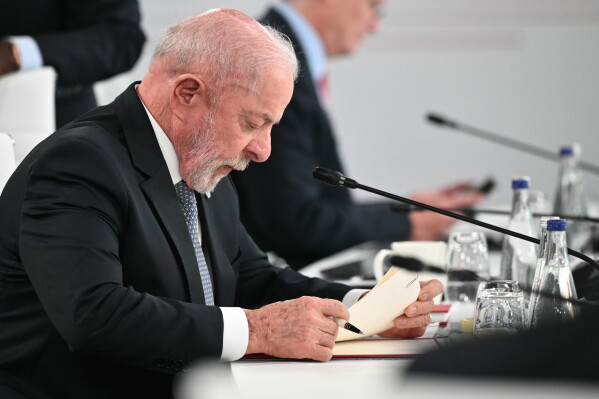
Rubio’s Global Initiative to Address Left-Wing Political Violence
Secretary of State Marco Rubio gathered leaders from over 60 countries last Thursday to participate in the Trump administration’s efforts to address what it labels “left-wing” political terrorism. This initiative is a key focus for Republicans as they prepare for the midterm elections. Despite studies indicating few instances of left-wing political violence compared to far-right incidents in the U.S., American officials warn of an impending rise.
Rubio painted a bleak picture of the future if these “communists and Marxists” aren’t confronted. He emphasized the need for global cooperation, addressing what he views as a blind spot in counterterrorism strategies. He criticized those who dismiss violence linked to left-wing causes as legitimate political expression.
“A bomb from a neo-Nazi is labeled evil. Yet, a Marxist’s bomb is seen as excessive idealism,” Rubio stated.
Report Findings and Context
A report by the Center for Strategic and International Studies noted that, as of July 4, 2025, left-wing terrorism had for the first time in 30 years surpassed incidents from the far right. However, analysis of this data reveals significant changes: the rise in left-wing incidents started from a low base, while right-wing violence simultaneously declined.
In past decades, right-wing attacks drastically outnumbered those by the left. From 1994-2000, there were 0.6 left-wing incidents annually compared to 20.6 right-wing ones. Between 2016-2024, left-wing incidents averaged four per year, while those on the right averaged 22.7 annually. As of early July 2025, only one right-wing incident was recorded, compared to five from the left. The report stresses the need to combat terrorism from both political extremes.
Republican Focus Pre-Midterms
President Donald Trump and his allies have centered their campaigns around opposing the far left as midterms approach. Trump has described Democrats as communists seeking to destroy American traditions, even suggesting they could consider assassinations. Vice President JD Vance and House Speaker Mike Johnson have echoed these sentiments, highlighting a perceived shift toward radicalism.
Rubio attributes his stance to personal history. His family fled Cuba shortly before Castro’s communist regime took power, shaping his views on leftist ideologies. Stephen Miller, Trump’s deputy chief of staff, urged strong defense against what he sees as threats from the left. He compared the ideological fight to defending one’s home from invaders.
Efforts to Counter Leftist Organizations
The administration conflates democratic socialism—focused on policies like universal healthcare—with communism, which seeks to eliminate private ownership. This focus intensified after democratic socialist Zohran Mamdani became NYC mayor, spurring victories from like-minded candidates.
A key strategy has been imposing sanctions. In November, the State Department classified four European antifa groups as foreign terrorists. Treasury Secretary Scott Bessent advocated targeting these groups financially to disrupt their activities. Later, Rubio introduced a policy to restrict visas for individuals linked to these groups, including those offering financial or logistical support.
Bessent emphasized using sophisticated financial counterterrorism tools developed over decades against emerging threats domestically.