
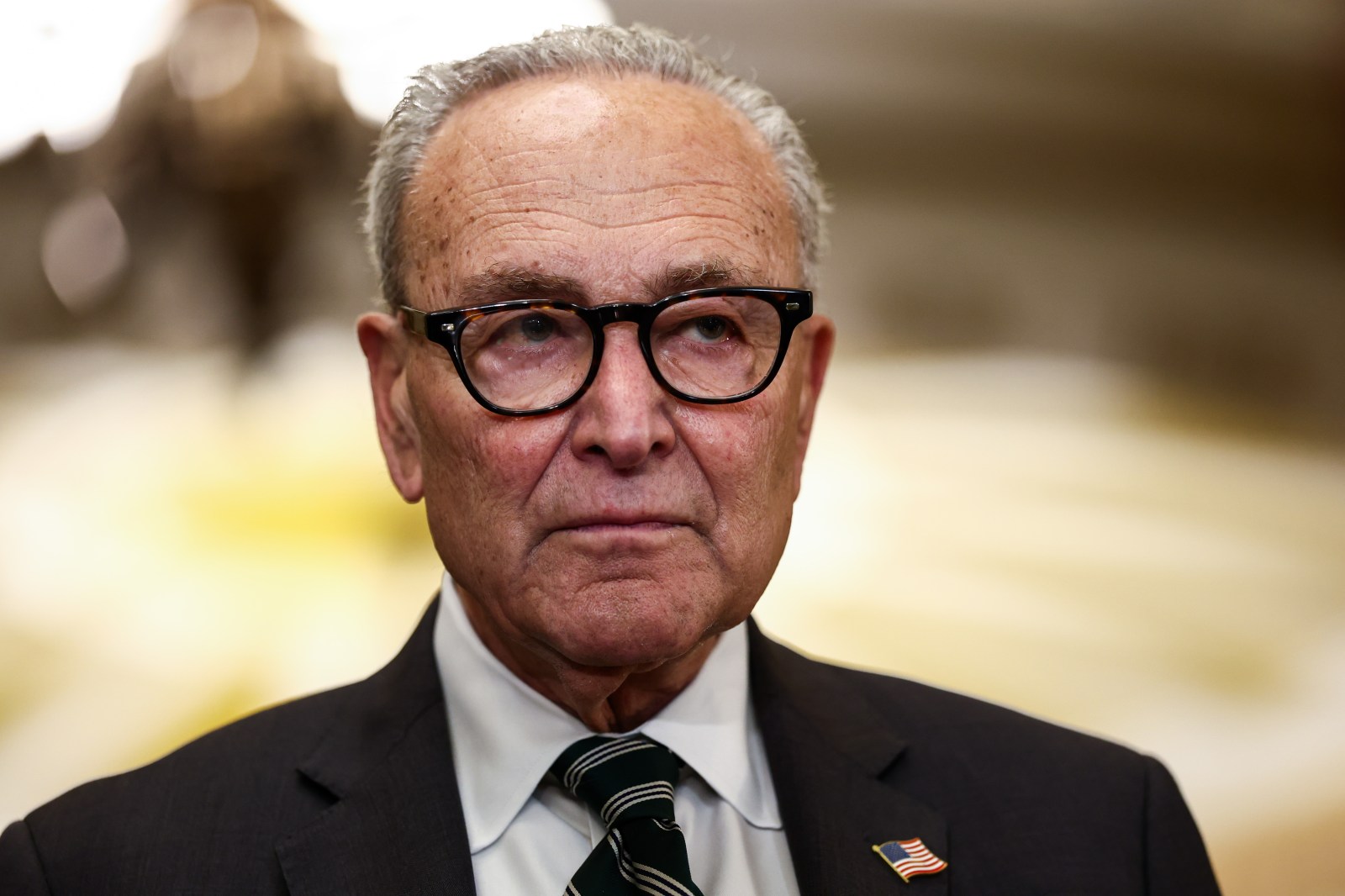
Senate Minority Leader Chuck Schumer is currently facing increased public opposition, which is regarded as the most significant challenge of his congressional career. An increasing number of Democratic Senate nominees and incumbent senators are expressing that Schumer should not continue his leadership role in the party following November’s elections.
Democrats Opposing Schumer’s Leadership
Among those calling for change is Peggy Flanagan, who recently won the Democratic Senate nomination in Minnesota. After her primary victory, Flanagan stated that Democrats require a ‘progressive champion’ to steer the Senate forward, and she does not believe Schumer embodies that role.
Key Figures Against Schumer
- Peggy Flanagan, Minnesota Senate nominee
- Abdul El-Sayed, Michigan Senate nominee
- Juliana Stratton, Illinois Senate nominee
- Troy Jackson, Maine Senate nominee
- Elissa Slotkin, Michigan senator
- Seth Moulton, Massachusetts congressman
Schumer’s Reaction
Schumer has largely dismissed the criticisms. In 2025, when asked about his low approval ratings, he remarked to CNN’s Manu Raju that ‘polls come and go’ and emphasized party unity. He has not revealed his plans regarding a potential sixth-term bid in 2028.
Despite opposition, Schumer praised El-Sayed’s dynamic campaign in Michigan. He predicted Democratic success in reclaiming the Senate. In Maine, Schumer allied with Jackson, affirming a collaborative effort to defeat Republican Susan Collins and regain Senate control.
Escalating Criticism
In March 2025, when Schumer supported a Republican-backed funding bill, criticism from Democrats intensified, accusing him of capitulation. An emerging divide became apparent during a prolonged government shutdown, blamed partly on Schumer’s strategies.
By 2026, the dissent spread from advocacy groups into the candidate ranks. Progressive and populist candidates began winning primaries, campaigning against Schumer’s leadership. Candidates such as Stratton, El-Sayed, and Flanagan highlighted this shift.
Statements from Leading Democrats
Peggy Flanagan regarded Chris Van Hollen from Maryland as a promising contender for Senate majority leader due to his progressive stance.
Abdul El-Sayed explicitly endorsed Van Hollen for the leadership position, stressing this choice during campaign events.
Juliana Stratton made clear her opposition to Schumer during debates, setting a precedent among her peers.
Troy Jackson suggested Bernie Sanders as his ideal leader but acknowledged its improbability, noting current collaboration with Schumer in Maine.
Seth Moulton emphasized the need for new leadership, challenging incumbent Ed Markey and criticizing Schumer’s prolonged tenure.
Elissa Slotkin advocated for significant change, noting outdated models and calling for adaptability in leadership.
Polling and Future Challenges
Recent polls reveal Schumer’s declining popularity. A CNN poll recorded a 17% favorability rating, with 44% unfavorability. Marist and Siena College polls showed similar results, with New York voters grading his performance poorly.
Calls for Schumer’s removal increased within the Democratic Party. An Echelon Insights survey found only 24% favored Schumer’s continuation, contrasted by a Politico poll where 47% of likely Democratic voters suggested he should step down from leadership.
Potential Successors
Schumer has not disclosed intentions regarding a 2028 Senate run. Chris Van Hollen remains a favored successor for progressives. Other potential candidates include Senator Brian Schatz, Cory Booker from New Jersey, and Connecticut’s Chris Murphy.
In a broader scope, Alexandria Ocasio-Cortez remains a speculative challenger for Schumer’s seat. The decision on leadership will rest on a secret-ballot vote in the Senate Democratic caucus, where Schumer benefits from his incumbency and established relationships.