
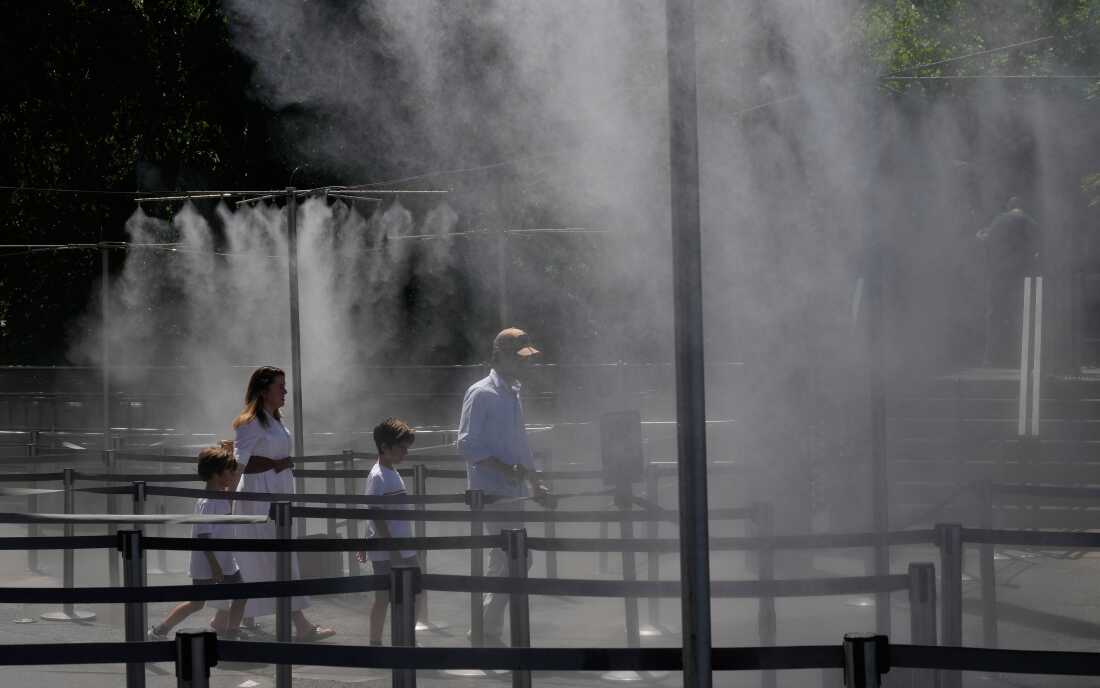
Millions in France are enduring another round of extreme heat, with the national weather service, Meteo France, issuing a red alert for 54 departments. These intense temperatures, exacerbated by climate change, continue to affect daily life.
The Current Situation
The heat wave is causing significant disruptions across the country, impacting schools, transportation, and sporting events. Many areas, including Rennes, are experiencing temperatures above 40 degrees Celsius, with some reaching as high as 43 degrees Celsius. The lack of widespread air-conditioning compounds the discomfort and danger of these conditions.
Sadly, the extreme weather has already resulted in around 20 drowning deaths since the weekend. The ongoing heat wave shows no immediate signs of relief, expected to last throughout the week.
Historical Comparisons
Current conditions are being compared to the devastating August 2003 heat wave, which led to an estimated 15,000 deaths. In response, France established a heat watch warning system, aiming to prevent similar tragedies.
The heat wave arrives early in the summer, highlighting the increasing unpredictability of weather patterns due to climate change.
Climate Concerns for Europe
Europe continues to warm at twice the global average, making it the fastest-warming continent. According to the European Union’s Copernicus Climate Change Service, over 200,000 heat-related deaths occurred in the past four years, many of which were preventable.
Scientists warn that climate change is not only making heat waves more frequent and severe but also increasing the risk of wildfires and health issues, especially in southeastern Europe.
Global and Local Impacts
The European Union monitoring agency noted that 2024 marked the hottest year on record, reflecting a troubling global trend. The region continues to experience an increased number of heat stress days, which contribute to health complications like heat stroke.
These challenges emphasize the need for urgent efforts to address climate change and adapt to its impacts, as lives and livelihoods are increasingly at risk.