
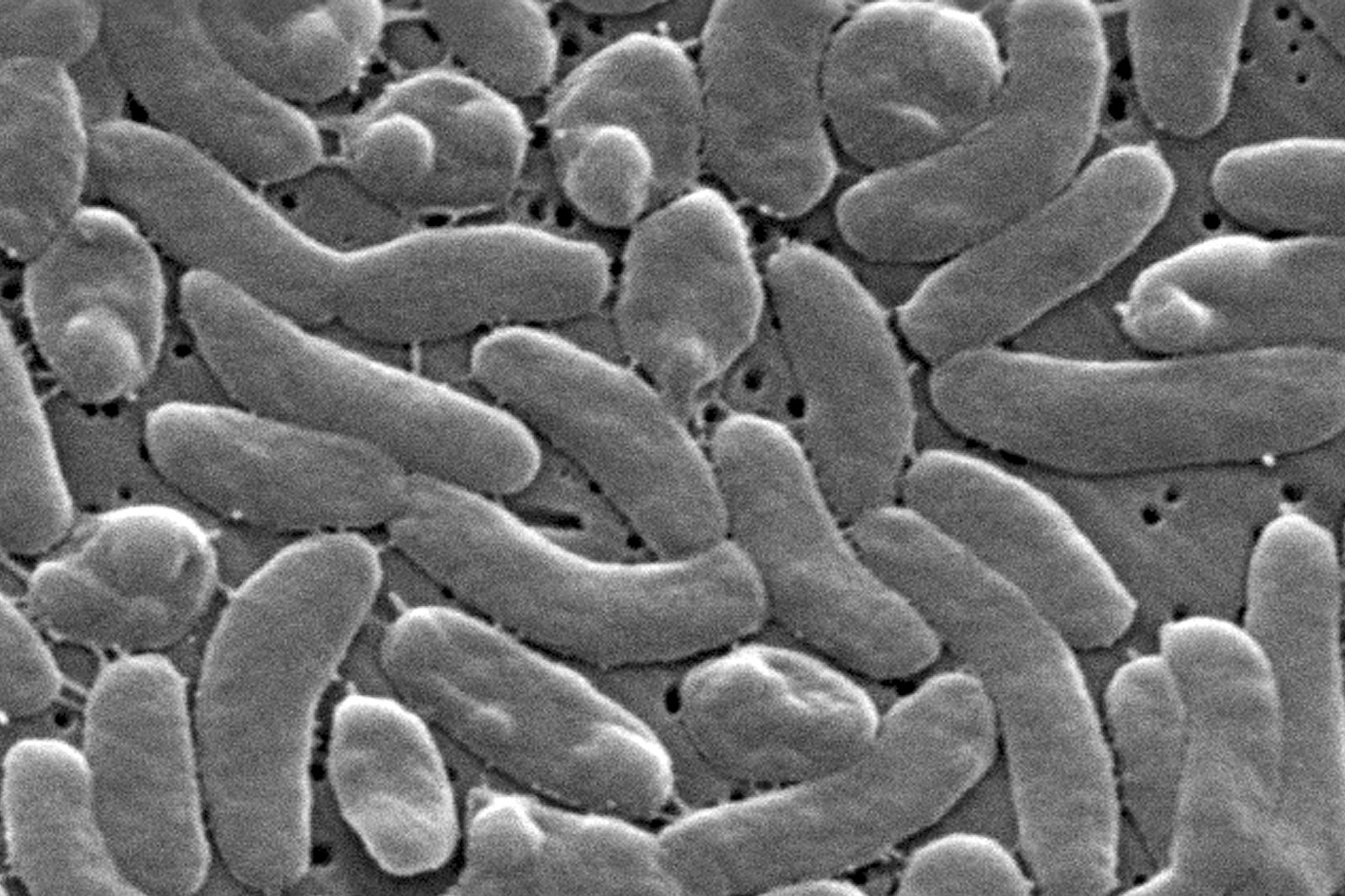
This year, six fatalities have been reported due to Vibrio vulnificus infections in Louisiana and Florida. The bacterium, known for its potential to cause severe infections, is raising concerns across several states.
Incidents in Louisiana and Florida
In Louisiana, the Department of Health reported nine cases of infection among residents in 2026, resulting in five deaths. This marks an increase compared to the average of seven cases and one death annually over the past decade. All nine cases were linked to wound exposure in seawater, and each patient had a pre-existing health condition. The state’s health officials have advised against exposing open wounds to saltwater or brackish water, especially in warmer months when the bacterium’s concentration increases.
Florida documented 12 cases, including one death, as reported by Fox 13 Tampa Bay. The fatal incident involved a Palm Beach County resident. This marked Florida’s first bacterium-related death in 2026.
The Nature and Spread of Vibrio Vulnificus
The bacterium exists naturally in coastal waters, with increased concentrations from May to October. Infection can occur through contact with contaminated water or consuming raw or undercooked seafood. The organism is sometimes labeled “flesh-eating” due to its potential to cause necrotizing fasciitis, where tissue around a wound dies. According to the Centers for Disease Control and Prevention (CDC), approximately 20% of those infected succumb swiftly, often within a couple of days.
Current Geographic Spread
Cases have also been reported in Alabama and Connecticut. Alabama’s first 2026 case was noted in April, though specific details about the patient or the infection’s severity remain unavailable. Mobile County had earlier issued a precaution in March, with the previous year recording 16 related cases.
Connecticut reported a case in February from contaminated oysters harvested externally. No link has been found connecting the cases across these four states.
Understanding Vibrio Vulnificus and At-Risk Populations
Vibrio vulnificus is among several Vibrio species responsible for vibriosis, differing from Vibrio cholerae, which causes cholera. It doesn’t spread from person to person. The United States records 150 to 200 cases annually. Prompt progression of infections can lead to life-threatening conditions.
Individuals with liver disease, cancer, diabetes, HIV, or those undergoing immune-suppressing treatments are more susceptible to severe complications. Recent stomach surgery or medication reducing stomach acid may also elevate risk levels.
Recognizing Symptoms and Treatments
Symptoms vary with infection type. Intestinal infection symptoms include diarrhea, cramps, nausea, vomiting, fever, and chills. Wound infections manifest through redness, pain, swelling, warmth, discoloration, and potential fluid discharge.
Infection reaching the bloodstream presents symptoms such as fever, chills, low blood pressure, and blistering skin lesions. Immediate medical attention is essential for any indication of a Vibrio infection. In mild instances, symptoms may resolve without antibiotics. Fluid replacement and antibiotics might be needed in severe or extended cases. Surgical intervention may be required for significant wound infections.
Early intervention is critical to prevent lethal outcomes.