
The attack at Berlin’s Pride Festival deeply affected Ali Darwich. To him, it threatened Berlin’s core values of diversity, tolerance, and freedom. As someone who is Muslim, gay, and a police officer, Darwich felt the attack targeted his identity.
Saturday night’s van ramming and stabbing near the festival resulted in one death and several injuries. Authorities suspect it was an act of Islamic extremism. The attacker, Abdul Ballout, a 21-year-old German citizen with Lebanese roots, was killed by police as he charged officers with a sharp object.
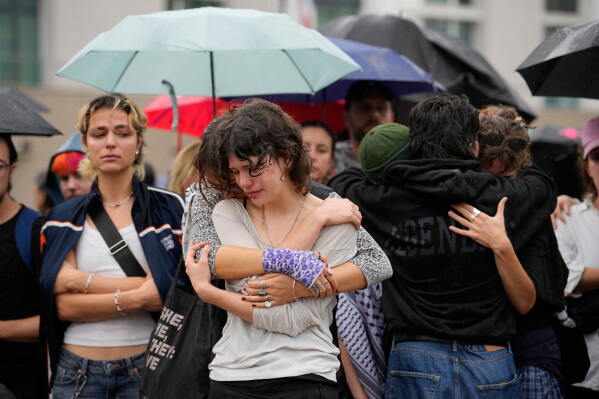
On the following day, Darwich joined others at Tiergarten park to honor the victims. They laid flowers and embraced each other, standing in disbelief by the van, which remained surrounded by police. Many like Darwich had been part of the Pride celebrations hours before, calling for equality and acknowledging rising hate crimes.
Recounting the previous evening, Darwich wore a rainbow shirt and carried a banner reading, ‘Why are some people afraid of love but not of hate?’ He was about to attend an afterparty when friends called to check his safety. Realizing the attack had occurred, he canceled his plans and returned home, filled with grief. By Sunday, the implications weighed heavily on him. He questioned his actions as a police officer, wondered about increased fear as a gay man, and considered further racism as a Muslim.
Born in Berlin with Lebanese and Palestinian heritage, Darwich feared the attack would deepen societal divides. Despite his despair, he hoped Berliners would unite and improve the community. Others at the vigil shared feelings of shock, anger, and resilience. Andre Lehmann, a leader at the national LGBTQ+ association LSVD+, emphasized the attack’s significance. He highlighted a sharp rise in anti-queer hate crimes in Germany and called for societal awareness.
Ashley Jump, a U.K. resident, had attended the Pride parade but left before the attack. Returning Sunday to place flowers at a memorial, Jump vowed resilience, stating, ‘They’ll never erase us, we’ll never be gone.’ Their words reflected the determination to persist despite adversity.