
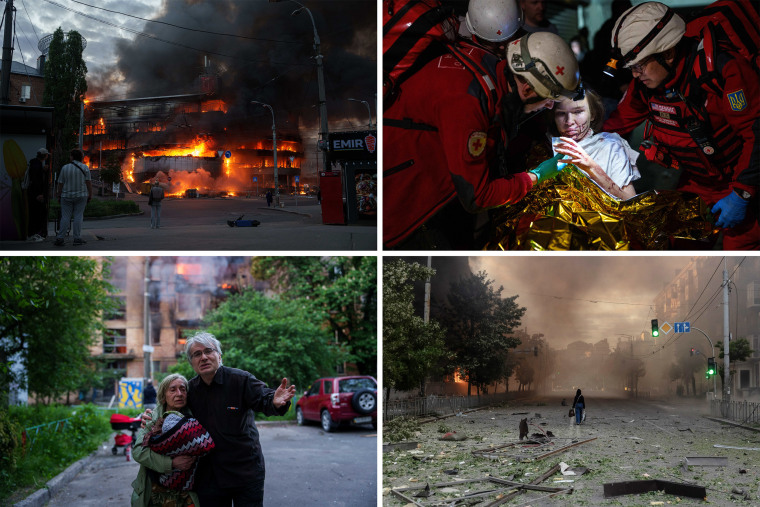
On May 26, 2026, Russia issued a stern warning to the United States and other countries with diplomatic staff in Kyiv. The message was clear: abandon the Ukrainian capital or face a new wave of intense attacks. Russia described these as ‘systematic strikes’ targeting Kyiv.
U.S. Secretary of State Marco Rubio confirmed receiving a personal warning from his Russian counterpart. Rubio reiterated Washington’s commitment to mediate in stalled peace talks aimed at ending the war.
In defiance, European countries rejected Russia’s call to leave Kyiv. They vowed to remain, characterizing the threat as a ‘sign of desperation.’ Diplomats from some European nations summoned Russian ambassadors to voice their protest. The escalation comes after a weekend of heavy bombardment on Kyiv, including the use of Oreshnik hypersonic missiles, the most intense seen since the four-year conflict began.
The new threats have left many Kyiv residents on edge. Lesia Homiak, 31, experienced a missile strike close to her home in the Podil district, leading her to seek shelter in her building’s basement. Her apartment suffered significant damage, necessitating major repairs.
Russia has issued a stark warning of more attacks, targeting military locations in Kyiv. Moscow threatens retaliation for a drone strike last week in the Russian-occupied Luhansk region, which allegedly resulted in 21 casualties. Ukrainian authorities refuted these claims, saying they targeted a military site nearby. Recent Ukrainian strikes deep into Russian territory have added pressure on the Kremlin.
Kremlin spokesperson Dmitry Peskov declined to specify the frequency of potential attacks. Meanwhile, Russian Foreign Minister Sergey Lavrov communicated the threat to Secretary Rubio, urging the evacuation of U.S. diplomatic personnel.
Efforts to negotiate peace have stalled, with U.S. diplomatic attention also focused elsewhere. Allies of the U.S., like the EU’s mission head in Kyiv, Katarina Mathernova, dismissed the Russian threat as ‘hypocrisy’ and refused to flee.
Residents in Kyiv, such as Homiak and her partner Andriy Klen, choose to remain despite the danger. They plan to use the subway for shelter during future strikes. The prospect of intensified attacks on Kyiv is met with approval by some Russian military bloggers, although their optimism remains unrealized.