
When Cynthia Cobb moved to Lake Hollywood in 2017, she and her husband wanted a home with a view. They chose a place with stunning views of the Hollywood sign. Initially, a few tourists visited a nearby park to snap pictures, but it wasn’t a problem. Traffic wasn’t an issue, mainly as locals frequented Lake Hollywood Park to walk their dogs.
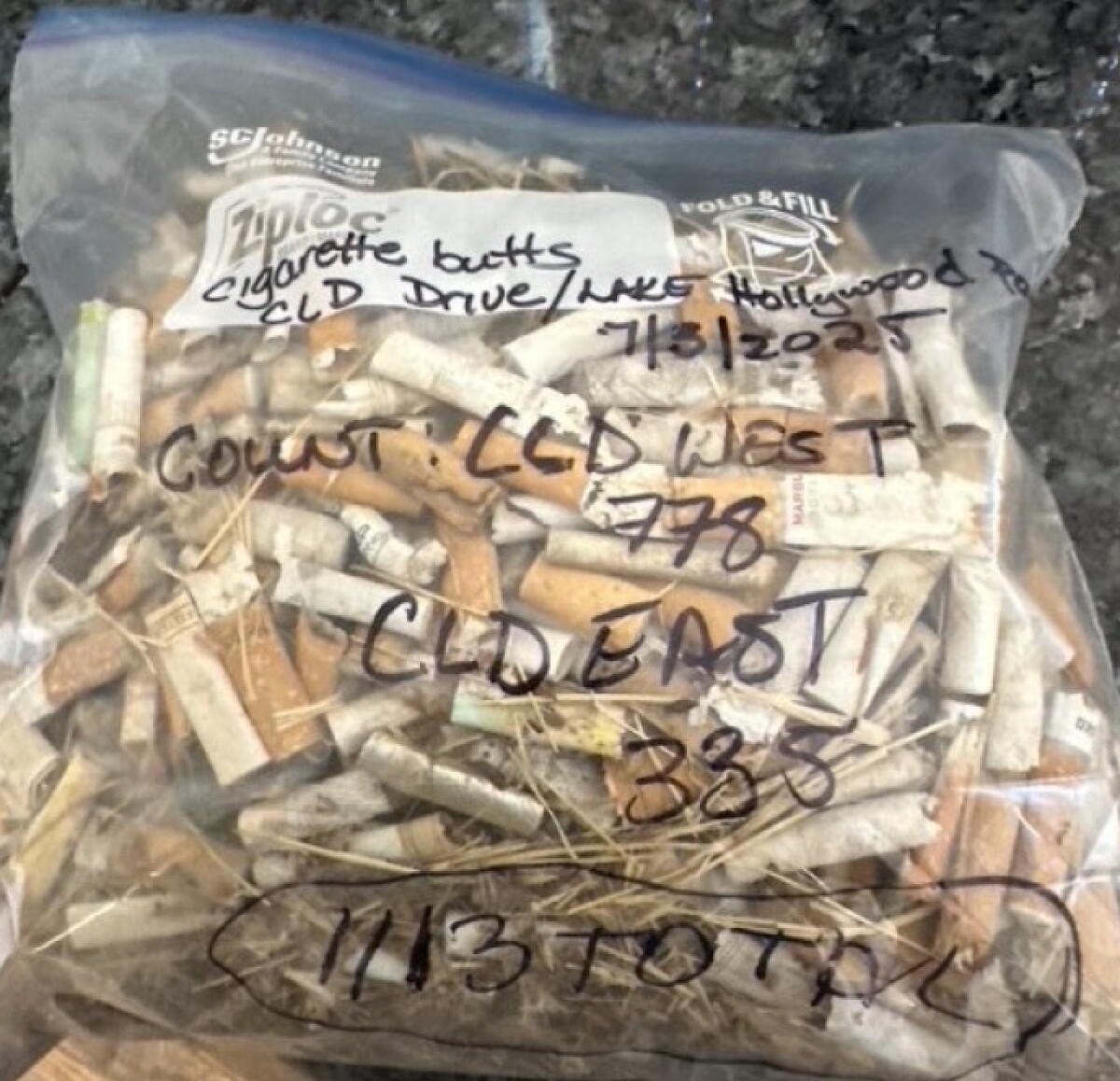
However, the situation changed after the pandemic, according to Cobb, a counselor at Hollywood High School. There was a surge in visitors blocking her driveway and ignoring parking regulations. She also noted that tourists smoked and discarded cigarette butts irresponsibly, even during high fire-risk days.
On Monday, residents near the Hollywood sign filed a legal complaint against the city of Los Angeles, Mayor Karen Bass, and Councilmember Nithya Raman. They demand action, stating that the city is responsible for nuisance conditions stemming from decisions made 15 years ago. A councilman had cleared brush to create a viewing spot, attracting more tourists. Residents claim the city has ignored their complaints over the years.
“They are at their wits’ end,” said attorney Ilan Wurman, representing about 100 residents in Hollywoodland, Lake Hollywood Estates, and Hollywood Knolls. He noted the residents have been negotiating with the city for over a decade.
Access to the Hollywood sign has been debated for decades. Unlike other attractions in L.A., the sign doesn’t accept visitors. Residents and officials disagree over street closures and hiking access points. Tourists argue that residents are blocking access to their selfies.
Wurman, a professor at the University of Minnesota, helped secure a legal decision in a public nuisance case regarding a homeless encampment in Phoenix. Residents were inspired by that case to seek legal action. The complaint argues that the city created a public nuisance by allowing the neighborhoods to become overcrowded, exacerbated by actions like clearing brush for a viewing site.
Wurman explained that locals have documented unsanitary behaviors among tourists, accusing the city of neglecting its duty to address the nuisance despite the crowds the amenity attracts.
In response, Bass’ office stated it hadn’t reviewed the lawsuit. It highlighted efforts by the Los Angeles Police Department (LAPD) to manage traffic and enforcement in the area. Raman’s office acknowledged the strain on local streets due to visitors and has supported adjustments to policing based on community inputs.
“Since May, our office has arranged and funded LAPD and LADOT deployments every Friday through Sunday until Labor Day, increasing ticketing and towing in the area,” a statement from Raman’s office said.
Residents are seeking an injunction, not financial compensation, urging the city to take necessary actions to relieve the nuisance. Potential solutions might include restricting tourist crowds similar to Paris or replanting vegetation at lookout points.
Cobb worries about holiday congestion, recalling past traffic extending drive times from eight to over 45 minutes. She fears a disaster akin to past fires, questioning emergency vehicle access if roads are blocked by traffic. Cobb often cleans up after tourists, noting that adding restroom facilities might address some issues but won’t alleviate traffic concerns.
The park was never intended as a major tourist destination, Cobb remarked, drawing a comparison to inadequate solutions for significant problems. Despite the challenges, she hopes the lawsuit prompts the city to act, expressing a desire to feel secure in her neighborhood again.