
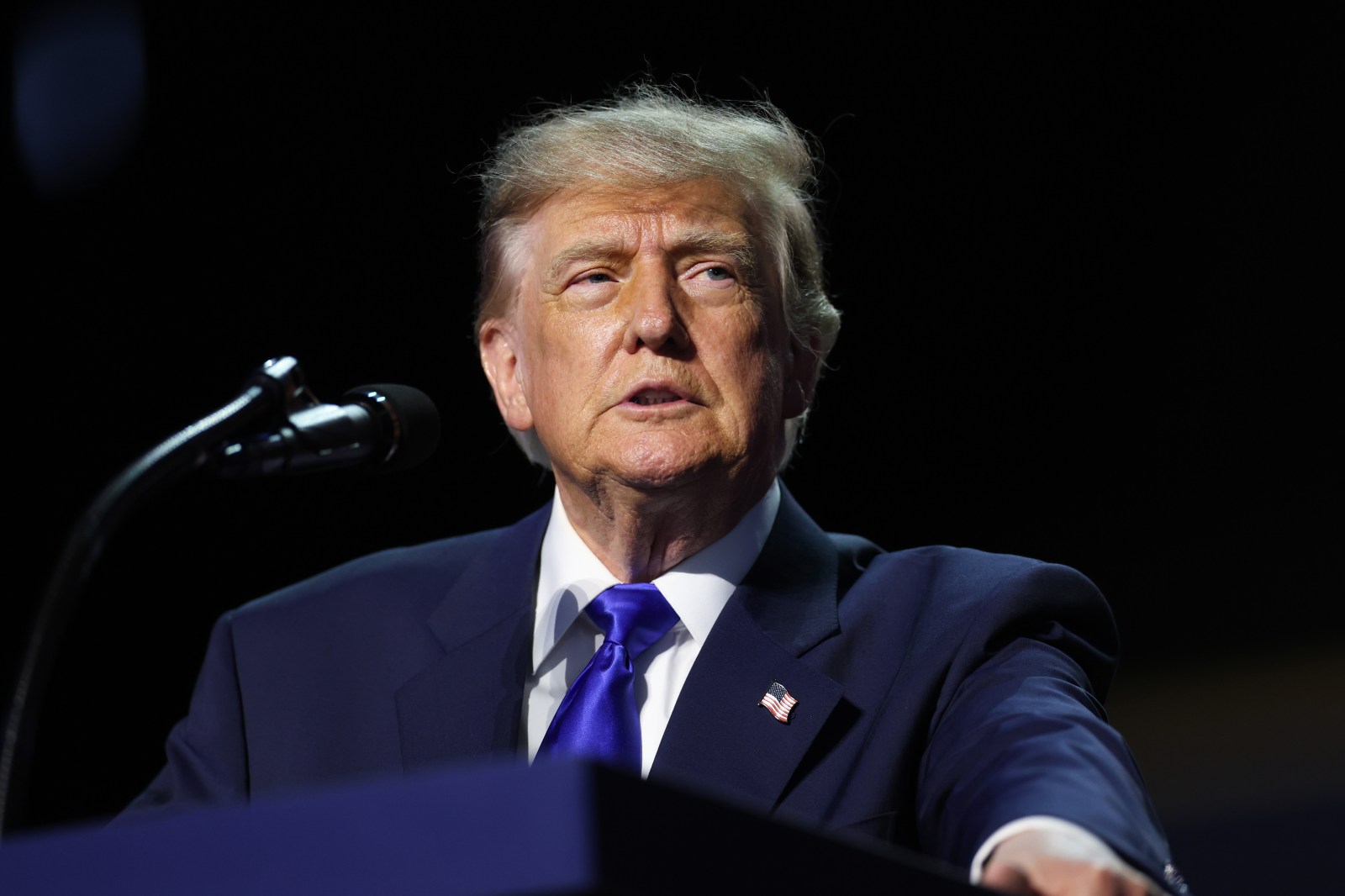
President Donald Trump’s taxpayer-funded advertisements ahead of the midterm elections are causing controversy, even among some Republicans. The White House has released three advertisements spotlighting Trump’s agenda. One ad features Trump critiquing communism as the song “Love Me” by JMSN plays in the background, culminating with UFC CEO Dana White praising Trump. Another ad focuses on Trump’s vow to “demolish the deep state” and drive “warmongers” out of government. A third ad shows Trump speaking at Mount Rushmore, discussing America’s “golden age.”
These advertisements, labeled by the White House as public-service announcements, have led to bipartisan scrutiny. Critics question whether this represents an appropriate use of taxpayer money. The Associated Press reports the expenditure on the first ad alone cost at least $443,000. Just weeks before the midterms, these ads place Trump prominently on televisions across the country, as the elections become a reflection on his administration.
Polls indicate increasing frustration among Americans with Trump, amid economic concerns, the rising cost of living, and surging gas prices. Democrats hope Trump’s declining popularity might assist them in regaining control of Congress.
Republican Reactions to Trump Ads
Several Republicans have criticized the spending on these advertisements. Louisiana Senator John Kennedy stated on CBS News’ Face the Nation, “I don’t think any public official, including President Trump, should spend public money on private ads for themselves.” Kentucky Representative Thomas Massie likened the ads to tactics used in a “banana republic.” North Carolina Senator Thom Tillis called the ads “inappropriate,” suggesting they felt akin to tactics used by autocratic leaders.
Former Representative Justin Amash and other conservatives have also condemned these adverts. Amash expressed on X that they represent “taxpayer-funded propaganda,” and other commentators labeled it a “waste of taxpayer dollars.” Former RNC Chair Michael Steele described the ads as illegal and politically insensitive.
White House Defense
In response to the criticisms, a White House spokesperson defended the ads as educational and patriotic messages aimed at reminding Americans of their national pride. The statement emphasized the importance of understanding what makes America worth defending.
Potential Impact on Midterms
Robert Y. Shapiro, a Columbia University professor, analyzed the ads’ impact, suggesting they might not sway those already unsupportive of Trump. While it might energize some of Trump’s voters, it could also mobilize opposition. Historically, presidents have utilized public-service announcements for public causes, but these ads have drawn criticism for their focus on Trump’s image.
Federal funds for public-service announcements are allowed when they serve a government purpose. However, the advertisements raise questions about whether they blur the lines with propaganda, as critics allege they promote partisan interests.
Trump’s Approval Ratings
Recent polls reflect Trump’s waning approval ratings. An American Research Poll highlighted a low approval rate of 29 percent, with a high disapproval rate. Other surveys also show significant disapproval among voters.
Republican Strategies in Midterms
With Trump’s approval falling, Republicans are adjusting their strategies. Notable figures like Representative Ashley Hinson have pushed for policy changes to address rising fuel costs, citing international conflicts. Meanwhile, Representative Maria Elvira Salazar criticized immigration enforcement policies, advocating for humane solutions.
Representative Byron Donalds has strategically removed references to Trump from his campaign materials, shifting focus to state-specific issues.
As the midterms approach, Trump’s popularity is a critical concern for candidates shaping their campaigns. Economic issues and international matters like the Iran conflict add complexity to election messaging.