
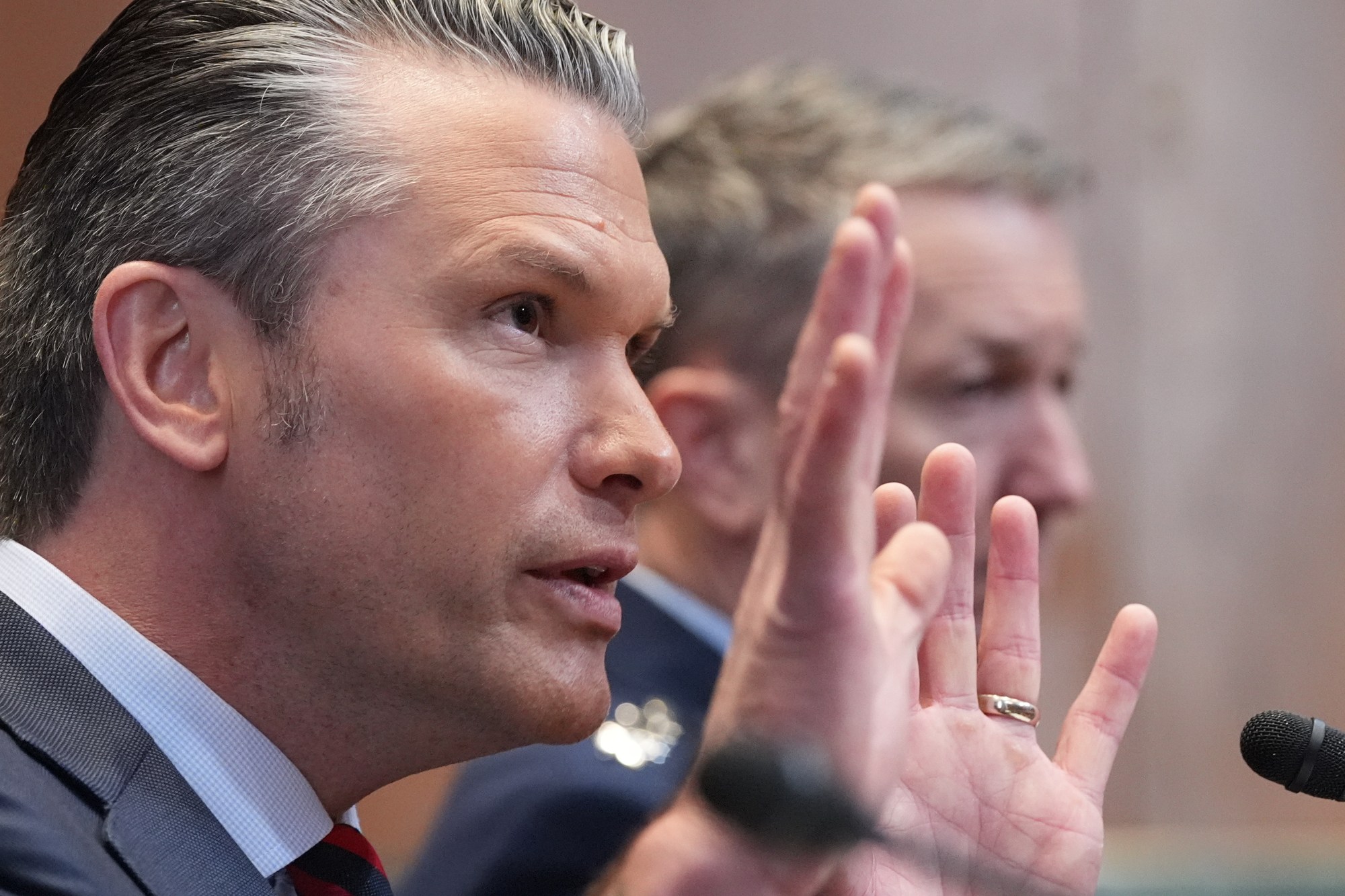
Defense Secretary Pete Hegseth recently addressed a Senate Appropriations subcommittee, stressing the dangers if Congress fails to approve the full $1.5 trillion defense budget. He highlighted potential threats and worst-case scenarios to justify increased spending.
Despite this testimony, arguments suggest that the inflated defense budget could weaken the U.S. By not aligning spending with strategic goals, the budget remains inefficient. Certain outdated systems like the B-1B bomber and the Minuteman III missile, criticized for high costs and vulnerabilities, continue to receive funding.
Moreover, calls to introduce additional unnecessary weapons persist. For example, the Pentagon’s interest in battleships, last used in World War II, and a national missile defense system are seen as potential threats to stability. Critics argue these initiatives could provoke adversaries, leading to more strategic risks.
Advocates for the current budget overlook long-term financial implications, particularly interest from federal borrowing. This misleads the public into believing the increased budget does not impact them directly, sidestepping immediate financial decisions like tax increases or cuts to social services. This approach shifts the financial burden to future generations.
Previous borrowing for conflicts like the Global War on Terror and the Iraq War already added to the national debt. Continuing this path without addressing the defense budget might lead to severe financial choices in the future between social programs, tax increases, or cutting defense.
President Trump’s defense budget might undermine economic strength. Defense spending is considered economically inefficient relative to other federal expenses. While some argue the GDP allocation for defense allows more spending, others believe these funds could address more pressing needs.
Contrary to strengthening the nation, this budget risks economic and national security. To better secure the U.S., there’s a push to reduce the defense budget and overseas commitments, enhancing economic resilience by averting costly conflicts.
Economic strength underpins national security. In conflict scenarios, funds for weapon production and infrastructure for logistics are critical. The government is urged to minimize unnecessary spending and focus on priorities that benefit the citizens.
Benjamin D. Giltner is a defense and foreign policy analyst at the Cato Institute.
Copyright 2026 Nexstar Media Inc. All rights reserved. This material may not be published, broadcast, rewritten, or redistributed.