
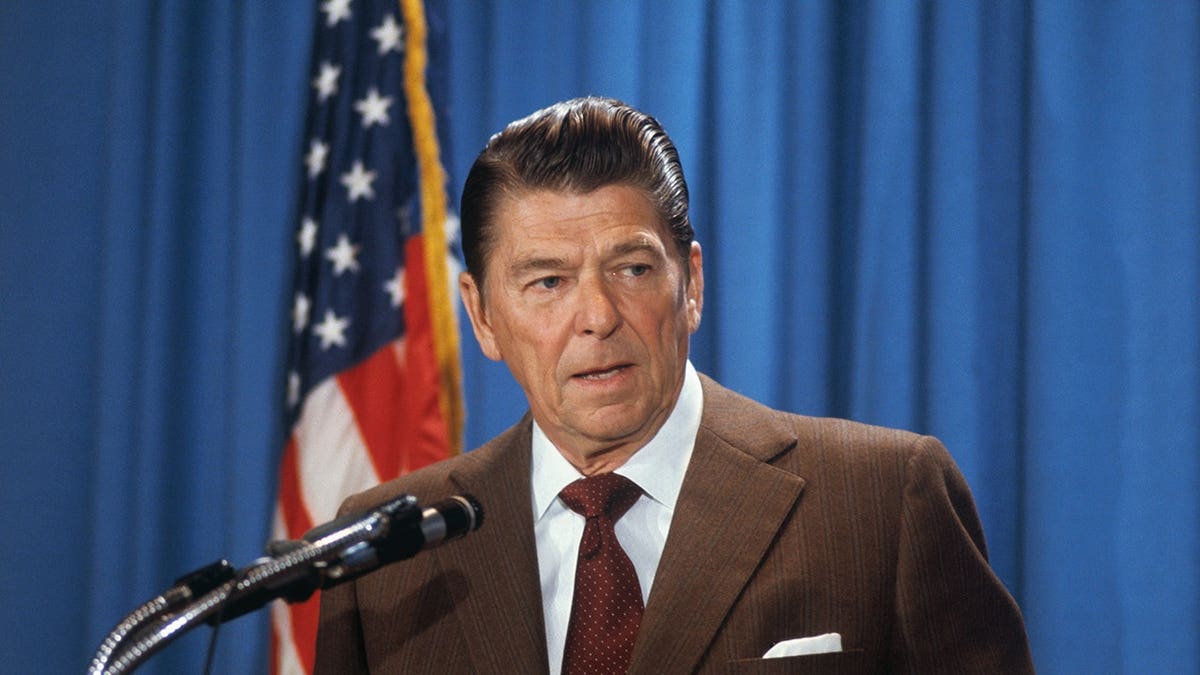
Since the Cuban missile crisis, the U.S. faced a Soviet push for nuclear superiority. This began as the U.S. was engaged in the Vietnam War. When Ronald Reagan defeated President Jimmy Carter, he initiated a historic defense buildup to counter this threat.
Roger Zakheim’s book, “Peace Through Strength: How Reagan’s Military Buildup Won the Cold War,” details this effort. Zakheim, director of the Ronald Reagan Institute, has significant experience from his time at Covington & Burling LLP and as general counsel for the House Armed Services Committee.
Zakheim explores Reagan’s journey to restore America’s military power after Gerald Ford’s 1976 defeat. The book revisits this more-than-a-decade-long effort and how it contributed to Reagan’s rise to presidency and subsequent two-term administration.
Zakheim reviews the network behind “peace through strength,” including names like Richard Allen and William Van Cleave. Reagan aimed to win the Cold War by funding a comprehensive arsenal that deterred hostilities.
Reagan’s defense buildup was notably complex and costly. He was supported by Secretary of Defense Caspar “Cap” Weinberger, his deputy Frank Carlucci, and influential senators like John Tower and Sam Nunn. Despite setbacks like the MX missile issue, successes included the deployment of Pershing II missiles and the Strategic Defense Initiative.
The arsenal developed under Reagan had limitations. Congress can mandate certain military capacities but can’t extend their operational lifespan indefinitely. Continuous updates and investments in defense are essential. As of 1981, the national debt was under $1 trillion; today, it’s over $40 trillion.
President Trump began renewing defense infrastructure, but its future is uncertain with new Democratic majorities who favor social spending over defense. Modern threats, particularly from Russia and China, make continued support crucial.
Zakheim’s book arrives amidst congressional discussions on Pentagon funding. “Peace Through Strength” serves as a reminder to Republicans, encouraging them to emulate Reagan’s commitment to defense.
Upcoming presidential candidates should consider Zakheim’s insights, recognizing the importance of strong defense in their campaigns. This historical understanding could shape future American policies effectively.
Hugh Hewitt, a noted broadcaster and legal professor, previews Zakheim’s arguments in his column and radio program. Hewitt has extensive experience in media and thoroughly discusses national security and political issues.