
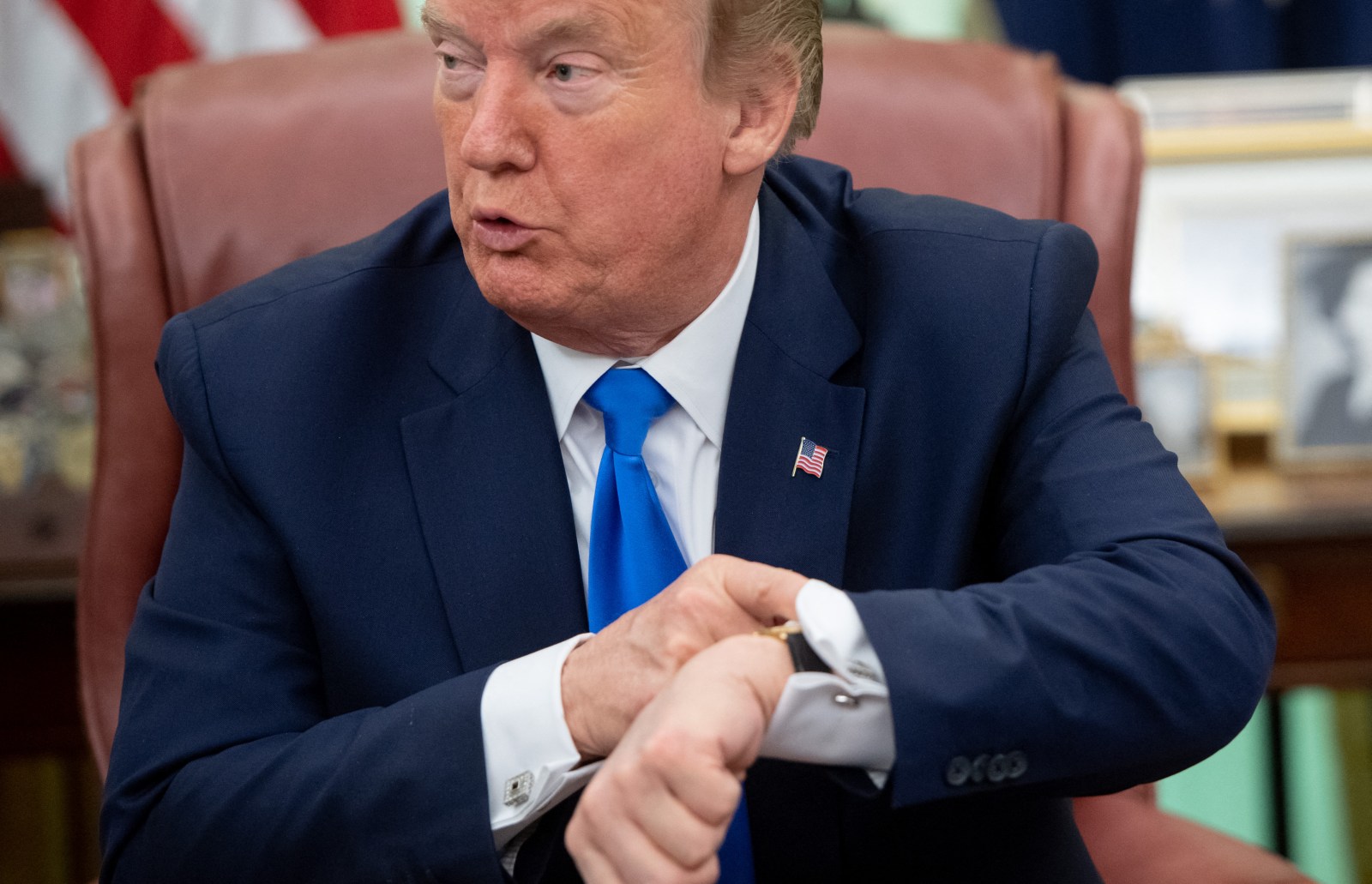
As the U.S. approaches the traditional fallback of clocks in November, President Donald Trump’s efforts to make Daylight Saving Time (DST) permanent has renewed the debate. Americans typically set their clocks back one hour on November 1, marking a return to Standard Time. Trump’s recent advocacy for making DST permanent aims to eliminate the biannual clock changes, reigniting a long-stalled legislative discussion on Capitol Hill.
Current Legislative Efforts
Efforts to end seasonal clock changes are not new. The Sunshine Protection Act, which would implement permanent DST, successfully passed the Senate in 2022 but failed to receive a House vote. Despite bipartisan interest, nationwide changes face legislative hurdles.
Trump’s Position on Daylight Saving Time
President Trump has urged lawmakers to consider legislation for adopting DST permanently. Supporters claim that extended daylight aids businesses and promotes recreation. Critics warn of adverse effects related to darker mornings, which could impact sleep and safety.
Earlier this year, Trump expressed his support via a Truth Social post, labeling the clock shift a “VERY COSTLY EVENT” and advocating for “more Daylight at the end of a day.” His push aims to refocus national dialogue on this issue as Americans prepare for another time adjustment.
Upcoming Time Change
The expected clock change on November 1 remains on schedule unless Congress acts swiftly to change the law. Any approved measure to establish permanent DST would involve extensive planning and a future start date, rather than immediate enforcement.
As per the current system, sunrise times on the winter solstice are 6:55 a.m. in LA, 7:15 a.m. in Chicago, and 7:17 a.m. in NYC. If DST becomes permanent, opponents point out these times would move to around 7:55 a.m., potentially affecting school and work commutes.
Legislative Outlook
Despite the renewed focus from the White House, prediction market traders remain unconvinced. On platforms like Kalshi, the likelihood that Congress will pass DST legislation before January 1, 2027, is viewed skeptically with a mere 15 percent chance.
Future contracts offer more optimism, yet the consensus remains this change is uncertain. Although prediction markets cannot dictate policy, they gauge the perceived likelihood of potential shifts.
Public Opinion on Daylight Saving Time
Public sentiment seems more favorable towards ditching the clock changes. A YouGov survey in February revealed that 64 percent of Americans support ending the twice-a-year adjustment, while 43 percent prefer permanent DST over 28 percent favoring permanent Standard Time.
Majorities across political affiliations support ending clock adjustments, indicating strong public desire for reform.
Expert Perspectives
Despite public support, experts remain split. Proponents of permanent DST emphasize economic benefits and longer evening daylight. Yet many sleep researchers suggest permanent Standard Time offers health advantages by aligning better with natural circadian rhythms and providing more winter morning sunlight.
Historical precedents indicate challenges with permanent DST. A similar 1974 measure was repealed due to dissatisfaction with early morning darkness, affecting safety and daily routines.