
Prosecutors may have found valuable insights from Patrick Clancy’s testimony in the case against Lindsay Clancy, who is accused of killing their three children. A legal expert suggests Patrick’s account provides clear evidence of Lindsay’s state of mind.
Testimony Details
During his testimony in Plymouth Superior Court, Patrick described his movements on January 24, 2023, the night of the murders. He left the family’s home in Duxbury, Massachusetts, for errands including a trip to CVS for a child’s medication and to pick up dinner.
At CVS, Patrick received a call from Lindsay. She calmly discussed a generic substitute for the medication. Upon returning home, he found silence, blood in the bedroom, and Lindsay injured below an open window.
Evidence from the Scene
Lindsay had deep cuts on her wrists and a red line on her neck. Patrick testified that she admitted to attempting suicide. When he asked about the children, she mentioned they were in the basement but did not indicate any harm or danger to them.
Prosecution’s Argument
Attorney Shari Karney noted that mundane details like text messages and phone calls are crucial for the prosecution. They aim to prove Lindsay consciously understood her actions during the killings.
Karney indicated that Patrick’s testimony painted Lindsay as organized before the tragic incident. This supports the prosecution’s narrative of a calculated crime.
Defense’s Strategy
Lindsay’s defense is expected to argue that her ability to perform routine tasks does not imply criminal responsibility. They claim she suffered from postpartum psychosis and medication effects.
Testimony from Patrick also highlighted Lindsay claiming she heard a voice urging her to act, indicating potential mental illness issues.
Courtroom Reactions
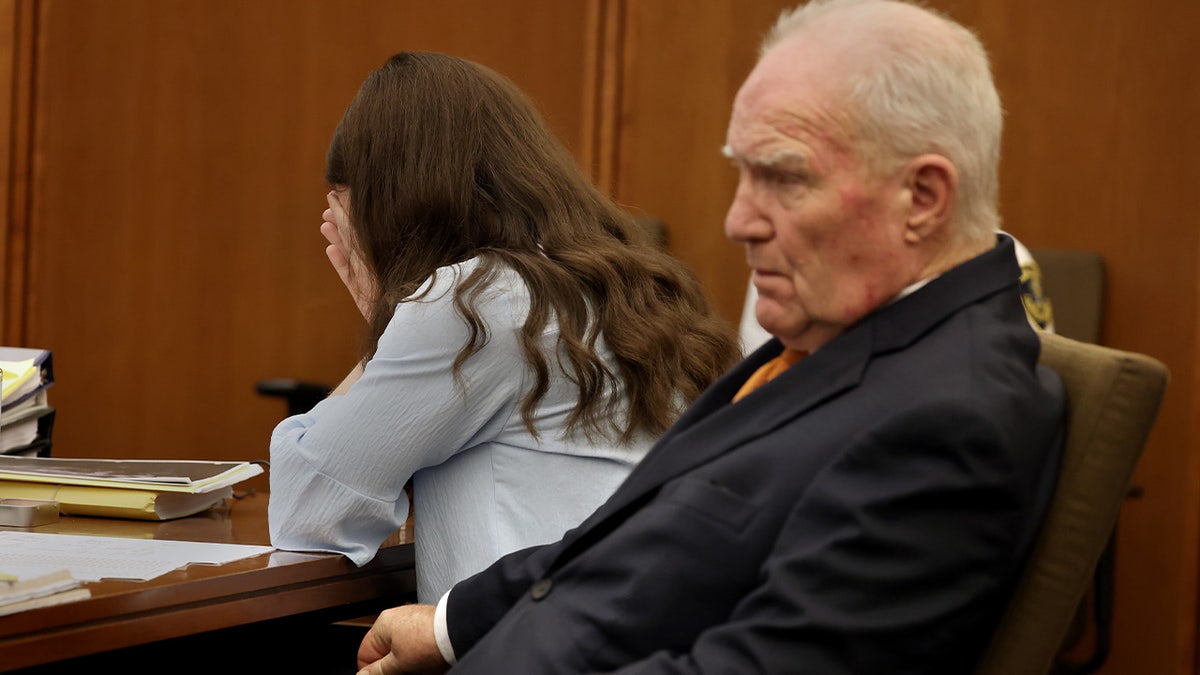
Emotional moments were evident as Patrick’s 911 call played for the jury. Lindsay sobbed during the recording, which was not broadcast or reproduced due to a court order.
Karney said Lindsay’s emotional response could be interpreted differently by both sides. It may portray her as a grieving mother or underscore the horror of her actions.
Judge William Sullivan instructed jurors to avoid letting emotions influence their decision, emphasizing the importance of impartiality.
The Trial’s Focus
Lindsay faces charges of murder and strangulation. The case focuses on whether jurors perceive the events as deliberate acts or as driven by severe mental illness.