
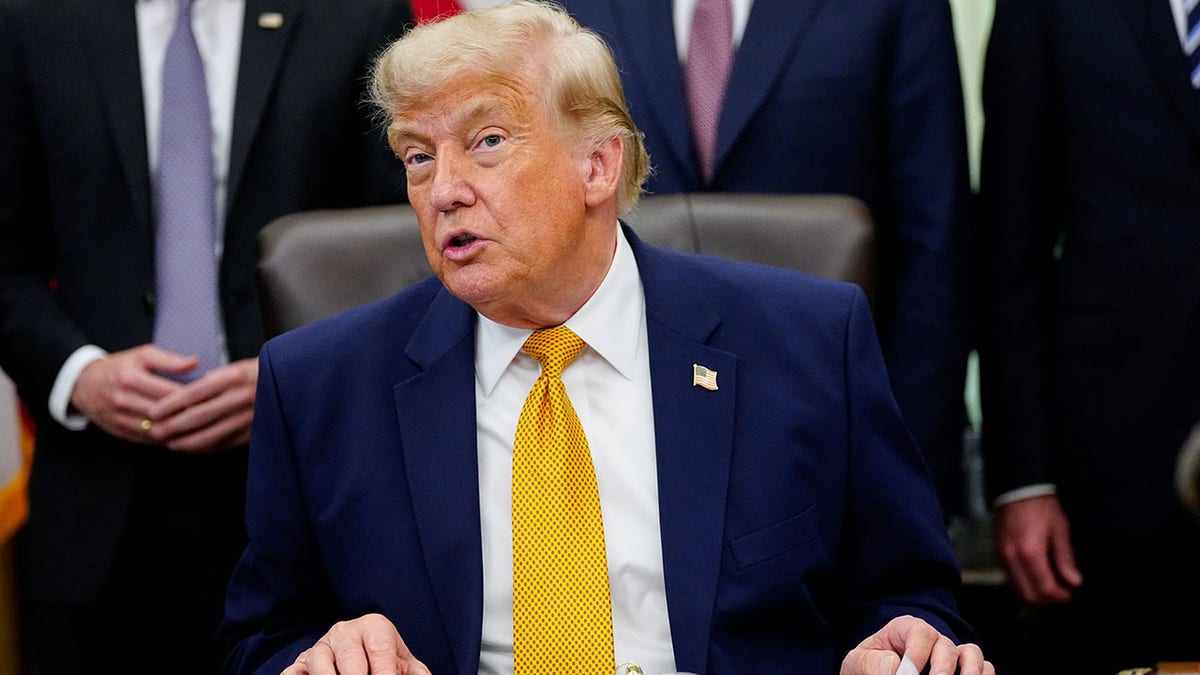
President Donald Trump has achieved a significant legislative success with the approval of a broad housing bill by Congress. This bill aims to increase the supply of homes in the nation and reduce housing costs. The legislation passed with a bipartisan vote in the House on Tuesday, with 358 in favor and 32 opposed. Opposition came entirely from Republicans, while every present Democrat voted for the package.
The 21st Century ROAD to Housing Act is one of the major housing bills cleared by Congress in recent decades. A notable aspect of this bill is Trump’s proposal to prevent large institutional investors from purchasing single-family homes. This measure is intended to aid individual buyers in competing with private equity firms.
Other provisions in the bill include streamlining federal environmental reviews for housing, easing regulations for factory-built homes, and encouraging local governments to reform zoning laws for increased homebuilding. The legislation comprises over 45 provisions. Additional sections allocate grants to municipalities known for constructing new homes and establish a pilot program for redeveloping vacant properties.
The package focuses on a simple idea: building more homes, which means lower costs and more expanded opportunities for all Americans,” Rep. Mike Haridopolos, R-Fla., said Tuesday.
President Trump is expected to sign the measure into law soon.
This legislative progress comes amid rising home prices, with the median nationwide price reaching over $400,000 and rent climbing above $1,760. These represent respective increases of 34.4% and 17.9% since 2019, according to Realtor.com.
House Speaker Mike Johnson, R-La., brought the measure to the floor through a fast-track procedure requiring a two-thirds majority for passage. More Democrats supported the bill than Republicans in the end.
Some conservative Republicans voted against the bill due to the absence of the SAVE America Act in the package. This legislation proposes voter identification requirements, mail-in voting restrictions, and bars men from women’s sports, among other elements. It hasn’t cleared the Senate’s legislative filibuster and lacks a vote in the House.
The Senate cannot keep obstructing President Trump’s agenda while ignoring election integrity,” Rep. Anna Paulina Luna, R-Fla., wrote on social media.
Additionally, conservatives have pushed for the SAVE America Act to be linked with reauthorizing Section 702 of the Foreign Intelligence Surveillance Act, though this faces internal disagreement.
Some Republicans opposed the Trump-backed measure as it includes provisions from progressive Democrats.
The Housing bill is full of big government garbage & spending,” Rep. Chip Roy, R-Texas, expressed on social media.
Debates took months between the House and Senate to finalize the bill, especially concerning restrictions on private equity investors and a temporary ban on central bank digital currencies. The chambers agreed to restrict large investors owning over 350 single-family homes from purchasing more. Exceptions are provided for rental properties, but investors exceeding this threshold are not mandated to sell current holdings.
Critics claim large investors aren’t causing supply constraints, as they own less than 1% of the housing stock, according to Parcl Labs. However, their ownership in single-family rental properties is slightly higher, ranging from 1% to 3%. Their presence is notably high in specific rental markets, such as Jacksonville, Fla., with 22% and Phoenix with 13%, according to a March Government Accountability Office report.
The passage of the housing bill arrives as Republicans face electoral challenges from voters dissatisfied with the economy and cost of living. This bill offers Republicans a tangible step toward addressing housing affordability, an important voter concern in the upcoming midterm elections.
Currently, only 31% of voters approve of Trump’s economic handling, according to a Fox News poll released last week. This marks a 2-point improvement from an all-time low of 29% in May.